
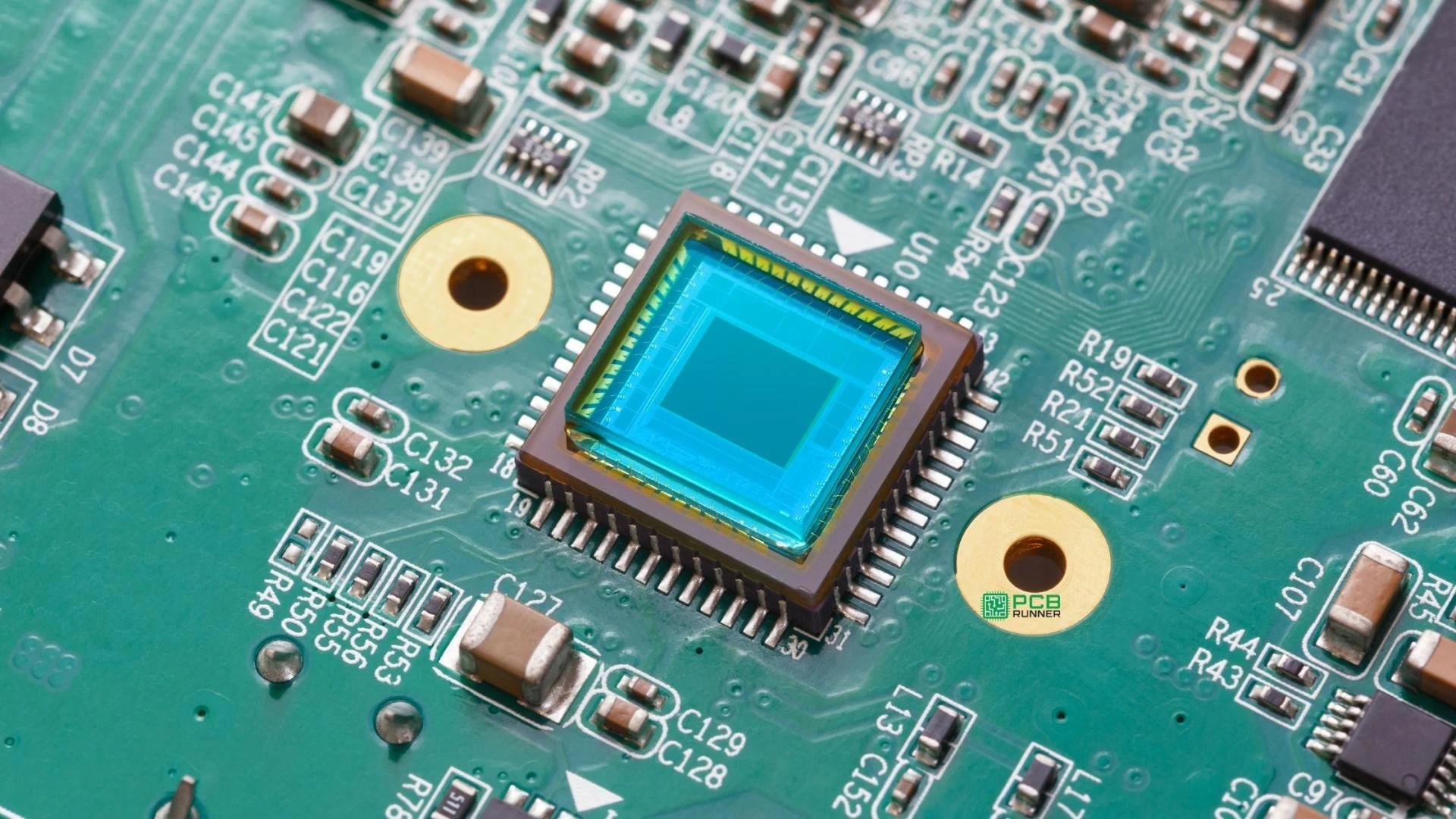
In the world of printed circuit boards (PCBs), design innovations continue to evolve, ensuring better functionality, reliability, and adaptability in electronic devices. One such innovation that has gained increasing importance is castellated holes, often referred to as castellated edges PCB. These are small plated-through holes placed on the edge of a PCB, forming semi-circular cutouts that look like the battlements of a castle—hence the name “castellated.”
This design feature is not just for aesthetics. It serves critical functions in electronics manufacturing, helping engineers create modular, compact, and high-performance boards. In this blog, we’ll explore what castellated holes are, their benefits, applications, and why they matter so much in today’s electronics industry.
Understanding Castellated Holes in PCBs
Castellated holes are essentially half-plated vias drilled along the edge of a PCB and then cut during the routing process. This leaves behind semi-circular metalized holes on the side of the board.
When these holes are aligned correctly, they allow the castellated circuit board to be soldered onto another PCB, much like how surface-mounted components are attached. This technique is often compared to “PCB modules with plug-and-play functionality,” making it extremely useful for compact designs.
Why Castellated Edges Matter in PCB Design
The importance of castellated holes in PCB design comes down to efficiency, functionality, and adaptability. Here’s why:
- They allow easy integration of smaller boards into larger systems.
- They make it possible to treat a PCB module as a surface-mount component.
- They improve soldering accuracy and mechanical strength.
- They enable quick testing and replacement of faulty modules.
In essence, castellated edges PCB provides a balance of flexibility and reliability that modern electronics demand.
Key Benefits of Castellated Holes
Here are some of the main advantages that come with using castellated holes:
- Seamless Integration – Smaller PCBs can be directly soldered onto motherboards or larger assemblies.
- Compact Designs – Ideal for devices that require space-saving solutions without sacrificing performance.
- Easy Prototyping – Engineers can test and replace modules quickly during the development phase.
- Reliable Electrical Connections – The plated edges ensure solid electrical and mechanical connections.
- Improved Manufacturing Flexibility – Suitable for automation processes in high-volume production.
- Reusability – Faulty modules can be desoldered and replaced without affecting the entire system.
Common Applications of Castellated Holes
Castellated holes find widespread use across industries because they make modular PCBs practical. Some applications include:
- Wireless Communication Modules – Such as Wi-Fi, Bluetooth, or GPS modules soldered onto a mainboard.
- Power Management Systems – For integrating power supply modules into larger circuits.
- Sensor Boards – Compact sensors with castellated edges are easy to mount and replace.
- IoT Devices – Modular connectivity boards are often designed with castellated edges.
- RF and Microwave Boards – To ensure accurate and reliable electrical connections in sensitive applications.
- Custom Embedded Systems – For quick prototyping and efficient design scaling.
How Castellated Holes Improve Assembly and Testing
Castellated holes aren’t just about connection—they also simplify assembly and testing. Here’s how:
- Efficient Assembly: A castellated circuit board can be mounted just like an SMD component, reducing manual labour.
- Quality Control: They make it easier to test modular components before integrating them into the final design.
- Repair and Maintenance: If a module malfunctions, it can be removed and replaced without discarding the entire board.
- Scalability: Ideal for manufacturers who need to scale up production quickly with standardized modules.
Challenges to Consider
While castellated edges PCB designs offer many benefits, they do come with challenges that designers and manufacturers must consider:
- Manufacturing Precision – Requires accurate drilling and routing to ensure reliable edges.
- Cost Considerations – Can be slightly more expensive due to additional steps in production.
- Design Complexity – Requires careful planning to align modules correctly with the host PCB.
- Soldering Expertise – Poor soldering can lead to weak mechanical or electrical connections.
These challenges highlight the need for working with skilled manufacturers who understand the nuances of castellated hole design.
Best Practices for Designing Castellated Holes
To get the most out of castellated holes, engineers should keep in mind the following guidelines:
- Ensure the hole size and pitch are consistent for smooth soldering.
- Use proper plating techniques for stronger connections.
- Maintain accurate alignment with the mainboard pads.
- Consider the thermal properties of soldering for durability.
- Test modules individually before integration.
By following these practices, designers can enhance reliability and performance while minimizing risks.
Why They’re Important for Modern Electronics
In today’s fast-evolving electronics landscape, modularity and scalability are vital. Devices are becoming smaller, yet more powerful and interconnected. Castellated edges PCB technology directly supports this demand by allowing engineers to build modular boards that integrate seamlessly into larger systems.
This design approach not only accelerates product development but also provides flexibility for upgrades and replacements—an essential feature in industries like IoT, telecommunications, and embedded systems.
Partnering with Experts
For businesses seeking precision and reliability in PCB design, working with an experienced manufacturer makes all the difference. Companies like PCB Runner understand the importance of advanced techniques such as castellated holes and deliver solutions that meet the highest industry standards.
Conclusion
Castellated holes have transformed how engineers design and assemble PCBs. They make modular boards practical, compact, and reliable—enabling faster innovation and better performance. Whether used in wireless modules, sensors, or embedded systems, the role of castellated circuit board design cannot be overstated.
By integrating castellated edges PCB into modern electronics, engineers gain flexibility, efficiency, and long-term scalability. This small yet powerful feature continues to shape the future of electronics design, making it an indispensable part of the PCB industry.