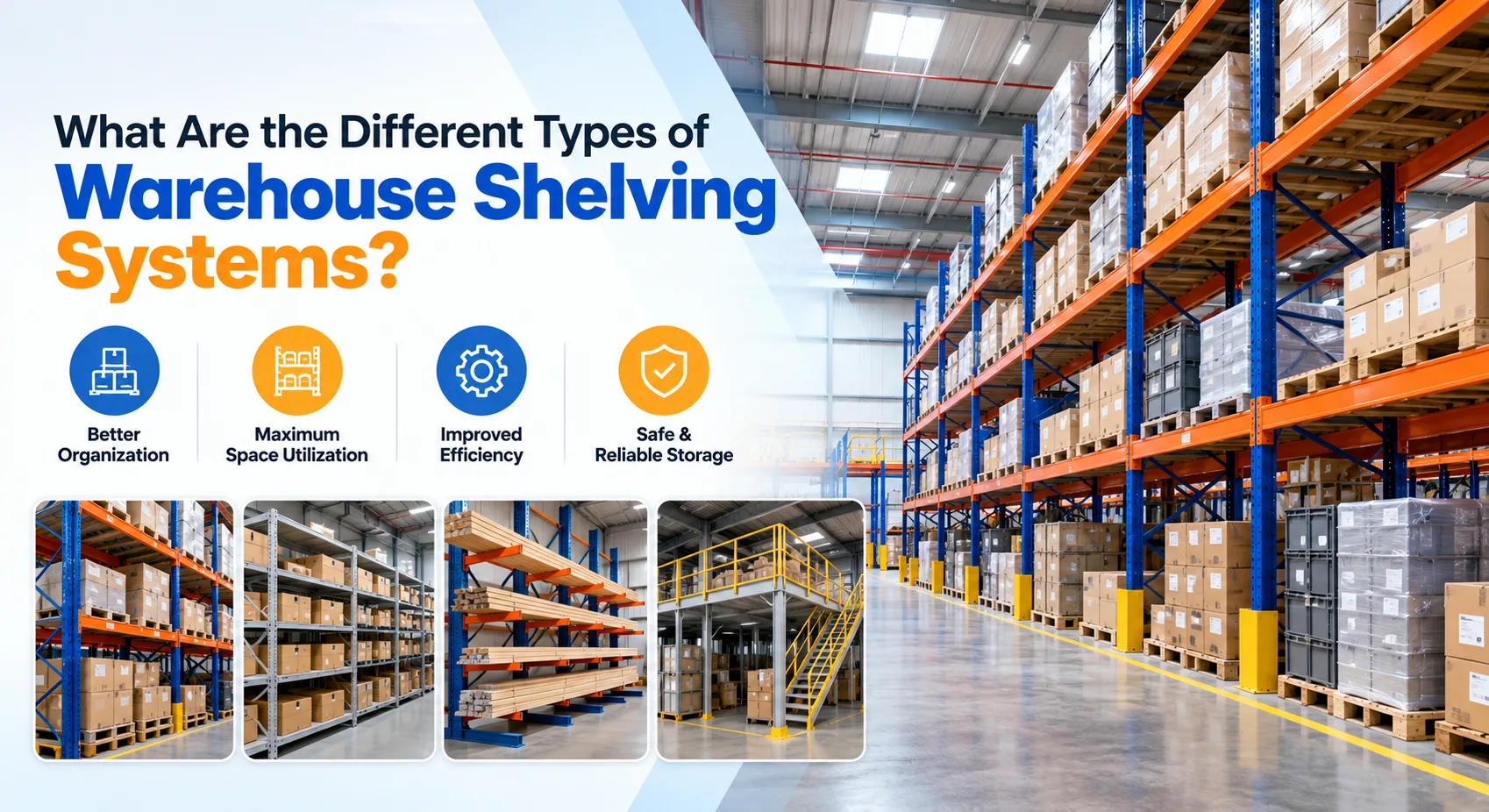
Efficient storage is essential for businesses that handle large quantities of products, raw materials, spare parts, or packaged goods. A well-organised warehouse helps employees locate items quickly, use available space effectively, and manage inventory with fewer errors. Choosing the right shelving system also improves workplace safety and supports smoother daily operations. Since warehouses differ in size, product types, and storage requirements, understanding the available shelving options is an important step towards creating a practical and reliable storage environment.
Businesses researching warehouse shelving in sharjah should consider factors such as available floor space, product weight, stock movement, and accessibility before selecting a suitable system. The right solution can help reduce clutter, improve inventory organisation, and make better use of vertical storage space. Evaluating these requirements early can also prevent unnecessary equipment costs and future layout changes.
What Is a Warehouse Shelving System?
A warehouse shelving system is a storage structure designed to organise products and materials systematically. It generally consists of shelves, frames, supports, and other components selected according to the type of goods being stored. Unlike general-purpose cupboards, industrial shelving is designed to support regular warehouse activities and accommodate different storage loads.
These systems are commonly used in distribution centres, retail stockrooms, manufacturing facilities, workshops, and spare-parts storage areas. Depending on the design, employees may access products manually or use material-handling equipment to move items between storage locations.
1. Boltless Shelving Systems
Boltless shelving is a popular choice for businesses that need flexible storage and straightforward assembly. Its components generally fit together through an interlocking design, reducing the need for conventional nuts and bolts during installation.
This system is suitable for cartons, tools, small components, documents, and lightweight to medium-weight products, depending on the manufacturer's specifications. Adjustable shelf levels allow businesses to accommodate items of different heights without replacing the entire structure.
Boltless shelving works particularly well in workshops, maintenance rooms, and smaller stockrooms. Before purchasing, businesses should check the load capacity of each shelf and the complete unit to ensure safe use.
2. Long-Span Shelving
Long-span shelving is designed to store larger or bulkier items that require wider shelf sections. It usually features strong horizontal beams and supporting frames, providing accessible storage for products that do not fit comfortably on standard shelves.
Businesses may use this system for spare parts, packaged goods, equipment, and medium-sized cartons. Its open design makes it easier for employees to identify products and retrieve items without complicated handling procedures.
Long-span shelving can also help create organised picking areas where employees need frequent access to individual products. The appropriate shelf dimensions and load ratings should be selected according to the size, weight, and distribution of stored materials.
3. Heavy-Duty Industrial Shelving
Heavy-duty shelving is designed for demanding storage environments where products have greater weight or require stronger structural support. It may be used for industrial components, machinery parts, tools, and other substantial items.
The system's suitability depends on its construction, shelf configuration, and rated capacity. Businesses should never assume that every heavy-duty unit can support the same load. Manufacturer specifications must be checked carefully, particularly when storing dense materials.
Correct installation, stable flooring, and proper load distribution are essential for safe operation. Regular inspections can help identify damaged frames, loose connections, or overloaded shelves before these problems become serious.
4. Mobile Shelving Systems
Mobile shelving uses movable storage units that travel along designated tracks or an engineered movement system. Instead of maintaining permanent access aisles between every unit, the design allows an aisle to open when required.
This arrangement can increase storage density where floor space is limited. It may be suitable for archives, specialised inventory rooms, and facilities storing products that do not need constant simultaneous access.
However, mobile systems generally require more planning and investment than basic shelving. Businesses must consider access frequency, floor suitability, operating procedures, and safety features before choosing this option.
5. Picking Shelving for Order Fulfilment
Picking shelving supports operations where employees regularly collect individual products to complete customer orders. It is commonly used in e-commerce warehouses, retail distribution centres, and spare-parts facilities.
Clearly labelled shelf locations can improve picking accuracy and reduce the time spent searching for items. Organising fast-moving products in convenient positions may also shorten walking distances during order preparation.
Businesses should plan shelf heights, aisle widths, and picking routes around their employees' workflow. Heavy items should be stored at appropriate levels, and any bins or containers should remain stable during product retrieval.
How to Choose the Right Warehouse Shelving System
Selecting suitable shelving begins with an assessment of the products and the warehouse layout. Businesses should measure the available floor area, ceiling height, aisle requirements, and access points before deciding on shelf dimensions.
Product weight, packaging, turnover rate, and handling methods are equally important. Frequently accessed items may benefit from easily reachable shelves, while slower-moving inventory can be placed in less accessible locations if safe operating procedures permit.
It is also important to consider future business growth. A modular system that allows additional sections or adjustable shelf levels may offer greater flexibility as stock volumes change. Compare the total cost of installation, maintenance, and expansion rather than focusing only on the initial purchase price.
Warehouse Shelving Safety and Maintenance
Safe storage depends on more than choosing a strong shelving structure. Every unit should be installed according to the manufacturer's instructions and used within its specified load limits.
Employees should distribute weight evenly, avoid climbing on shelves, and keep aisles clear. Damaged components, unstable frames, or signs of overloading should be reported promptly. Where required, suitable anchoring and professional inspections should form part of the warehouse safety plan.
Clear labels and organised inventory records also help employees handle products correctly and reduce unnecessary movement around the storage area.
Also Read :- How Does Slotted Angle Shelving Improve Storage Efficiency?
Conclusion
Choosing the right shelving system can improve warehouse organisation, maximise usable space, and support efficient inventory management. Boltless, long-span, heavy-duty, mobile, and picking shelving systems each offer different advantages depending on the products stored and the way employees access them. Careful planning, correct load calculations, and regular maintenance are essential for long-term performance. Businesses exploring suitable industrial storage solutions can consider Stormat Systems when evaluating shelving options that match their operational requirements and future storage needs.