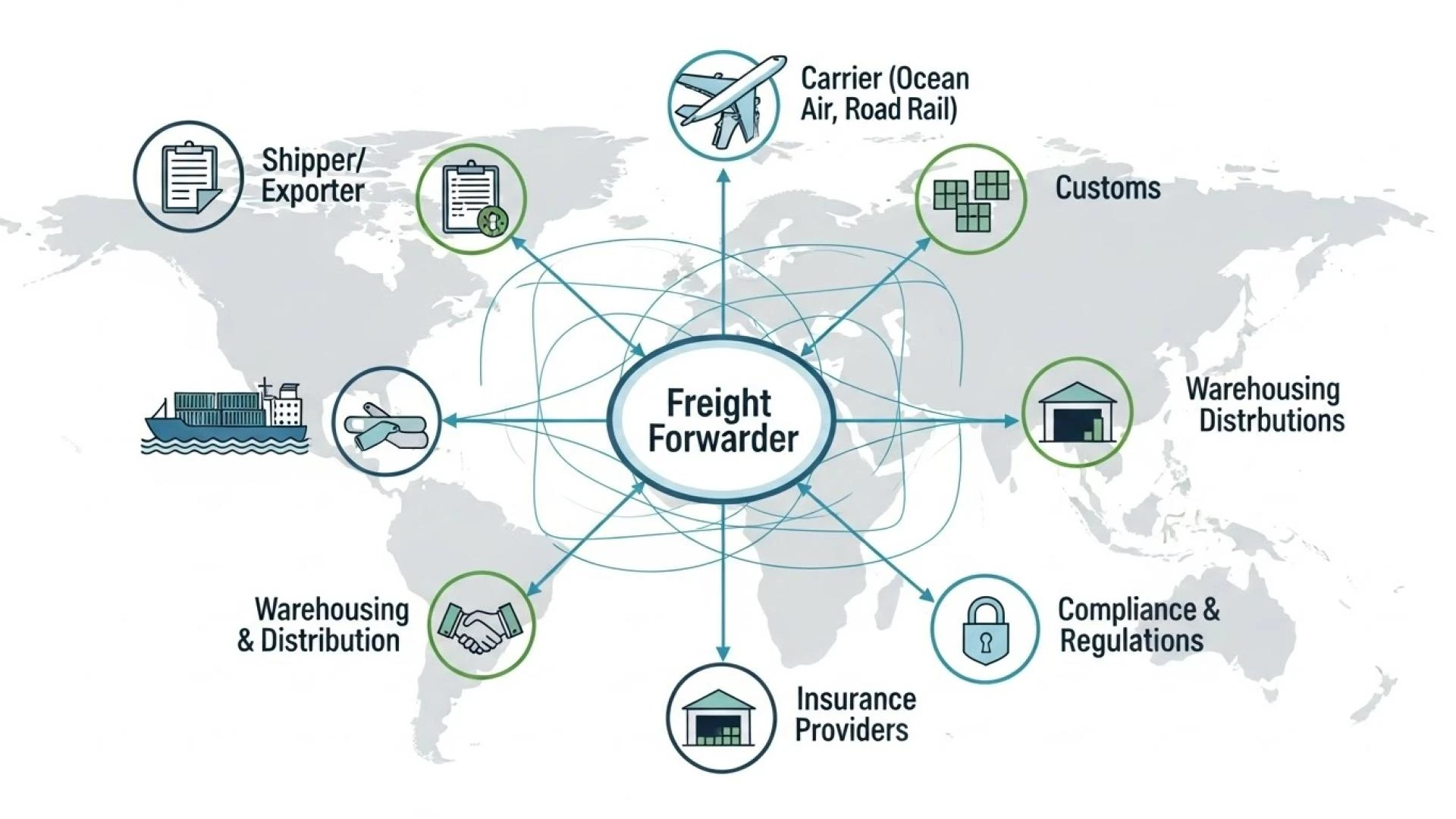
In today’s interconnected global economy, supply chains depend on efficient coordination between multiple parties. One of the most important players in this system is the freight forwarder. Acting as a logistics coordinator, a freight forwarder ensures goods move smoothly from origin to destination while meeting regulatory, cost, and time requirements. Their role goes beyond transportation, covering planning, compliance, and risk management across the entire supply chain.
Coordinating End-to-End Transportation
A key responsibility of a freight forwarder is managing the end-to-end movement of goods. This includes selecting appropriate transport modes, scheduling shipments, and coordinating with carriers.
By analyzing shipment requirements, delivery timelines, and budget constraints, freight forwarders design efficient transportation plans. Their coordination ensures goods move seamlessly between suppliers, ports, warehouses, and final destinations without unnecessary delays or disruptions.
Managing Multiple Transport Modes
Modern supply chains often rely on multimodal transportation. Freight forwarders manage the integration of road, rail, air, and sea freight services to ensure efficient cargo flow.
They decide when to use each mode based on cost, urgency, and cargo type. This strategic decision-making helps businesses balance speed and cost while maintaining supply chain reliability across domestic and international routes.
Handling Shipping Documentation
Accurate documentation is critical in global logistics. Freight forwarders prepare and manage essential shipping documents such as commercial invoices, packing lists, bills of lading, and certificates.
Proper documentation prevents customs delays, penalties, and shipment holds. By ensuring compliance with international trade regulations, freight forwarders protect businesses from costly errors and keep supply chains moving efficiently.
Customs Clearance and Regulatory Compliance
Customs procedures can be complex and vary by country. Freight forwarders play a vital role in ensuring shipments comply with import and export regulations.
They handle customs filings, duty calculations, and communication with customs authorities. Their expertise reduces the risk of inspections, fines, and clearance delays, which can disrupt supply chain schedules and increase costs.
Cost Optimization Across the Supply Chain
One of the most valuable roles of a freight forwarder is helping businesses control logistics costs. Through route optimization, shipment consolidation, and negotiated carrier rates, they reduce overall transportation expenses.
They also help avoid hidden costs such as demurrage, detention, and storage fees by ensuring timely cargo movement. This cost-focused approach improves supply chain profitability and efficiency.
Warehousing and Inventory Coordination
Freight forwarders often coordinate warehousing and storage as part of the supply chain. They align transportation schedules with warehouse availability to minimize storage time.
By reducing inventory holding periods and improving cargo flow, businesses can lower warehousing costs and maintain better inventory control. This coordination supports just-in-time delivery strategies and improves supply chain responsiveness.
Risk Management and Cargo Protection
Supply chains face risks such as cargo damage, loss, delays, and disruptions. Freight forwarders help manage these risks by advising on packaging, handling procedures, and cargo insurance.
Their proactive approach reduces the likelihood of financial losses and ensures business continuity. Effective risk management is essential for maintaining trust with customers and partners.
Supply Chain Visibility and Communication
Clear communication and visibility are essential for efficient supply chain operations. Freight forwarders provide shipment tracking and regular status updates.
This visibility allows businesses to plan production, manage inventory, and respond quickly to potential issues. Improved communication reduces uncertainty and strengthens coordination between supply chain partners.
Supporting Global Trade Expansion
For businesses entering new international markets, freight forwarders play a strategic advisory role. They provide insights into trade regulations, transit routes, and logistics requirements.
Their global network and experience help companies expand operations confidently while avoiding common trade and compliance challenges. This support enables smoother market entry and long-term growth.
Technology-Driven Logistics Management
Many freight forwarders use advanced logistics systems to manage shipments, documentation, and tracking. Technology improves accuracy, efficiency, and decision-making across the supply chain.
Data-driven insights help identify inefficiencies, optimize routes, and improve delivery performance. Technology integration strengthens supply chain resilience and scalability.
Conclusion
The role of a freight forwarder in the supply chain is both operational and strategic. From transportation coordination and documentation to cost optimization and risk management, they ensure goods move efficiently across global networks. Businesses that partner with experienced logistics providers gain better control, visibility, and reliability in their supply chains. Working with a trusted company like Bismillah Logistics helps ensure smooth operations, compliance, and long-term supply chain success.