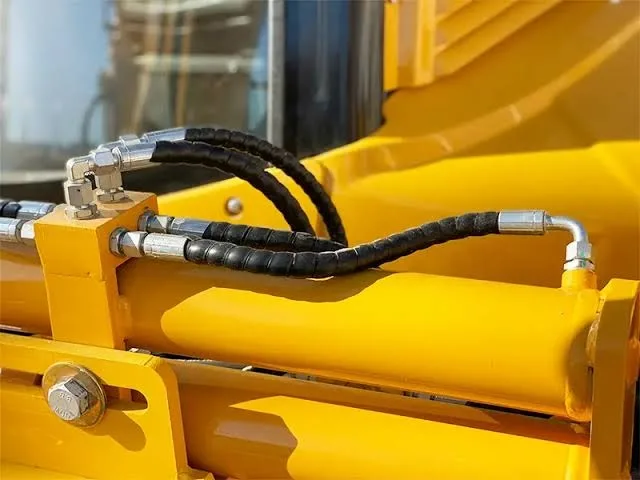
Hydraulic hoses are used in many types of machines and industrial equipment. They carry hydraulic fluid between different components and allow the system to transfer pressure properly.
Since these hoses work under high pressure, choosing the right manufacturer is important. A poor quality hose can leak, burst, or fail during operation. This can affect the machine and may also create safety problems.
Therefore, you must check the certifications of a hydraulic hose manufacturer before purchasing its products. These certifications can give you an idea about the manufacturing standards, product quality, and testing procedures followed by the company.
What Certifications Should You Check When Choosing a Hydraulic Hose Manufacturer?
ISO 9001 Certification
ISO 9001 is one of the common certifications you may find with hydraulic hose manufacturers. It is related to quality management systems.
A manufacturer with ISO 9001 certification follows a defined quality management process for its operations. This includes areas such as production, inspection, documentation, and customer requirements.
However, ISO 9001 does not mean that every hose produced by the company is suitable for your application. You must still check the specifications and ratings of the particular hose.
Therefore, check whether the hydraulic hose manufacturer has a valid ISO 9001 certification and whether it applies to the relevant manufacturing facility.
SAE Standards
SAE standards are important for hydraulic hoses because they specify requirements for different types of hoses.
For example, SAE standards cover factors such as pressure rating, dimensions, construction, and performance requirements. Different hose types can have different SAE specifications depending on their application.
Therefore, you must check the SAE standard followed by the hose manufacturer and compare it with your system requirements.
For instance, if your hydraulic system requires a hose manufactured according to a particular SAE specification, the manufacturer should be able to provide documentation showing compliance.
ISO Hydraulic Hose Standards
Apart from ISO 9001, there are ISO standards that specifically relate to hydraulic hose products.
These standards can cover requirements related to hose construction, dimensions, pressure performance, and testing. The applicable standard depends on the type of hose you are purchasing.
Therefore, ask the hydraulic hose manufacturer which ISO product standard applies to the hose and request the relevant certification or test documentation.
This can help you confirm whether the hose is manufactured according to the required specifications.
MSHA Certification
If you are purchasing hydraulic hoses for mining equipment, MSHA certification can be important.
MSHA refers to the Mine Safety and Health Administration. Hydraulic hoses used in certain mining applications may require specific flame resistance properties because of the working environment.
Therefore, if the hose will be used in mining equipment, check whether the product has the required MSHA approval.
You should also verify that the certification applies to the exact hose model you are planning to purchase.
Fire Resistance Certification
Some hydraulic systems operate in environments where exposure to heat or fire is possible. In such applications, fire resistant hydraulic hoses may be required.
Different standards can apply depending on the application and region. Therefore, you should check the fire resistance certification provided by the manufacturer before selecting a hose.
Do not assume that every hydraulic hose has the same fire resistance properties. Check the product documentation and select a hose that matches the operating conditions.
Product Testing Certificates
Certifications are important, but you should also check the testing documents provided by the manufacturer.
Hydraulic hoses can be tested for pressure, leakage, impulse performance, temperature resistance, and other properties. These tests help determine whether the hose can handle the conditions for which it is intended.
Therefore, ask the hydraulic hose manufacturer for relevant test reports and product documentation.
If the manufacturer cannot provide basic information about testing and product specifications, you should be careful before purchasing.
Certificate Validity
Checking the certification name alone is not enough. You should also check whether the certificate is valid.
Look at the certificate number, issuing organization, manufacturing location, scope, and validity date. The certification should relate to the company or facility that actually manufactures the hose.
Sometimes a company may have certification for one facility while the product is manufactured at another location. Therefore, checking the scope of the certificate is important.
Conclusion
Certifications can help you identify a hydraulic hose manufacturer that follows recognized manufacturing and quality requirements. However, certification alone should not be the only factor you consider.
You must also check the hose specifications, pressure ratings, temperature range, testing documents, and intended application.
By checking these details before purchasing, you can choose a hydraulic hose that is suitable for your equipment and operating conditions. This can also help reduce the possibility of hose failure and unnecessary replacement costs.