
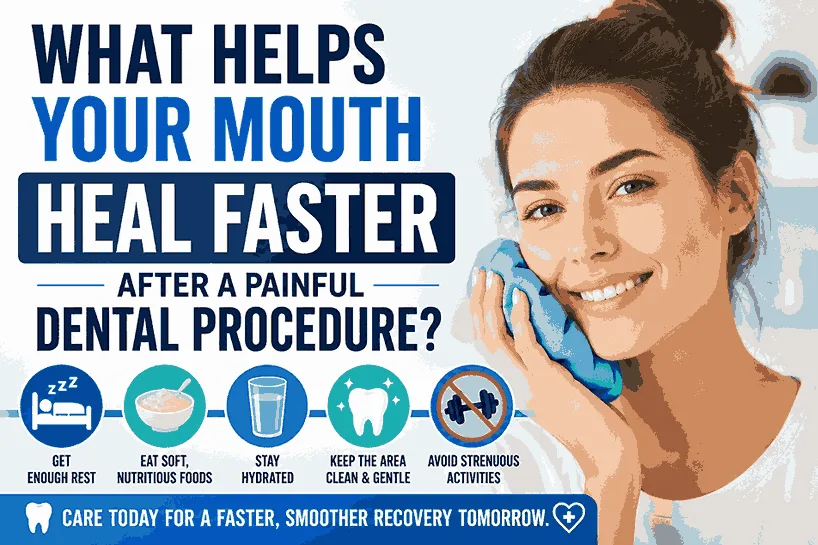
A painful dental procedure can leave you feeling uncomfortable for days. Whether you have undergone a wisdom tooth extraction, root canal treatment, dental implant placement, or another oral surgery, the recovery period often becomes the biggest concern. While some soreness and swelling are completely normal, the good news is that your body has an incredible ability to heal when given the right support.
Many people search online for ways to recover more quickly and comfortably. Questions about how to speed up wisdom teeth recovery are especially common because wisdom tooth removal is one of the most frequently performed dental procedures. Understanding what helps and what slows healing can make a significant difference in your recovery experience.
Why Proper Healing Matters After Dental Treatment
Your mouth contains delicate tissues, blood vessels, and bone structures that need time to repair after a dental procedure. The first few days are particularly important because this is when your body forms a protective blood clot and begins rebuilding damaged tissue. Interrupting this natural process can lead to complications, prolonged discomfort, and even infections.
Fortunately, a few simple habits can help create the ideal environment for faster healing and a smoother recovery.
Rest Gives Your Body Time to Repair
One of the most effective healing tools is something many people overlook: rest. After a dental procedure, your body directs energy toward repairing damaged tissues. Getting enough sleep and avoiding unnecessary physical strain allows this process to happen more efficiently.
Many patients feel tempted to return to their normal routine immediately, especially if they have work or family responsibilities. However, giving yourself at least a day or two of proper rest can significantly reduce swelling and discomfort while supporting faster recovery.
Follow Your Dentist’s Instructions Carefully
Every dental procedure is different, which is why personalized aftercare instructions are so important. Your dentist understands the specifics of your treatment and can provide guidance based on your individual situation.
Patients who closely follow prescribed instructions often experience fewer complications and better healing outcomes. Whether it involves taking medications, using a special mouth rinse, or avoiding certain foods, these recommendations are designed to protect the healing area.
Choose Soft Foods During Recovery
What you eat can have a major impact on how quickly your mouth recovers. Soft foods place less pressure on healing tissues and reduce the risk of irritating the surgical site.
Foods such as yogurt, mashed potatoes, smoothies, dal, khichdi, oatmeal, soups, and soft fruits are generally easier to consume during the first few days. Staying hydrated is equally important because dehydration can slow down the body's natural healing processes.
As your mouth begins to recover, you can gradually reintroduce more solid foods based on your comfort level and your dentist’s recommendations.
Keep the Area Clean Without Disturbing Healing
Maintaining oral hygiene remains important after dental treatment, but it requires extra care. Bacteria naturally exist inside the mouth, and poor hygiene can increase the risk of infection.
Gentle brushing around the affected area and following any rinsing instructions from your dentist can help keep the mouth clean while protecting the healing tissues. Avoid aggressive brushing or vigorous rinsing, especially during the first few days when the healing site is most vulnerable.
Managing Swelling Can Improve Recovery
Swelling is a natural response after oral surgery. While it may feel uncomfortable, it is actually part of the body's healing process.
Applying a cold compress during the first 24 to 48 hours can help reduce inflammation and improve comfort. Many patients notice that controlling swelling early helps them recover more comfortably and return to normal activities sooner.
As healing progresses, any remaining swelling typically begins to decrease naturally.
Avoid Activities That Increase Bleeding
Physical activity can affect blood flow and place additional stress on healing tissues. This is one reason dental professionals often recommend that patients wait to exercise after tooth extraction until they receive clearance or feel sufficiently recovered.
Intense workouts, heavy lifting, running, and strenuous activities may increase bleeding, swelling, and discomfort during the early stages of healing. Allowing your body adequate recovery time can help prevent unnecessary setbacks and support a smoother healing process.
Stay Away From Smoking and Tobacco Products
Smoking is one of the most significant factors that can delay oral healing. Tobacco reduces blood circulation, limits oxygen delivery to tissues, and increases the risk of infection.
For individuals recovering from dental procedures, avoiding smoking can dramatically improve healing outcomes. Even a temporary break from tobacco use during recovery can provide noticeable benefits and reduce complications.
Nutrition Supports Tissue Repair
Your body requires nutrients to rebuild tissue and fight inflammation. Protein, vitamins, and minerals all play essential roles in the healing process.
Foods rich in vitamin C, zinc, protein, and antioxidants may help support recovery by promoting tissue regeneration and immune function. A balanced diet can provide your body with the resources it needs to heal efficiently after dental treatment.
Pay Attention to Warning Signs
Most dental procedures heal without major problems, but it is important to monitor your symptoms. Severe pain, excessive bleeding, persistent swelling, fever, or signs of infection should never be ignored.
Some people also wonder, can i go to urgent care for tooth pain if symptoms worsen unexpectedly. While urgent care centers may help manage certain symptoms, dental emergencies are often best evaluated by a dentist who can identify and treat the underlying cause directly.
Seeking professional attention promptly can prevent small issues from becoming more serious complications.
Patience Is Part of the Healing Process
Many patients expect immediate improvement, but healing takes time. The first few days may involve discomfort, swelling, and sensitivity, while deeper tissues can continue healing for weeks or even months depending on the procedure.
Being patient with the process allows your body to recover naturally. Rushing back into normal habits too quickly can sometimes prolong recovery rather than shorten it.
Conclusion
Recovering from a painful dental procedure requires more than simply waiting for the discomfort to disappear. Proper rest, good nutrition, gentle oral hygiene, hydration, and following professional aftercare instructions all contribute to faster healing. Small daily choices can significantly influence how quickly your mouth repairs itself and returns to normal function.
While every recovery experience is different, supporting your body during the healing process can reduce complications and improve comfort. By giving your mouth the care it needs, you can recover more smoothly and get back to enjoying everyday life with confidence.