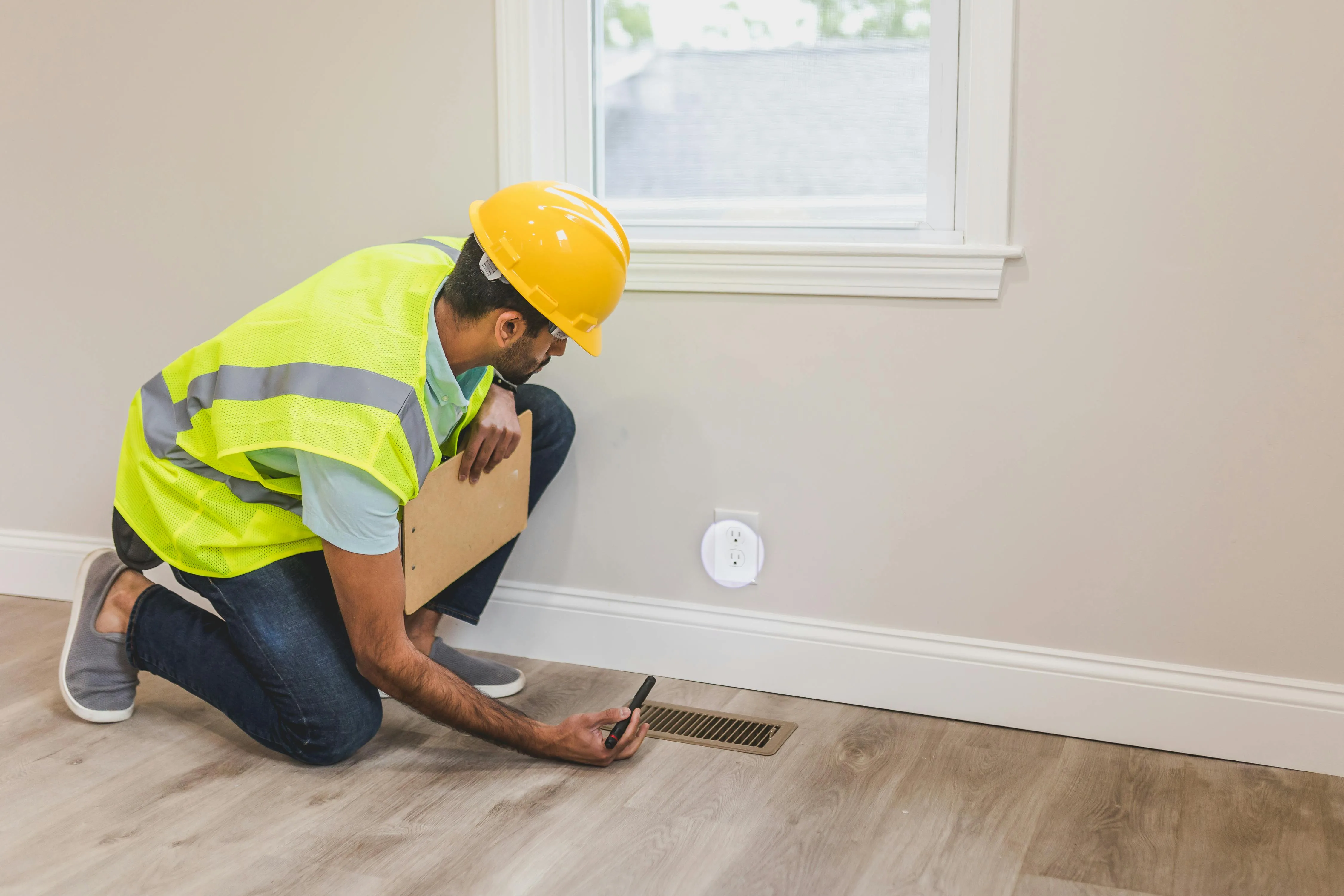
New York is a lot more than one city. On Monday, a home inspector might climb the narrow stairs of a 120-year-old Brooklyn brownstone. On Wednesday, they could be in a farmhouse outside Syracuse with a fieldstone foundation and a well in the yard. By Friday, it might be a lake cottage in the Adirondacks where the snow load on the roof is the first thing on everyone's mind.
That range is exactly what makes inspecting homes in New York so interesting. Here's a closer look at what the work really involves across the state, and why no two weeks ever look quite the same.
Sellers Say More Now, but Buyers Still Want Eyes on the House
For years, many New York sellers skipped the state's property condition disclosure form and simply gave the buyer a $500 credit at closing. That changed on March 20, 2024. As the Hudson Gateway Association of REALTORS explains, the credit is gone, sellers are now expected to complete and deliver the disclosure statement, and the form asks far more about flooding, including past flood claims and water getting into the house.
That's good news for buyers, but it doesn't replace an inspection. A disclosure form tells you what the seller knows, or remembers, or is willing to write down. An inspector shows the buyer what's actually there today. Some of the most useful moments in a New York inspection happen when the two don't match, like a form that says "no water problems" and a basement with fresh paint on one wall and a dehumidifier running in the corner.
When you can walk a buyer through those differences calmly and clearly, you're giving them exactly what they need to make a confident decision.
City Homes Come With Neighbors Attached
Inspecting in New York City feels different from anywhere else. A brownstone or row house shares its walls with the homes on either side, so a roof leak or a sagging floor can be tied to what's happening next door. You'll spend time on the roof checking flashing where the houses meet, looking at the front stoop and the old brick for cracks, and figuring out how decades of renovations changed the layout.
Some city rules surprise new owners, too. The NYC Department of Buildings requires an annual observation of any parapet that fronts a public street, regardless of the building's height. Detached one- and two-family homes are exempt, but an attached row house isn't automatically off the hook. Mentioning that to a buyer before they close is the kind of practical heads-up they appreciate.
Co-ops and condos work differently again. In an apartment, you can look closely at what's inside the unit, like the electrical panel, appliances, windows, and signs of leaks from above. The boiler, the roof, and the building's bones belong to everyone, so it helps to explain where your inspection ends and where the building's own records, and the buyer's attorney, pick up.
Old Heat and Buried Tanks
Many New York homes, especially older ones on Long Island, in Westchester, and across upstate towns, were heated with oil for decades. Some still are. That means you'll get to know oil burners, old boilers with cast iron radiators, and the tank that feeds them, whether it sits in the basement or is buried somewhere in the yard.
The buried ones deserve real attention. The New York State Department of Environmental Conservation points out that older steel tanks were not designed to be buried and will eventually corrode and leak, and that cleanup can cost tens of thousands of dollars. Most home heating oil tanks aren't covered by the state's bulk storage rules, though some counties, like Nassau, Suffolk, and Westchester, may have their own.
As an inspector, you're often the first person to notice the clues: a fill pipe or vent sticking out of the ground near the foundation, an abandoned supply line in the basement wall, or a faint smell of oil. You don't dig or test the tank yourself, but pointing out those signs gives the buyer time to ask questions, request records, or bring in a specialist before they sign.
The Invisible Checks: Radon and Lead
Some of the most important findings in a New York home can't be seen at all. Radon is one of them. The New York State Department of Health considers 40 counties high risk for elevated indoor radon, but it's quick to add that homes in lower-risk areas can have high levels too. Testing is the only way to know, and the Department recommends testing every home at least every five years. Many inspectors offer a radon test alongside the inspection, which turns a vague worry into a clear answer.
Lead is the other quiet concern, especially in a state with so much older housing. Under the federal lead disclosure rule, sellers of homes built before 1978 must share what they know about lead-based paint, and buyers get a 10-day window to have the paint inspected if they choose. A home inspector isn't a lead risk assessor, but you can point out peeling paint on old windows, porches, and trim and suggest a certified professional when it makes sense. For a family with young kids, that matters a lot.
Upstate and Lake Country: Snow, Wells, and Septic
Head north or west of the city and the questions change. Winters are long, and snow can sit on a roof for months. New York's residential code takes this seriously. The Department of State's guidance explains that local code officials set the design snow load for each town from a statewide map, and that sites above 1,000 feet in elevation have to plan for even more. An inspector isn't checking structural math, but sagging roof lines, cracked rafters, and attic frost all tell you how a house has handled past winters. Thick icicles along the gutters are another clue, since ice dams often point to warm air leaking into the attic.
Many rural homes also run on a private well and a septic system. The New York State Department of Health recommends testing private well water at least once a year for bacteria, and every three to five years for other contaminants. A standard home inspection usually doesn't include a full water test or septic evaluation, but you're often the first professional to ask about them. Pointing a buyer toward a certified lab or septic specialist before closing can save them a very expensive surprise.
Lake houses add their own twist, with seasonal plumbing, crawl spaces that see a lot of moisture, and docks or decks that take a beating every spring.
A Licensed Profession With Clear Rules
New York takes home inspection seriously. Under the state's home inspection licensing law, anyone who performs home inspections for pay needs a license from the Department of State. The same law sets out the standards of practice, requires inspectors to carry general liability insurance, and asks for continuing education with every renewal.
A few rules shape the client experience in very practical ways. The written report has to be delivered within five business days of the inspection, and it has to make clear which systems were observed and which weren't. Inspectors also can't offer to repair the things they just inspected for an extra fee before the closing, which keeps the report honest and the advice neutral.
That structure is good news for buyers, and it gives inspectors a clear professional footing from day one. If you'd like the full picture of the education, exam, and insurance it takes to get there, this guide to home inspector licensing requirements in New York walks through each step.
What This Means If You're Thinking About the Career
If you like variety, New York delivers it in every direction. You might spend the morning on a Queens rooftop, the afternoon in a Hudson Valley colonial, and the next day in a farmhouse near Rochester with a well and a hundred years of stories in its basement. Very few places give an inspector that much range.
The work suits people who are curious, careful, and good at explaining things. Buyers here are often stretching to afford their home, and they're nervous about what they don't know. Being the calm voice who explains what an old oil tank or a high radon number really means for them builds trust quickly, and that trust turns into steady referrals from agents and attorneys.
If that sounds like your kind of work, spend some time with the resources linked in this article, ride along with an experienced inspector in a few different parts of the state, and think about which kinds of homes you'd most like to serve. From brownstones to lake houses, there's always another house with a story to tell.