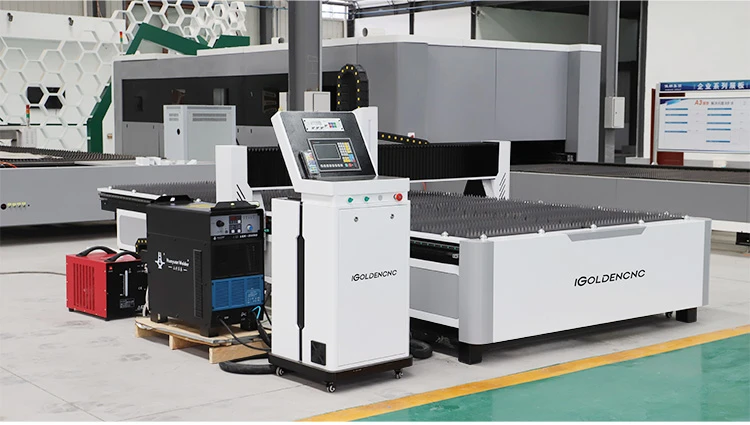
A plasma table, also known as a CNC plasma cutting table, is an automated metal fabrication machine that uses plasma arc technology to cut through electrically conductive materials with exceptional precision. This powerful tool has become indispensable in modern metalworking shops, manufacturing facilities, and fabrication businesses worldwide.
The plasma cutting process works by sending an electric arc through a gas passing through a constricted opening. This superheated, electrically ionized gas reaches temperatures up to 30,000°F (16,649°C), instantly melting through metal and blowing away the molten material to create clean, precise cuts.
Round tube CNC Plasma Cutting Machine
CNC Plasma Cutter for Metal Fabrication
High-definition CNC plasma cutters are cutting instruments that use plasma, a superheated ionized gas, to produce precise cuts in metals. These devices are widely used in industries that require high accuracy, such as metal fabrication, automotive, and manufacturing. High-definition plasma cutters make cleaner, smoother cuts with less waste than traditional plasma cutters.
Operators can program intricate designs into these machines thanks to CNC (Computer Numerical Control) technology. Once programmed, the machine can cut consistently without human intervention. This increases manufacturing efficiency and guarantees that every cut meets the needed criteria.
A variety of metals, such as copper, aluminum, and steel, can be cut with high-definition plasma cutters. They save time and money by reducing the need for additional finishing stages thanks to their accuracy and rapid cutting speed. These gadgets are essential equipment for metalworking businesses trying to boost productivity and enhance product quality.
Entry Level CNC Plasma Table & Plasma Cutter
Best CNC Plasma Cutter For Sale
Key Components of a Plasma Table
CNC Control System
The brain of any plasma table is its Computer Numerical Control (CNC) system. This sophisticated computer interface reads design files (typically DXF or SVG formats) and translates them into precise cutting paths. Modern CNC controllers offer user-friendly touchscreen interfaces, making complex cutting operations accessible even to operators with minimal programming experience.
Cutting Bed and Frame
The table structure consists of a heavy-duty steel frame supporting a cutting bed. Most tables feature either slat-style beds or water tables. Slat beds use replaceable steel slats that support the workpiece, while water tables submerge the cutting area in water to reduce fumes, sparks, and heat distortion.
Plasma Torch and Power Supply
The plasma torch is mounted on a motorized gantry system that moves in X and Y axes (and sometimes Z axis for automatic height control). The power supply unit generates the electrical current necessary to create the plasma arc. Power ratings typically range from 45 amps for light-duty hobbyist tables to 400+ amps for heavy industrial applications.
Motion System
High-quality plasma tables utilize precision linear guides, rack-and-pinion drives, or servo motors to achieve smooth, accurate motion. The motion system’s precision directly impacts cutting quality and repeatability.
4 Axis Plasma Cutter for Round&Square Tube And Metal Sheet
Plasma Cutting Machine
Plasma Cutting Machine for Stainless Steel
Plasma Cutting Machine
Best 4×8 Plasma Table with Cheapest Price for Sale
Plasma Cutting Machine
Affordable Price CNC Plasma Table Cutting Machine
Advantages of Plasma Cutting Tables
Speed and Efficiency
Plasma cutting operates significantly faster than traditional cutting methods like oxy-fuel or mechanical cutting. A quality plasma table can cut mild steel at speeds exceeding 500 inches per minute on thin materials, dramatically reducing production time and labor costs.
Precision and Repeatability
CNC automation ensures every part matches exact specifications. Once programmed, the plasma table reproduces identical parts with tolerances typically within ±0.5mm, eliminating human error and improving product consistency.
Versatility
From intricate artistic designs to heavy structural components, plasma tables handle diverse projects. The technology cuts materials ranging from thin 22-gauge sheet metal to thick 2-inch steel plates (depending on power supply capacity).
Cost-Effectiveness
Compared to laser cutting systems, plasma tables offer similar capabilities at a fraction of the investment. Lower initial costs, reduced operating expenses, and minimal maintenance make plasma an economical choice for small to medium-sized fabrication shops.
Minimal Material Waste
Precision nesting software optimizes part layouts, maximizing material utilization and minimizing scrap. The narrow kerf (cutting width) of plasma torches also reduces material loss compared to mechanical cutting methods.
Materials You Can Cut
Plasma tables excel at cutting electrically conductive metals including:
Steel and Mild Steel – The most common material for plasma cutting, ideal for structural components, brackets, and general fabrication work.
Stainless Steel – Perfect for food service equipment, automotive parts, and decorative applications requiring corrosion resistance.
Aluminum – Despite its reflectivity and thermal conductivity challenges, modern plasma systems cut aluminum cleanly for aerospace, automotive, and marine applications.
Copper and Brass – These materials require higher amperage but plasma tables handle them effectively for electrical components and artistic projects.
Cast Iron – Industrial applications benefit from plasma’s ability to cut through cast iron for machinery repair and manufacturing.