
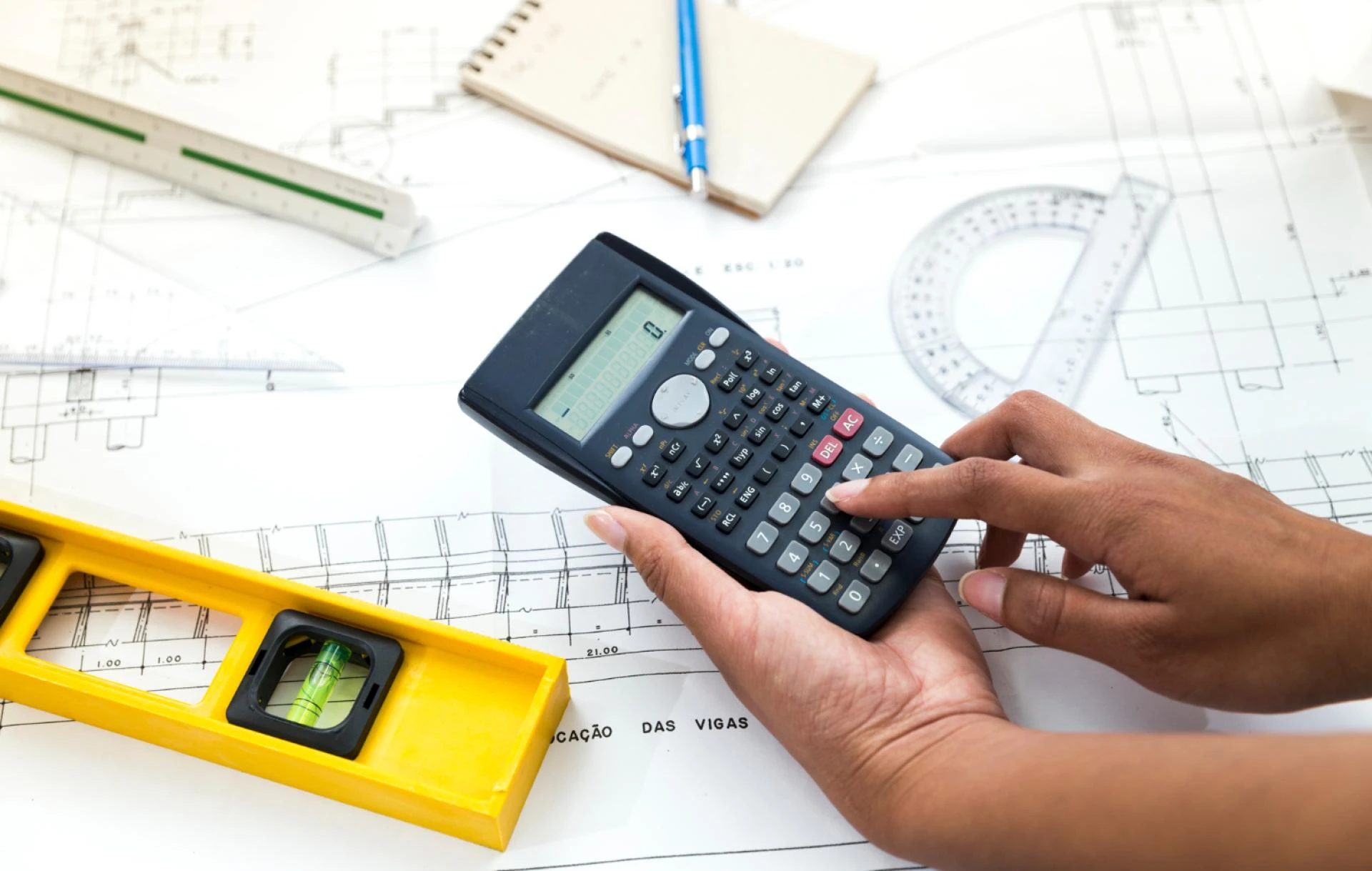
In construction projects, planning materials correctly is one of the most important steps. Whether you are building a house foundation, driveway, or commercial structure, estimating the right amount of concrete helps prevent delays, extra costs, and waste. This is where a ready mix calculator becomes a useful tool.
Many builders, contractors, and homeowners rely on digital tools to estimate how much ready-mix concrete is required for a specific area. Instead of guessing the volume of concrete needed, these tools provide a quick and reliable estimate based on the measurements entered.
This guide explains what this calculation tool is, how it works, and why it is helpful for modern construction projects.
Understanding the Ready Mix Calculator
A ready mix calculator is an online tool designed to estimate the volume of ready-mix concrete required for a construction project. It calculates the approximate quantity of concrete needed based on dimensions such as length, width, and depth of the structure.
The purpose of this tool is to simplify the estimation process. Instead of manually calculating cubic meters or cubic feet, users simply enter measurements and receive an estimated volume instantly.
This makes it especially useful for both small and large construction projects.
Common applications include:
- House construction
- Flooring or slab work
- Driveways and pathways
- Foundations and footings
- Columns and beams
By using a digital concrete estimation tool before placing an order, builders can reduce material wastage and ensure the right quantity of concrete is delivered to the site.
Why Accurate Concrete Estimation Matters
Concrete is one of the most widely used construction materials, and ordering the correct quantity is essential for project efficiency. Miscalculating requirements can create several problems during the construction process.
If too little concrete is ordered, work may stop midway until more material arrives. This can lead to delays and additional transportation costs. On the other hand, ordering too much material increases project expenses and results in unnecessary waste.
Accurate estimation helps in several ways:
- Better project planning
- Reducing material waste
- Managing construction budgets
- Avoiding delays during pouring
- Ensuring consistent structural quality
Digital tools make this process easier by providing quick volume calculations based on project dimensions.
How the Calculator Works
The working principle behind this type of tool is simple. It uses basic volume calculations to determine how much concrete is needed for a specific space.
Below is a typical step-by-step process.
1. Enter the project dimensions.
The first step is entering the measurements of the area where concrete will be poured. These usually include:
- Length
- Width
- Depth or thickness
Measurements can be entered in different units such as meters, feet, or inches depending on the tool being used.
2. Calculate the Volume
After entering the measurements, the tool multiplies these dimensions to calculate the total volume.
The standard formula used is:
- Volume = Length × Width × Depth
The result is typically shown in cubic meters or cubic yards.
3. Convert to Concrete Quantity
Once the volume is calculated, the system estimates how much ready-mix concrete will be required for the project. Some tools may also suggest adding a small extra margin to cover minor losses during pouring or transportation.
4. Display Instant Results
Within seconds, the estimated quantity is displayed. This allows contractors and project managers to plan material orders more efficiently.
Where This Tool Is Commonly Used
Concrete is required for many different structural components in construction. Estimation tools are commonly used for several applications.
1. Concrete Slabs
Concrete slabs are used for floors, patios, and driveways. Entering the slab dimensions helps determine the volume needed for the work.
2. Foundations
Building foundations requires precise material calculations. Accurate estimates help ensure the base structure receives the correct amount of concrete.
3. Columns and Beams
Structural elements like columns and beams must be calculated carefully. Proper estimation helps maintain structural strength and consistency.
4. Pathways and Pavements
Outdoor areas such as sidewalks, patios, and garden pathways also require concrete. Builders can easily estimate material needs before starting work.
Tips for Accurate Concrete Calculation
While these tools are simple to use, following a few basic practices can improve accuracy.
1. Use accurate measurements.
Always double-check the measurements before entering them. Even small mistakes can affect the final calculation.
2. Avoid Mixing Measurement Units.
One common mistake is mixing metric and imperial units. Ensure all measurements are entered in the same unit system.
3. Allow a safety margin.
It is often recommended to order slightly more concrete than calculated to cover minor spillage or uneven surfaces.
4. Consult Professionals if Needed.
If the structure involves complex shapes or large volumes, consulting construction professionals can help ensure more precise estimates.
Benefits of Using a Ready Mix Calculator
A ready mix calculator offers several advantages that make construction planning easier and more efficient.
1. Saves Time
Manual calculations can take time and may lead to mistakes. Digital tools provide results instantly.
2. Improves Accuracy
Automated calculations reduce human error and improve estimation accuracy.
3. Reduces Material Waste
Ordering the correct amount of concrete helps prevent unnecessary wastage.
4. Helps with Budget Planning
Accurate material estimates help contractors manage construction costs effectively.
5. Easy for Anyone to Use
These tools are simple and user-friendly. Even homeowners working on small renovation projects can use them easily.
Final Thoughts
Estimating construction materials correctly is essential for completing projects efficiently and cost-effectively. Tools designed for concrete volume estimation help builders determine how much ready-mix concrete is required for different parts of a structure.
By entering basic measurements such as length, width, and depth, users can quickly calculate the concrete volume needed. This reduces guesswork, improves accuracy, and helps avoid delays during construction.
Whether you are a contractor handling a large project or a homeowner planning a small renovation, using a ready mix calculator can make construction planning simpler and more reliable.
FAQs
1. What is a ready mix calculator used for?
A: A ready mix calculator helps estimate the amount of ready-mix concrete needed for construction projects such as slabs, foundations, driveways, and columns. It calculates concrete volume based on measurements entered by the user.
2. How accurate are online concrete calculation tools?
A: These tools provide reliable estimates when correct measurements are entered. However, builders usually add a small safety margin to account for minor losses during pouring or transportation.
3. Can homeowners use concrete estimation tools for small projects?
A: Yes. Homeowners can use these tools for projects such as patios, pathways, flooring, or small foundations. They only require simple measurements to generate an estimated concrete volume.