Solar power has become an increasingly popular solution for Australians looking to power caravans, 4WDs, boats, camping equipment, and off-grid systems. While solar panels often get all the attention, there's another component that plays a crucial role in protecting your batteries and ensuring efficient charging: the solar regulator.
What Is a Solar Regulator?
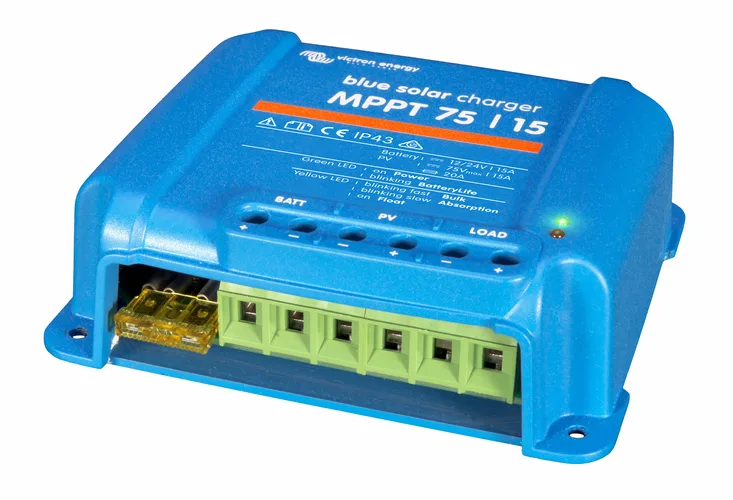
A solar regulator, also known as a solar charge controller, is a device installed between your solar panel and battery. Its primary purpose is to regulate the voltage and current flowing from the solar panel to the battery.
The regulator ensures the battery receives the correct charging voltage and prevents overcharging, which can significantly impact battery performance and longevity.
Think of it as the traffic controller of your solar system, directing energy safely and efficiently where it's needed.
Why Is a Solar Regulator Important?
Solar panels continue generating power whenever sunlight is available. Without regulation, batteries may receive more charge than they can safely handle. A quality solar regulator helps:
- Prevent battery overcharging
- Protect against excessive voltage
- Improve charging efficiency
- Extend battery lifespan
- Reduce power loss
- Protect connected appliances and equipment
For anyone investing in a solar power system, a regulator is not just beneficial. It is essential.
How Does a Solar Regulator Work?
A solar regulator monitors battery voltage and adjusts the charging process accordingly.
When the battery requires charging, the regulator allows power from the solar panel to flow into the battery. As the battery approaches full charge, the regulator gradually reduces the charging current or voltage to prevent damage.
Many modern solar regulators feature multiple charging stages, including:
- Bulk Charging: This stage delivers maximum power to recharge the battery quickly.
- Absorption Charging: Charging slows as the battery nears full capacity, preventing overheating and overcharging.
- Float Charging: Once fully charged, the regulator maintains the battery at a safe voltage level to keep it topped up without causing damage.
This intelligent charging process helps maximise battery performance and service life.
Choosing the Right Solar Regulator
Selecting the correct regulator is critical for system performance. Consider the following factors:
- Battery Type: Different battery technologies require different charging profiles. Common types include AGM batteries, gel batteries, and lithium batteries.
- Solar Panel Output: Your regulator must be capable of handling the maximum output from your solar panels. Check for solar panel wattage, panel voltage, and the maximum charging current.
- Future Expansion: If you plan to add more solar panels later, consider selecting a regulator with additional capacity. This can save money and simplify future upgrades.
- Environmental Conditions: Outdoor applications such as caravans, boats, and remote installations benefit from regulators designed to withstand harsh Australian conditions.
Find the Right Solar Regulator
A solar regulator may be a small component, but it plays a vital role in every solar power system. By regulating charging voltage and protecting your batteries, it helps maximise efficiency, improve reliability, and extend battery life.
From entry-level PWM models to advanced MPPT technology, you'll find products designed to help you get the most from your solar investment while protecting your batteries for years to come.