
Keeping every room in your home at the same temperature isn't always practical. While one family member may prefer a cooler bedroom, another might find the living room too cold. Rooms exposed to direct sunlight often become warmer than shaded spaces, and areas that aren't used regularly don't always need the same level of cooling. This is where AC zoning makes a noticeable difference.
An AC zoning system divides your home into separate cooling zones, allowing you to control the temperature of each area independently. Instead of cooling the entire house to satisfy one room, the system delivers conditioned air only where it's needed. The result is greater comfort, improved energy efficiency, and lower electricity bills.
Whether you're building a new home or upgrading your existing HVAC system, understanding how AC zoning works can help you decide if it's the right solution for your property.
What Is AC Zoning?
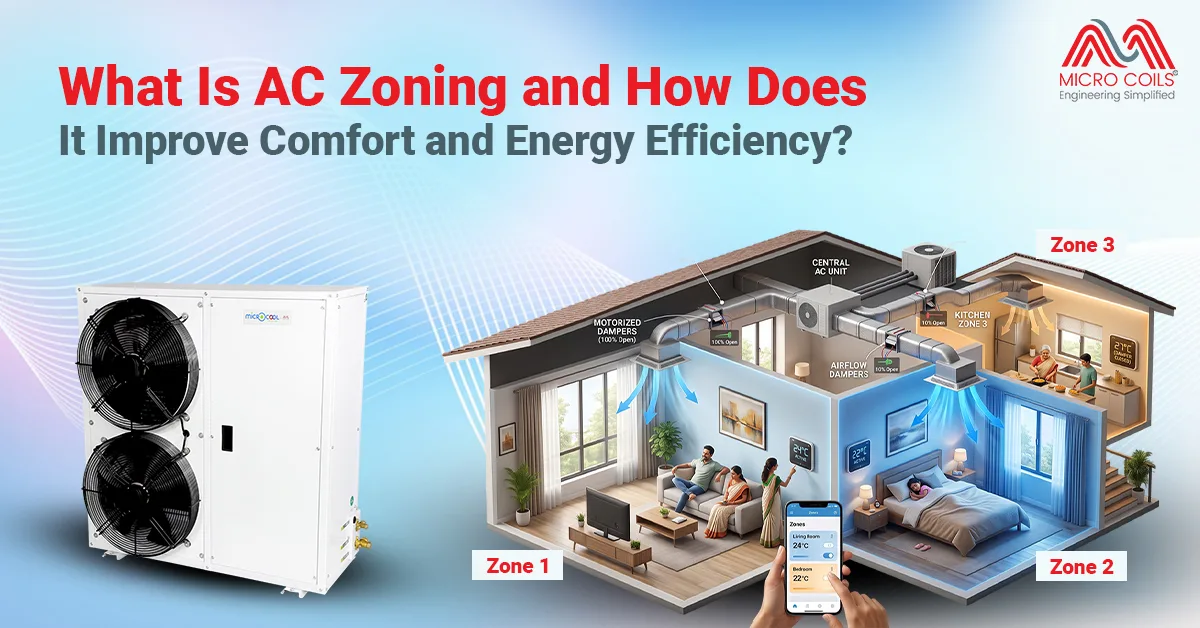
AC zoning is a climate control system that separates a home or commercial building into multiple temperature-controlled areas, known as zones. Each zone has its own thermostat, allowing occupants to adjust the temperature according to their comfort preferences.
Motorized dampers installed within the ductwork regulate the airflow to each zone. When a thermostat detects that a room requires cooling, the dampers open to direct conditioned air into that area while restricting airflow to other zones that don't require cooling.
This intelligent airflow management eliminates the need to cool the entire building unnecessarily, making the HVAC system far more efficient.
How Does an AC Zoning System Work?
An AC zoning system combines several components to deliver customized comfort throughout your property. Individual thermostats continuously monitor the temperature in each zone and communicate with a central control panel. Based on the thermostat settings, the control panel adjusts the motorized dampers within the ductwork to direct cooled air only where it's needed.
As the system responds to changing temperatures throughout the day, each zone receives the right amount of airflow without affecting the comfort of other rooms. This automated process creates a more balanced indoor environment while reducing unnecessary strain on the air conditioning system.
Benefits of AC Zoning
One of the biggest advantages of AC zoning is personalized comfort. Every member of the household can set a temperature that suits their preferences without affecting other areas of the home. Bedrooms, home offices, living spaces, and guest rooms can all maintain different temperatures simultaneously.
Energy efficiency is another significant benefit. Traditional HVAC systems cool the entire home, even when several rooms are unoccupied. With zoning, only occupied areas receive conditioned air, reducing unnecessary energy consumption and helping lower monthly electricity costs.
AC zoning also improves temperature consistency. Multi-story homes often experience uneven cooling because warm air naturally rises. Upper floors may feel significantly warmer than lower levels, forcing homeowners to lower the thermostat for the entire house. Zoning solves this problem by allowing each floor to operate independently, ensuring a more balanced indoor climate.
Another benefit is reduced wear and tear on your HVAC equipment. Since the system doesn't need to cool every room continuously, major components experience less stress over time. This can extend the lifespan of the equipment while reducing the likelihood of unexpected breakdowns.
Is AC Zoning Suitable for Every Home?
While AC zoning offers many advantages, it provides the greatest value in homes with varying cooling requirements. Large homes, multi-story properties, houses with large windows, and homes with finished basements often experience uneven temperatures that make zoning especially beneficial.
Families with different comfort preferences also appreciate the flexibility of independent temperature control. Instead of constantly adjusting the thermostat, each occupied area maintains its preferred temperature automatically.
Even homes with rooms that are used only occasionally, such as guest bedrooms or entertainment spaces, can benefit by avoiding unnecessary cooling when those areas are vacant.
AC Zoning and HVAC Efficiency
An efficient HVAC system depends on balanced airflow and proper component performance. When conditioned air is directed only where it's needed, the system operates more effectively while reducing unnecessary energy use.
Clean system components also play an important role in maintaining this efficiency. Dirt accumulation on the evaporator coil reduces heat absorption, forcing the system to work harder to achieve the desired temperature. Likewise, a clean AC cooling coil promotes better airflow and consistent cooling across every zone.
When zoning is combined with regular HVAC maintenance, homeowners often notice improved comfort, lower operating costs, and more reliable system performance throughout the year.
Common Misconceptions About AC Zoning
Some homeowners believe that AC zoning requires installing multiple air conditioning units. In reality, most zoning systems work with a single central HVAC system by using dampers and multiple thermostats to control airflow.
Another misconception is that zoning is only suitable for large luxury homes. While larger properties benefit greatly, many average-sized homes also experience uneven temperatures due to room orientation, insulation differences, or varying sun exposure. A properly designed zoning system can improve comfort regardless of the home's size.
There is also a belief that zoning makes HVAC systems more complicated to maintain. Although additional controls are involved, professional installation and routine servicing ensure the system continues operating efficiently with minimal maintenance.
Tips for Getting the Most from an AC Zoning System
To maximize the benefits of AC zoning, homeowners should schedule regular HVAC inspections, replace air filters at recommended intervals, and ensure thermostats are properly calibrated. Keeping the ductwork clean and maintaining essential components such as the AC evaporator coil also helps preserve airflow and cooling efficiency.
Using programmable or smart thermostats further enhances energy savings by automatically adjusting temperatures based on occupancy and daily routines. This prevents unnecessary cooling while ensuring every occupied zone remains comfortable.
Final Thoughts
AC zoning is an effective solution for homeowners seeking greater comfort, improved temperature control, and better energy efficiency. By dividing your home into independently controlled zones, the system delivers cooling exactly where it's needed instead of wasting energy on unused spaces.
Combined with regular HVAC maintenance and proper care of essential components like the evaporator coil, AC cooling coil, and AC evaporator coil, an AC zoning system can reduce electricity costs, improve indoor comfort, and extend the lifespan of your air conditioning equipment. Whether you're upgrading an existing system or planning a new installation, AC zoning offers a smarter and more efficient way to keep every room comfortable throughout the year.