Finding time for fitness can be difficult, especially when work, family, and daily responsibilities compete for attention. This is one reason why High-Intensity Interval Training (HIIT) has become so popular. At the center of many successful HIIT programs is the Interval Timer HIIT Workout, a structured training method designed to maximize results in less time.
Whether your goal is weight management, improved endurance, or better overall fitness, understanding how an Interval Timer HIIT Workout works can help you train more effectively and stay consistent.
What Is an Interval Timer HIIT Workout?
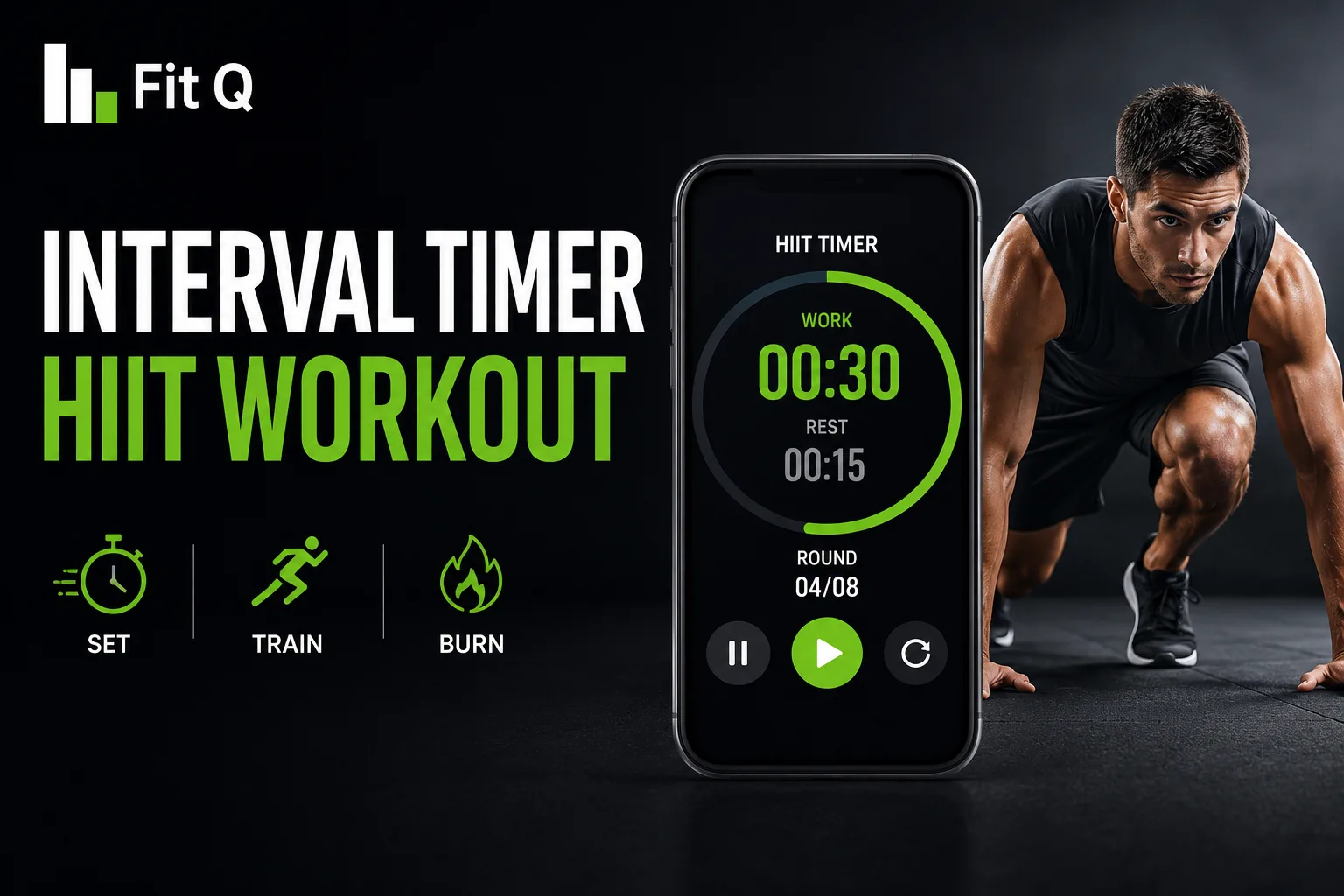
An Interval Timer HIIT Workout is a training method that alternates between periods of intense exercise and short recovery breaks.
For example:
- 30 seconds of exercise
- 15 seconds of rest
- Repeat for multiple rounds
The timer automatically guides each work and recovery phase, allowing users to focus entirely on their performance.
Unlike traditional workouts that maintain a steady pace, HIIT uses bursts of high effort followed by recovery periods. This structure helps maximize workout efficiency while keeping sessions relatively short.
For busy individuals, this approach provides a practical way to stay active without spending hours exercising.
Why Is an Interval Timer HIIT Workout So Popular?
The answer is simple: efficiency.
Many people struggle to find enough time for fitness. An Interval Timer HIIT Workout allows users to complete effective training sessions in as little as 15 to 30 minutes.
According to fitness industry studies, HIIT workouts have remained one of the most popular training trends globally because they offer flexibility and can be adapted for different fitness levels.
Users can perform:
- Bodyweight exercises
- Cardio workouts
- Strength training
- Running intervals
- Circuit training
all using the same interval-based structure.
This versatility makes HIIT appealing to beginners and experienced athletes alike.
Can an Interval Timer HIIT Workout Help Burn More Calories?
Yes.
One reason many people choose HIIT training is its ability to increase workout intensity.
When users alternate between high-effort exercise and short recovery periods, they often maintain a higher overall workload compared to traditional steady-state exercise.
Research has shown that high-intensity interval training can be an effective way to improve cardiovascular fitness while supporting calorie expenditure.
For example, a person performing:
- Jump squats
- Mountain climbers
- Burpees
- Push-ups
in timed intervals may complete a highly challenging workout in less than 20 minutes.
This makes HIIT attractive for individuals with limited training time.
Is an Interval Timer HIIT Workout Suitable for Beginners?
Absolutely.
One common misconception is that HIIT is only for advanced athletes.
In reality, an Interval Timer HIIT Workout can be adjusted to match any fitness level.
Beginner Example
- March in place – 20 seconds
- Rest – 20 seconds
- Bodyweight squats – 20 seconds
- Rest – 20 seconds
Intermediate Example
- Jump squats – 30 seconds
- Rest – 15 seconds
- Push-ups – 30 seconds
- Rest – 15 seconds
Advanced Example
- Burpees – 40 seconds
- Rest – 10 seconds
- Sprint intervals – 40 seconds
- Rest – 10 seconds
The timer structure remains the same while exercise intensity changes according to the user's ability.
This flexibility is one of the reasons HIIT continues to grow in popularity.
How Does an Interval Timer Improve Workout Performance?
Many people underestimate the importance of timing.
Without a timer, users often:
- Extend rest periods
- Reduce workout intensity
- Lose workout structure
An Interval Timer HIIT Workout removes these issues by automatically controlling work and recovery intervals.
This creates accountability and consistency.
Instead of watching a clock, users can focus entirely on movement quality and effort.
The result is a smoother, more organized workout experience.
Real-Life Example: How HIIT Helped a Busy Professional
Consider David, a marketing manager who struggled to find time for exercise.
After long workdays, he often skipped workouts because he believed effective fitness required an hour or more at the gym.
He decided to try an Interval Timer HIIT Workout that lasted only 20 minutes.
His routine included:
- Squats
- Push-ups
- High knees
- Planks
performed in timed intervals.
Because the workout was short and structured, he found it easier to remain consistent.
Within a few months, David reported feeling more energetic, stronger, and more committed to his fitness goals.
His success came not from spending more time exercising but from using his available time more efficiently.
Can an Interval Timer HIIT Workout Improve Endurance?
Yes.
HIIT challenges both muscular and cardiovascular endurance.
By repeatedly switching between effort and recovery, the body adapts to handling higher workloads.
Over time, users may notice improvements in:
- Stamina
- Recovery speed
- Workout capacity
- Cardiovascular fitness
- Exercise performance
The structured nature of interval training makes it easier to gradually increase difficulty and continue progressing.
How Does Fit Q Support Interval Timer HIIT Workouts?
Successful fitness routines require consistency and organization.
Fit Q helps users manage workouts, track progress, and maintain structured training plans.
For individuals using an Interval Timer HIIT Workout, having access to workout organization tools can simplify training and improve accountability.
Users can create routines, monitor completed sessions, and stay focused on long-term fitness goals.
Whether training at home, outdoors, or in the gym, structure often plays a key role in achieving results.
Fit Q helps provide that structure while supporting a more organized fitness experience.
Who Should Use an Interval Timer HIIT Workout?
An Interval Timer HIIT Workout is ideal for:
- Busy professionals
- Home workout enthusiasts
- Beginners
- Athletes
- Weight-loss focused individuals
- People seeking efficient workouts
Because workouts can be customized, HIIT remains one of the most accessible training methods available today.
The ability to train anywhere with little or no equipment makes it practical for a wide range of users.
Final Thoughts
An Interval Timer HIIT Workout offers one of the most efficient ways to improve fitness, increase workout intensity, and maintain consistency. By combining structured timing with focused effort, users can achieve meaningful results without spending hours exercising.
Whether your goal is improving endurance, supporting weight management, increasing strength, or simply staying active, interval training provides a flexible and effective solution.
With workout planning and progress tracking tools available through Fit Q, users can stay organized, monitor improvements, and build sustainable fitness habits that support long-term success.
FAQ
Q1. What is an Interval Timer HIIT Workout?
An Interval Timer HIIT Workout uses timed work and rest periods to create efficient, high-intensity training sessions.
Q2. Can beginners do HIIT workouts?
Yes. HIIT workouts can be customized for beginners by adjusting exercise intensity and interval duration.
Q3. How long should a HIIT workout be?
Most HIIT workouts range from 15 to 30 minutes, depending on fitness goals and experience level.
Q4. What exercises can be used in an Interval Timer HIIT Workout?
Popular exercises include squats, push-ups, burpees, mountain climbers, jumping jacks, and high knees.
Q5. How does Fit Q help with HIIT training?
Fit Q helps users organize workouts, track progress, and maintain structured fitness routines for long-term success.