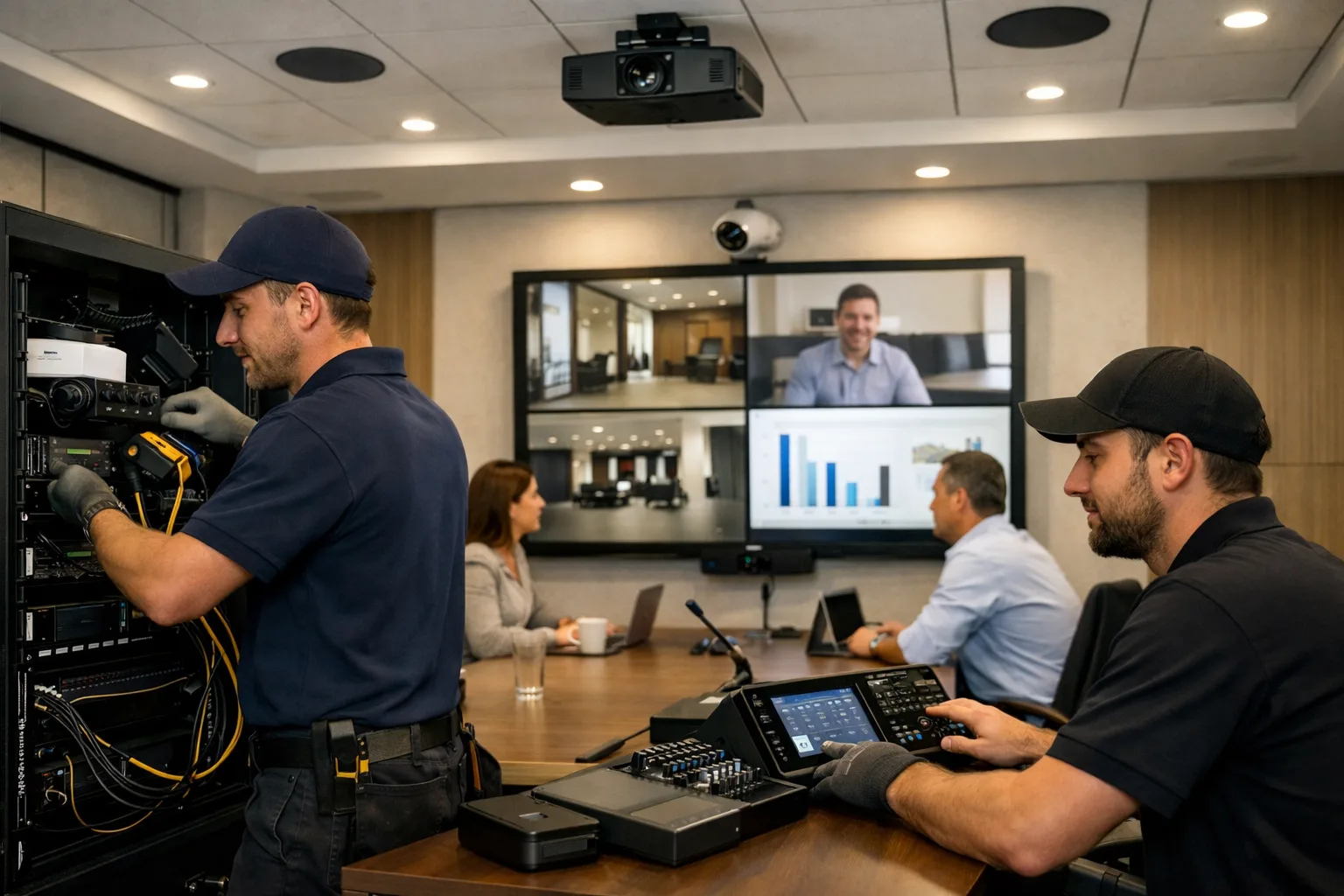
Professional AV Integration Services in Dubai involve more than simply installing speakers, screens, cameras, or projectors. A complete AV system brings different audio and visual devices together so they can work as one connected solution. This process usually includes planning, equipment selection, installation, system setup, testing, and user support. Understanding each part can help businesses, schools, hotels, and other organizations make better decisions when setting up an AV environment.
AV System Planning and Needs Assessment
The first step in professional AV integration is understanding the needs of the space. Every room has different requirements based on its size, purpose, number of users, and layout.
For example, a small meeting room may only need a display, camera, microphone, and speakers. A large conference room may require multiple screens, advanced microphones, video conferencing equipment, and a central control system.
During the planning stage, professionals study the room and identify how people will use the AV system. They may consider seating positions, viewing angles, sound coverage, lighting, and available power connections. Proper planning helps create a system that is practical and easy to use.
Equipment Selection and Compatibility
Choosing the right equipment is an important part of AV integration. A professional system may include displays, projectors, speakers, microphones, cameras, amplifiers, video processors, control panels, and other devices.
The equipment must also work together correctly. For example, a display should support the required video signals, while microphones and speakers should provide clear sound for the size of the room.
Professional integration focuses on compatibility rather than selecting individual devices without considering the complete system. This helps reduce technical problems and makes the final setup easier to manage.
Audio and Video Installation
Once the system design is ready, the next step is installation. This may involve mounting displays, installing projectors, placing speakers, setting up microphones, and connecting cameras and other equipment.
Cable management is also an important part of installation. Cables may be placed inside walls, ceilings, floors, or dedicated cable pathways where suitable. A well-organized installation can make the room look cleaner and make future maintenance easier.
The position of each device also matters. Speakers need to provide balanced sound, while screens and projectors should be placed where users can view them comfortably. Cameras should have a clear view of the participants or presentation area.
Control System Setup
A professional AV system may include a central control system that allows users to manage several devices from one interface. This can be a touchscreen, wall-mounted control panel, remote, or software-based interface.
Instead of controlling each device separately, users may be able to start a presentation, adjust volume, switch video sources, or begin a video conference through a single control point.
The control system is designed according to the needs of the users. Simple controls can be helpful in meeting rooms, while larger spaces may require more advanced options. The main goal is to make common tasks easier without creating unnecessary complexity.
Video Conferencing Integration
Many modern workplaces use video meetings to communicate with remote teams, clients, and partners. For this reason, video conferencing can be an important part of an integrated AV system.
A professional setup may connect cameras, microphones, speakers, displays, and conferencing software. The system should allow participants in the room to hear and see remote attendees clearly.
Room design also affects the quality of video meetings. Camera placement, microphone coverage, lighting, and speaker performance all play a role. When these elements are planned together, users can have a more consistent meeting experience.
Network and Connectivity
Many AV systems depend on network connections for communication and control. Displays, control systems, video conferencing equipment, and other devices may need access to a local network or internet connection.
Professional AV integration may include planning for these connectivity requirements. The network should support the system's expected use while maintaining suitable performance and security practices.
Wired and wireless connections may both be used, depending on the room and system design. The choice depends on factors such as reliability, bandwidth, device location, and user requirements.
System Testing and Calibration
After installation, the AV system needs to be tested. Each device is checked to confirm that it works correctly with the rest of the system.
Audio levels may be adjusted to provide clear sound throughout the room. Displays and projectors may be checked for image quality and correct signal connections. Cameras are tested for suitable viewing angles, while microphones are checked for clear voice pickup.
Testing also helps identify connection problems before the system is handed over to users. Calibration is important because even high-quality equipment may not perform well if it is not configured correctly for the room.
User Training and System Handover
A professional AV system should be easy for users to operate. Training may be provided to explain basic controls and common functions.
Users may learn how to start a presentation, connect a laptop, adjust audio, switch sources, and use video conferencing features. Training can reduce confusion and help staff use the system with greater confidence.
The handover process may also include system documentation. This can provide information about equipment, connections, control functions, and basic operating procedures.
Maintenance and Future Upgrades
AV integration does not always end when installation is complete. Regular checks can help keep equipment working properly and identify issues early.
Some systems may also need software updates or equipment replacements over time. As business needs change, additional displays, cameras, microphones, or other devices may be added.
A well-planned AV system should allow for future changes where possible. This can make upgrades easier without requiring a complete redesign of the entire setup. Understanding what is included in AV Integration Services in Dubai can help organizations plan systems that are reliable, practical, and suitable for long-term use.