
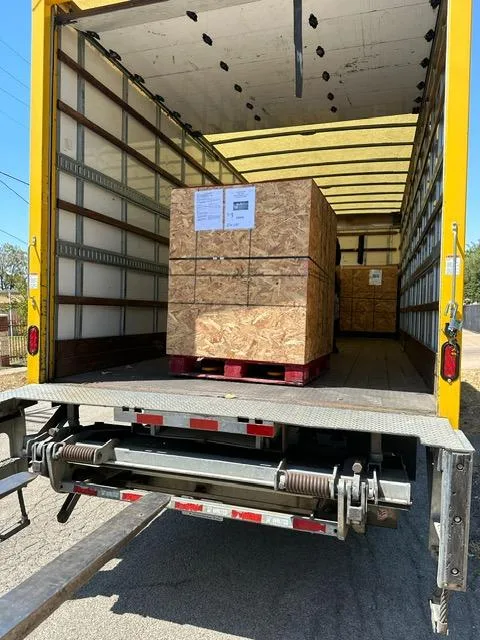
The oil and gas industry depends on powerful machinery to keep operations running. From drilling systems and pipelines to compressors and valves, equipment must move safely between warehouses, refineries, drilling sites, and industrial facilities. However, moving these items is rarely simple.
Oil and gas equipment shipping involves much more than loading heavy parts onto a truck. Many pieces of equipment are oversized, highly valuable, or sensitive to rough handling. A small mistake during transportation can lead to costly delays, damaged machinery, or interrupted operations.
Imagine organizing a long road trip with expensive electronics, fragile luggage, and bulky furniture all packed together. You would probably think carefully about how everything is protected and secured. Shipping industrial equipment follows the same logic, except the stakes are much higher.
Understanding how this process works can help businesses avoid delays and protect expensive investments.
What Is Considered Oil and Gas Equipment?
The oil and gas industry uses a wide range of equipment, from compact components to extremely large machinery.
Common examples include:
- Pumps and compressors
- Drilling equipment
- Pressure vessels
- Pipelines and fittings
- Heat exchangers
- Industrial generators
- Storage tanks
- Valves and regulators
- Offshore platform equipment
- Refinery machinery
Some items are compact enough for standard transportation methods, while others require highly specialized handling because of their weight or unusual shape.
Each shipment needs careful planning based on size, fragility, and transportation distance.
Why Equipment Transportation Requires Extra Care
Industrial equipment in the oil and gas sector often represents a major financial investment. Replacing damaged parts can be expensive, and delays may affect entire operations.
Picture waiting for a critical appliance repair at home. If one missing part delays the fix, daily life becomes frustrating. In industrial environments, the impact becomes much larger because entire teams and operations may depend on one shipment arriving on time.
Reliable oil and gas equipment shipping helps businesses avoid:
- Expensive repair costs
- Delivery setbacks
- Equipment downtime
- Project interruptions
- Safety concerns during handling
Getting machinery to its destination safely means operations can continue without unnecessary interruptions.
Why Heavy Equipment Is More Delicate Than It Looks
Many people assume industrial equipment is indestructible because it looks massive and rugged.
The reality is quite different.
Oil and gas machinery often contains sensitive systems that require careful handling, including:
- Precision measurement tools
- Electronic controls
- Internal mechanical parts
- Pressure-sensitive components
- Specialized protective coatings
Even heavy steel equipment can suffer damage if improperly secured.
Think about carrying a heavy ceramic planter. It feels strong, but one wrong movement can crack it. Large industrial machinery can be surprisingly vulnerable during transportation for similar reasons.
Proper handling helps reduce unnecessary wear and damage.
Preparing Equipment Before Transportation
Preparation plays a major role in successful shipping.
Skipping important steps may increase risks during transit.
Inspect Everything Thoroughly
Before transportation begins, equipment should be carefully inspected.
Photos and written records help document the condition beforehand.
This process works like taking pictures of a rental car before driving away—it provides a clear record if questions arise later.
Remove Loose Parts
Some equipment includes detachable sections, exposed components, or removable accessories.
Securing or removing these items helps prevent movement during transport.
Clean the Equipment
Industrial environments can leave machinery covered in residue, dirt, or grease.
Cleaning equipment helps transportation teams spot damage and improves inspection accuracy.
Verify Measurements
Dimensions matter more than many people realize.
Some machinery may exceed normal roadway limits, which affects transportation planning.
Knowing the exact size prevents delays later.
Review Shipping Requirements
Certain equipment may require specialized handling instructions depending on weight, sensitivity, or environmental factors.
Experienced providers usually guide customers through these details.
Transportation Options for Industrial Equipment
Different types of machinery require different transportation methods.
The best option depends on size, weight, destination, and urgency.
Flatbed Shipping
Flatbed trailers often work well for industrial equipment that fits within normal transportation limits.
These trailers provide flexibility and easy loading access.
Mid-sized equipment frequently ships this way.
Step Deck Transportation
Taller machinery sometimes requires step deck trailers because of height restrictions.
By sitting lower to the road, these trailers create additional clearance.
Think of squeezing tall boxes into a moving van by placing them lower for extra room overhead.
Heavy Haul Services
Oversized equipment such as drilling rigs or refinery systems often requires heavy-haul transportation.
This process may involve:
- Route evaluations
- Special permits
- Escort vehicles
- Road safety planning
Moving extremely large equipment requires precision because roads, overpasses, and bridges all have limitations.
Ocean Freight for Global Projects
Many oil and gas operations involve international shipping.
Equipment traveling overseas may require containers, flat racks, or breakbulk transport depending on dimensions.
Global logistics adds another layer of planning, making preparation even more important.
Why Timing Is Critical in the Oil and Gas Industry
Delays in industrial sectors can become extremely expensive.
A single missing component might affect an entire facility or project timeline.
Think of trying to bake a cake but discovering the oven stops working halfway through. Everything pauses until the problem is fixed.
Oil and gas projects work similarly, except delays can impact multiple teams, operations, and production schedules.
Reliable oil and gas equipment shipping helps reduce downtime and keeps operations moving.
Planning ahead gives transport teams enough time to organize permits, routes, and handling requirements.
How Weather Can Affect Equipment Deliveries
Transportation does not happen in a perfect environment.
Weather can influence delivery schedules, especially for oversized or international shipments.
Heavy rain, storms, strong winds, or flooding may temporarily affect transportation plans.
While delays can be inconvenient, safety matters most.
Think about postponing an outdoor event during severe weather. Sometimes waiting is the smarter choice.
Experienced logistics providers monitor conditions and adjust transportation schedules when necessary.
Why Protection Matters During Transit
Industrial equipment often travels long distances over roads, rail systems, ports, or shipping vessels.
Without proper protection, bumps and vibrations during transit can affect machinery.
Protective measures may include:
- Secure fastening systems
- Padding for delicate areas
- Weather-resistant coverings
- Shock protection for sensitive parts
These precautions help reduce risks throughout the journey.
Imagine carrying a fragile mirror across town. Wrapping it carefully improves the chance it arrives safely. Industrial shipping uses the same principle on a larger scale.
The Value of Specialized Crating
Not every shipment benefits from standard packaging.
Sensitive equipment, precision parts, and expensive industrial systems often require added protection.
This is where custom crating and shipping services become especially important.
Custom crates are designed around the exact dimensions and needs of the equipment.
Instead of forcing equipment into generic packaging, the crate fits the machinery like a protective shell.
Imagine buying custom-fitted luggage for a valuable musical instrument. A perfect fit prevents movement and offers better protection.
For oil and gas equipment, this added security can help reduce damage risks during long-distance transportation.
Crating may be especially helpful for:
- Electronic systems
- Control panels
- Specialized valves
- Precision instruments
- Fragile industrial components
The right crate provides both physical protection and greater peace of mind.
Common Challenges in Equipment Shipping
Industrial transportation comes with unique obstacles.
Oversized Loads
Many oil and gas systems exceed normal transportation dimensions.
This requires detailed planning and specialized permits.
Remote Destinations
Equipment often travels to industrial areas or isolated project sites.
Remote access can make deliveries more complicated.
Tight Deadlines
Industrial projects frequently operate under strict timelines.
Missing delivery windows can increase costs quickly.
High Equipment Value
Expensive machinery requires extra care and security throughout transport.
Experienced providers understand how to minimize these risks.
How AA&D Crating Supports Safe Equipment Movement
Transporting industrial equipment requires careful preparation and dependable handling.
AA&D Crating understands that oil and gas machinery is not only expensive but also essential to keeping projects moving efficiently.
Whether shipping sensitive components or oversized industrial equipment, AA&D Crating helps businesses prepare valuable assets for transportation through thoughtful protection methods and organized logistics planning.
From packaging support to transportation readiness, working with knowledgeable professionals helps simplify a process that can otherwise feel overwhelming.
Practical Tips for Easier Shipping
Businesses can improve the shipping experience with a few smart steps.
Plan Early
Waiting until the last minute often limits transportation options.
Advance planning creates more flexibility.
Share Accurate Information
Provide exact dimensions, weight, and handling details.
This helps transportation teams prepare properly.
Secure Attachments
Loose components should be removed or stabilized before shipping begins.
Ask Questions
Understanding timelines and transportation steps helps avoid confusion.
Choose Experienced Providers
Professionals familiar with oil and gas equipment shipping are more likely to anticipate challenges before they become problems.
Why Reliable Shipping Is Becoming More Important
The oil and gas industry continues to evolve, with increasingly advanced equipment playing a major role in operations.
Modern systems often include technology-driven components that require extra care during transportation.
Protecting these investments matters more than ever.
Reliable shipping helps companies avoid disruptions, reduce repair costs, and maintain smoother operations.
In many ways, transportation serves as the bridge between planning and productivity. Equipment must arrive safely before any real work can begin.
Conclusion
Transporting industrial machinery is rarely straightforward. Equipment size, sensitivity, scheduling, and travel conditions all influence the shipping process.
Understanding the basics of oil and gas equipment shipping helps businesses make smarter decisions and reduce unnecessary risks.
Working with experienced providers, planning ahead, and using protective solutions such as custom crating and shipping services can make a significant difference. Companies like AA&D Crating help support safer transport so valuable equipment reaches its destination ready to perform.
When industrial machinery arrives safely and on time, businesses can stay focused on operations rather than unexpected setbacks.