Choosing a qualified expert means looking beyond the lowest bid to find a provider who prioritizes proper chemical mixing, site preparation, and adherence to safety standards. High-quality spray foam contracting depends on a team's ability to manage temperature-sensitive materials while ensuring the structural integrity of your home or commercial building. This guide details the technical requirements and industry standards necessary to ensure your insulation investment pays off over the next several decades.
The difference between a lasting seal and a failing one often comes down to the technician's experience with regional climate demands. In Minnesota, where temperature swings are extreme, an unqualified spray foam contractor might rush the application, leading to shrinking or off-gassing issues. By understanding the technical markers of a professional installation, you can avoid the high costs of later removing improperly applied foam.
1. Identifying High Spray Foam Contractor Quality Through Certification
A reputable certified spray foam insulation contractor maintains up-to-date training with major chemical manufacturers and industry trade groups. These certifications demonstrate that the team knows how to handle the complex equipment required for both open- and closed-cell applications.
Technical Standards For Professional Installers
Professional installers focus on the following:
- Maintaining precise chemical temperatures in the rig to ensure a proper reaction.
- Monitoring ambient humidity levels to prevent adhesion failure on the substrate.
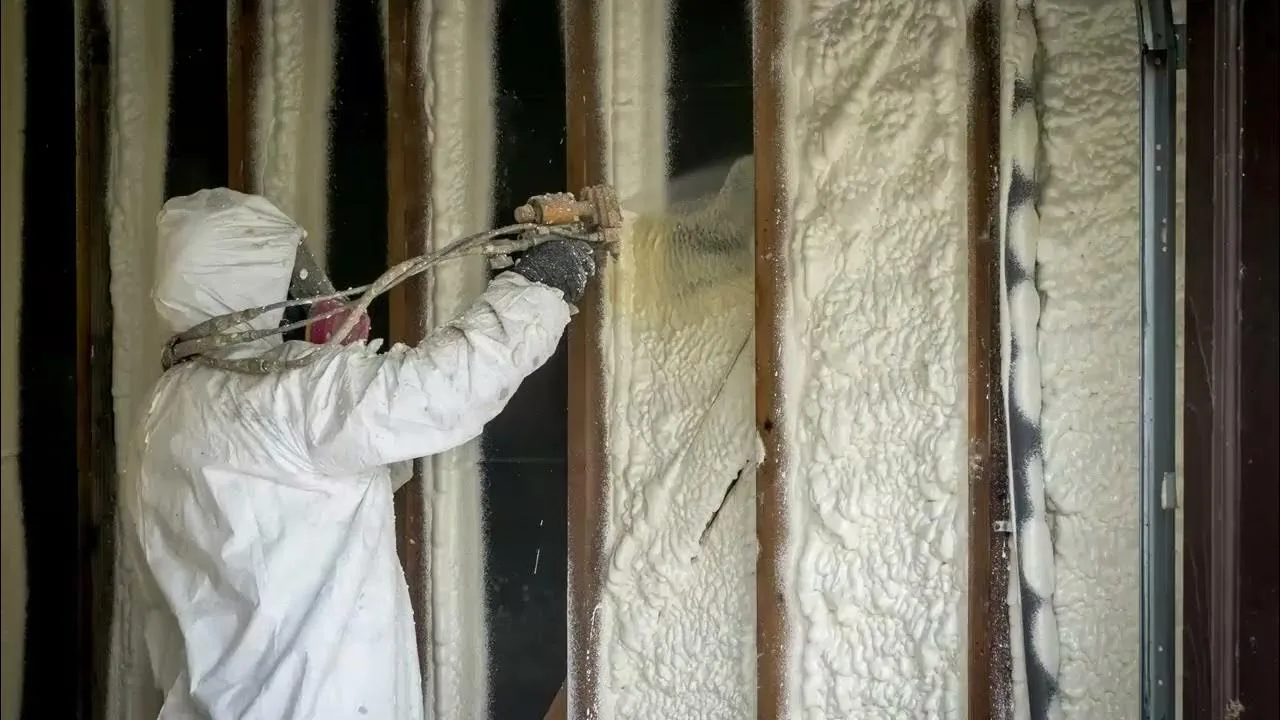
- Following strict safety protocols, including the use of supplied-air respirators and site ventilation.
When you hire a spray foam contractor based on quality, you are paying for the peace of mind that the material will cure correctly. Poorly mixed foam can remain tacky or emit odors indefinitely, requiring expensive professional remediation.
2. Why Equipment Maintenance Matters For Your Project
A reliable foam insulation contractor keeps their rigs and spray guns in top condition to prevent clogs and pressure imbalances. If the two main chemicals are not delivered at the exact same pressure, the resulting foam will be "off-ratio," which compromises its R-value and fire-retardant properties.
Monitoring Systems and Pressure Logs
Modern rigs use computerized sensors to track every gallon of material sprayed. Professionals provide these logs upon request to prove the application meets the manufacturer's specifications. If a spray insulation contractor cannot explain their ratio-monitoring process, they may be cutting corners that could lead to future structural issues.
3. Technical Differences Between Good and Bad Installations
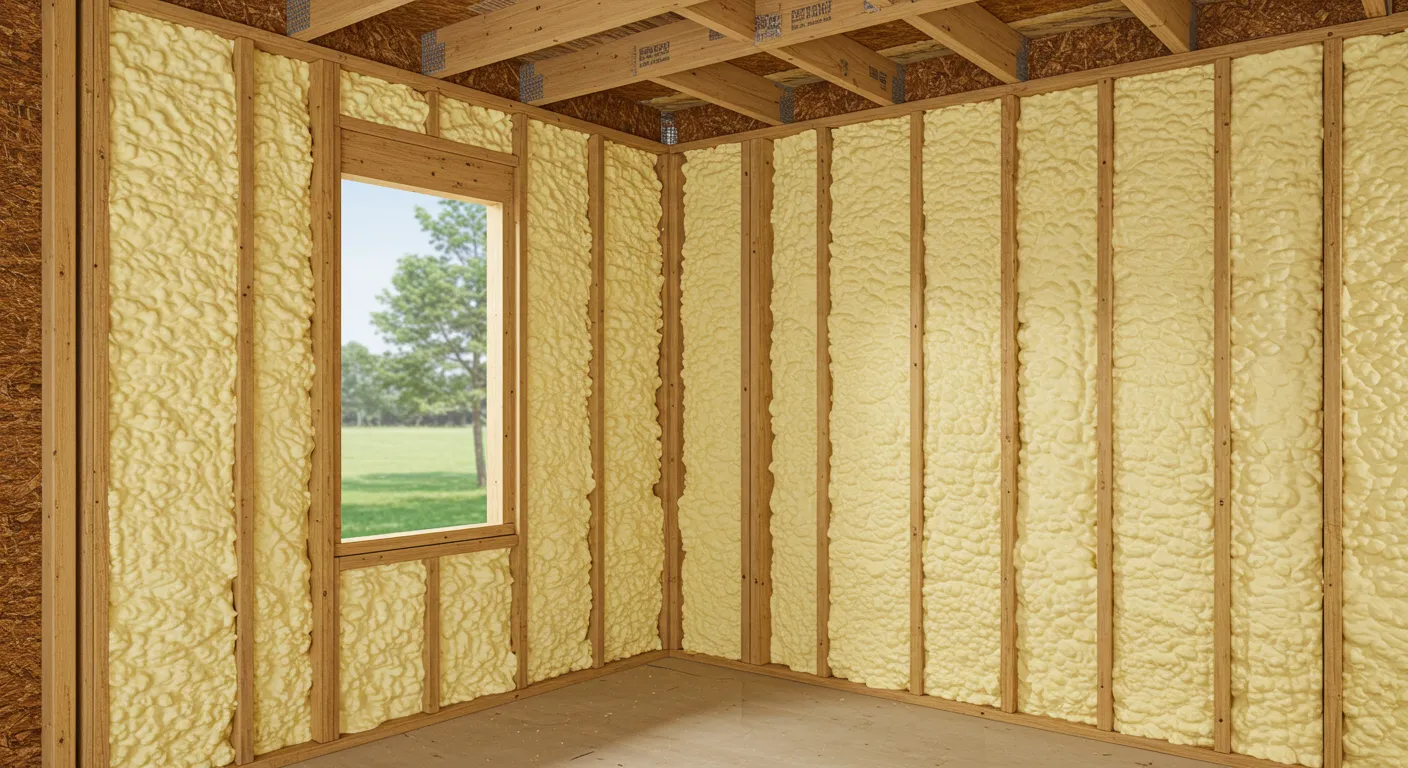
The quality of the final product is often visible to the naked eye if you know what to look for. A professional spray foam insulation contractor ensures a uniform texture and thickness throughout the wall or attic cavity.

Understanding these visual indicators is essential because the quality of the physical bond directly affects how the insulation performs under local environmental stressors.
4. How Do Local Climate Factors Affect Spray Foam Performance?
In Annandale, contractors must account for the specific dew points and cold-weather challenges of Central Minnesota. A local spray insulation contractor knows that applying foam to frosted or damp wood will result in immediate failure as the foam pulls away from the surface.
Managing Cold Weather Applications
Seasoned teams use moisture meters to check the wood before starting. They also pre-heat the work area during winter months to ensure the chemicals react properly upon contact with the building envelope. This attention to detail prevents "cold-cracking" in the foam during the first sub-zero winter night.
5. Planning For Proper Ventilation and Air Exchange
A high-quality spray foam contractor includes a discussion of your home's mechanical ventilation. Because spray foam creates such a tight seal, it can trap moisture and pollutants inside if the house does not have a way to "breathe" through controlled means.
Mechanical Ventilation Integration
A professional foam insulation contractor will:
- Ask about your current HVAC system and air exchange rates.
- Recommend Energy Recovery Ventilators (ERVs) if the house becomes too airtight.
- Ensure gas-fired appliances have dedicated combustion air to prevent backdrafting.
- Perform a "blower door test" to measure actual airtightness and confirm the work was done effectively.
Bonus Tip: A blower door test provides quantifiable data on your home's energy efficiency and ensures your ventilation strategy is perfectly balanced with your new insulation.
6. Seven Things To Check Before Signing a Contract
Before you commit to a project, look for indicators of long-term reliability. A certified spray foam contractor will provide a clear scope of work that includes site cleanup and the removal of all overspray.
Evaluating The Scope Of Work
Consider these factors during your evaluation:
- Does the quote include the removal of old, fiberglass, or cellulose insulation?
- Are they using fire-rated thermal barriers where required by Minnesota building codes?
- Do they have a clear plan for protecting windows, doors, and finished floors?
High spray foam contractor quality is also reflected in the warranty offered. Reliable companies stand behind their labor and the product, offering written guarantees that the foam will not sag or lose its R-value over time.

7. Managing The Risk Of Hidden Costs
The cheapest bid often results in "thinning," where the spray foam insulation contractor applies less material than promised to save on chemical costs. This leaves cold spots in your walls that can lead to condensation and mold growth behind your drywall.
Verification Of Material Depth
Professional teams use depth gauges during application to verify that they meet the R-value requirements for the Minnesota climate zone. They take photos of the process to document that the coverage is consistent in hard-to-reach areas, such as rim joists and vaulted ceilings.
Bonus Tip: Check if the contractor is insured for "pollution liability." Standard general liability insurance sometimes excludes damage caused by chemical off-gassing, so specialized coverage is a sign of a high-tier professional.
8. Final Review Of Key Performance Indicators
Evaluating spray foam contractor quality requires assessing technical preparation, application precision, and safety measures used during the job. A quality installation lowers energy bills by up to 40% and provides a quieter, more comfortable indoor environment.
Selecting The Right Local Expert
Choosing a local spray foam contractor who understands the specific needs of Wright County homes ensures that the materials used are appropriate for the local weather cycles. By focusing on these standards, you avoid the "cheap" fix that eventually requires a total teardown and replacement.
Find Professional Insulation Support For Your Annandale Property
If you want to ensure your home or business is protected by high-quality insulation, consulting with a specialized service provider is the best next step. You can reach out to Peak Spray Foam for expert guidance on residential and commercial projects. Their team handles everything from attic blow-in services to advanced closed-cell applications. To discuss your project or receive a free quote for your insulation needs, contact them at (612) 482-4742 or email [email protected]. Choosing a dedicated provider helps ensure your building envelope is efficient and durable for years to come.
Common Questions About Professional Spray Foam Services
How long should I stay out of my house after spray foam is applied?
Most professionals recommend staying out of the property for 24 hours. This allows the foam to fully cure and ensures all odors and particulates are cleared through the ventilation process.
Does spray foam insulation attract pests or rodents?
No, spray foam does not provide a food source for pests. Because it creates a seamless air barrier, it actually helps keep insects and rodents out by sealing the small cracks they typically use to enter a building.
Can spray foam be applied to an existing finished wall?
While traditional spray foam requires open cavities, some contractors offer injection foam for finished walls. However, for most renovations, it is best to remove the drywall to ensure the foam reaches every corner.
What is the difference between open-cell and closed-cell spray foam?
Open-cell foam is softer and better for soundproofing, while closed-cell foam is dense, waterproof, and adds structural strength. A professional will help you choose the right type based on your specific location.
Will spray foam cause my roof to rot?
Spray foam does not cause rot when installed correctly. A quality contractor ensures there are no leaks in the roof before applying foam and manages moisture levels to prevent water from being trapped against the roof deck.