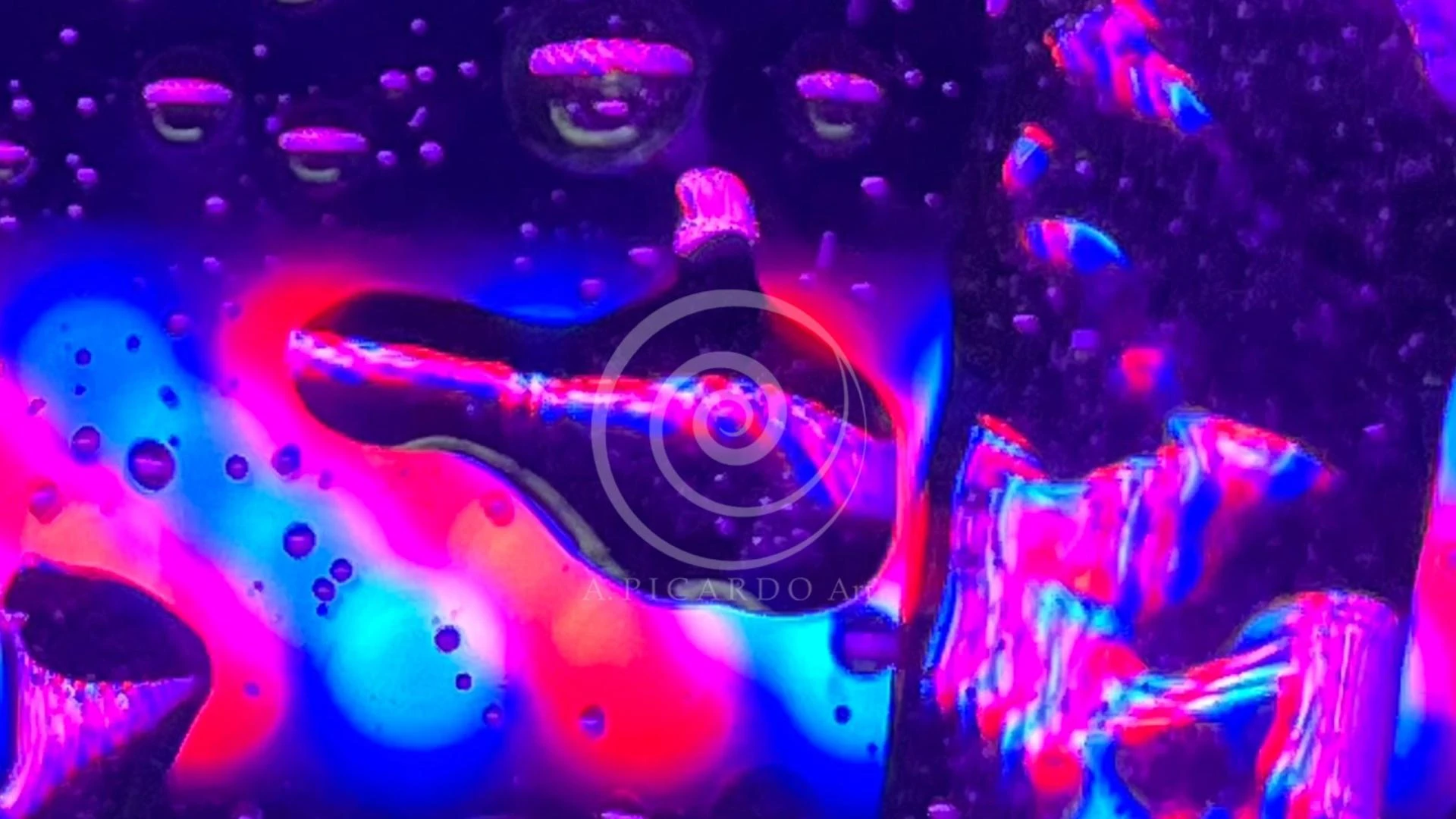
Have you ever stood in front of a piece of art and felt your mind shift? Your eyes get fooled first… and then your brain relaxes. Shapes seem to dance, lines pop out, and colors play tricks, making you pause and simply feel.
That’s the magic of optical illusion abstract art. It nudges you to question what you see and opens your mind to new perspectives. For fans of abstract illusion art for sale, these pieces aren’t just wall décor—they’re mind‑bending triggers that flip your everyday perception upside down.
The Roots of Illusion Art
Illusion art has fascinated humans for centuries. Early examples appear in Greek and Roman mosaics, where patterns tricked the eye into seeing depth or motion. During the Renaissance, artists like Leonardo da Vinci explored perspective and optical tricks to make flat surfaces appear three-dimensional.
In the 20th century, abstract and optical illusion movements emerged, with artists experimenting with shapes, colors, and lines to challenge perception. Today, optical illusion art continues this tradition, blending creativity and psychology to surprise, delight, and engage viewers.
What Makes Illusion Art So Fun?
Most paintings are static. You glance, you get it, you move on. But optical illusion abstract art doesn’t let you walk away so fast. It plays games with:
- Shape and depth
- Contrast and lines
- Color and shadow
You might see a cube that seems three‑dimensional on a flat surface. Or lines that look like they bend or move. That tension between what the eyes see and what the brain expects creates a spark — a kind of internal aha moment.
It’s like flipping a mental switch. For a second, your mind forgets the routine. You stop scrolling. You stay. You feel. And that’s art at its best.
How Illusion Art Frees Your Mind
Think about the last time you were stuck on something — a problem, a worry, a boring routine. When you look at illusion art, your mind has to interpret multiple possibilities. A shape might be two things at once. Colors might pop in unexpected ways. Edges might seem soft or sharp, depending on how you focus.
That mental flexibility is freedom. It’s the same kind of freedom we feel when we laugh at a clever joke, or when a song breaks us out of sadness. Illusion art invites your brain to play.
And when your brain plays, it stops stressing. It stops filtering everything through the same tired grid. It becomes curious again. You see possibilities instead of obstacles.
Where Illusion Art Works Best
You might think illusion art only belongs in galleries. But that’s not the case. Its power makes it awesome in many spaces:
- Living rooms: Adds energy and sparks conversation.
- Entryways: Sets the tone for the whole house.
- Workspaces: Breaks mental tension and boosts creativity.
- Bedrooms and lounges: Offers relaxing visual puzzles before sleep or after a long day.
People often fear abstract works because they feel “too mysterious.” But that mystery is the point — it invites your mind in, rather than forcing you to understand everything instantly. That’s the beauty of abstract illusion art for sale.
How Artists Trick Your Brain
Illusion artists use a few cool tricks:
✦ Ambiguous Shapes
These are shapes that can look like two different things at once. Sometimes you see one form first, then another — and your brain loves that surprise switch.
✦ High Contrast Lines
Sharp black and white lines, or bold edges against soft shadows, make shapes seem to jump out or recede into space. Your eye gets pulled in different directions, and your mind follows the excitement.
✦ Repeating Patterns
Patterns that repeat, but with tiny twists or shifts, create a subtle tension. You think you see rhythm — until the artwork flips the rhythm on you. That’s when your brain perks up.
These techniques may sound simple, but when combined well, they create a powerful visual effect that sticks with you.
How Illusion Art Changes Your Space
Art isn’t just about what hangs on a wall. It’s about the energy of a room. Illusion art changes that energy because it keeps the vibe active.
In a minimalist space, a well‑placed illusion piece becomes the center of gravity. It pulls focus without being loud. In a vibrant space with pattern and texture, it adds another layer of depth. Instead of being a quiet decoration, it becomes a conversation magnet — the thing guests keep coming back to talk about.
What’s wild is that, unlike standard landscape or figurative art, illusion art doesn’t look the same every time you glance at it. In the morning light, it may seem soft. At night, shadows create new surprises. That means your room never really looks the same… it evolves with your experience of it.
Bringing Illusion Art Home
If you’re thinking about choosing pieces for your own space, don’t go for obvious shapes or predictable colors. Pick pieces that challenge your perception. Pieces that make you smile at how clever they are. Pieces that feel like a visual wink.
When you bring optical illusion abstract art into your home, you’re not just decorating — you’re creating a vibe. You’re choosing art that activates your mind, loosens up stress, and adds subtle but powerful energy to every room.
And if you’re looking at abstract illusion art for sale, remember this: choose pieces that make you feel before you understand. That’s the trick… and that’s the freedom.