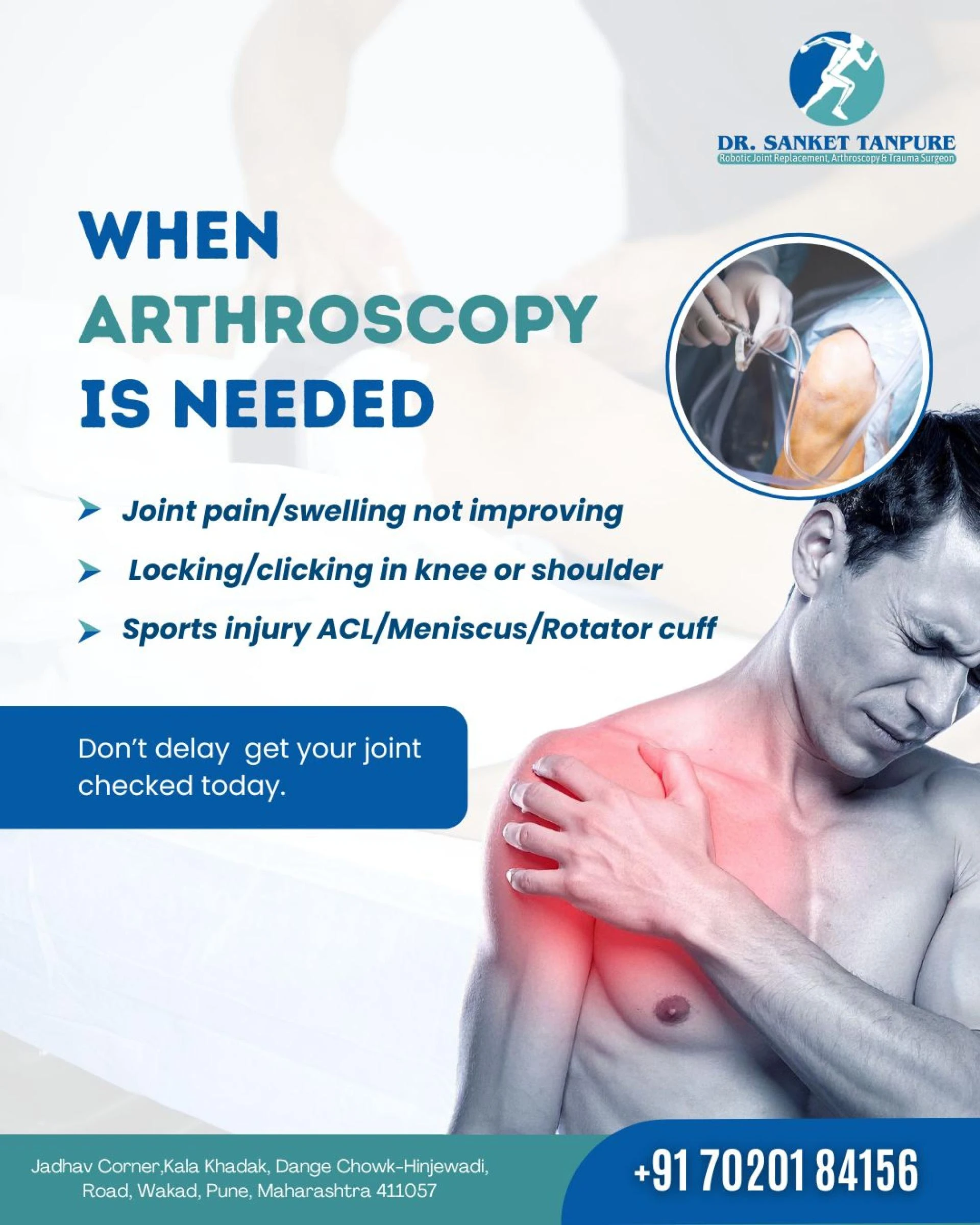
Arthroscopy has become one of the most trusted and advanced procedures in modern orthopedic care. It allows doctors to diagnose and treat joint problems using very small incisions, a camera, and specially designed instruments. Because it is minimally invasive, patients recover faster, experience less pain, and return to routine activities sooner. But many people still wonder: When is arthroscopy actually needed? Understanding the right time to consider this procedure can help you make informed decisions about your joint health and avoid long-term complications.
Arthroscopy is commonly recommended when a person experiences persistent joint pain, swelling, or stiffness that does not improve with basic treatment options such as rest, medicines, and physiotherapy. Many patients initially try home remedies or painkillers, but when the pain continues for weeks or keeps returning, a deeper evaluation becomes necessary. This is especially true for individuals who have suffered a sports injury or sudden twist in the knee, shoulder, or ankle. Visiting an experienced specialist can help identify the underlying issue. In fact, many people consult an orthopedic doctor in Wakad to understand whether their joint discomfort requires simple treatment or an arthroscopic procedure.
One of the most common reasons arthroscopy is needed is a ligament tear. The knee, for example, is highly vulnerable to ACL and meniscus injuries. When these tissues tear, the knee becomes unstable, painful, and swollen. Patients may hear a “pop” at the time of injury or feel their knee giving way during movement. If these symptoms do not settle within a few days, arthroscopy may be the preferred option to repair the damaged structures. Without timely treatment, the injury can worsen and lead to long-term instability or early arthritis.
Cartilage damage is another major concern that often requires arthroscopic treatment. Cartilage acts as a cushion in joints, helping them move smoothly. When the cartilage gets injured due to trauma or wear and tear, patients experience catching, locking, or grinding sensations in the joint. Arthroscopy allows the surgeon to smoothen or repair the damaged cartilage, which helps reduce pain and prevents further deterioration. This is especially important for active individuals, athletes, and older adults who wish to maintain mobility.
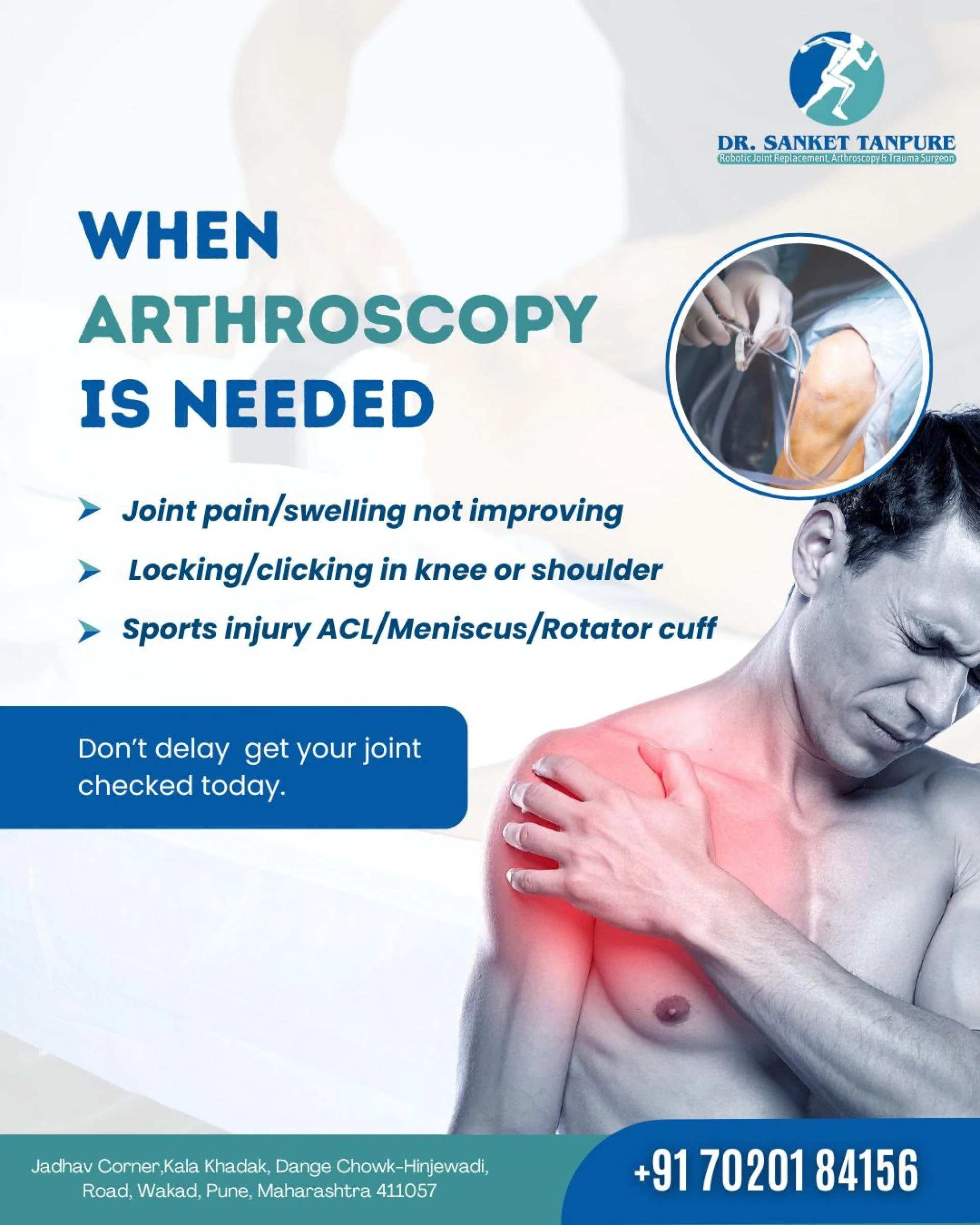
Arthroscopy is also recommended for treating shoulder problems like rotator cuff tears, shoulder instability, and labral injuries. Many people notice pain when lifting the arm, difficulty sleeping on one side, or weakness during daily tasks. When physiotherapy and medications don’t help, arthroscopy can fix the torn tissues and restore shoulder strength. The same applies to ankle injuries where loose bone fragments, ligament tears, or chronic ankle instability make movement difficult. Arthroscopy helps clean up the joint, repair structures, and prevent recurring sprains.
Another situation where arthroscopy becomes necessary is when there are loose fragments inside a joint. These fragments may be pieces of cartilage or bone floating within the joint, causing sharp pain, locking, or sudden restriction of movement. Arthroscopy helps remove these fragments safely without damaging surrounding tissues. Many patients experience immediate relief and improved mobility after the procedure.
Sometimes, arthroscopy is done not just for treatment but also for diagnosis. There are cases where MRI and X-rays do not clearly show the source of pain or problem. In such situations, arthroscopy allows the surgeon to look directly inside the joint and identify issues that other tests may miss. This ensures that the patient receives the correct treatment and avoids unnecessary procedures.
It is important to understand that arthroscopy is not always the first step. Doctors usually recommend it when conservative treatments like rest, medication, injections, and physiotherapy do not give adequate relief. The goal is to avoid surgery when possible, but when pain affects daily activities or quality of life, arthroscopy becomes the safest and most effective option. It helps patients return to work, sports, and normal routines much faster compared to traditional open surgeries.
Choosing the right specialist is crucial when considering arthroscopy. A skilled orthopedic surgeon can accurately diagnose the condition and suggest whether the procedure is actually required. With advanced facilities and growing awareness in Pune, many people now prefer minimally invasive solutions for joint problems. Whether it's a knee injury, shoulder pain, or ankle instability, timely consultation ensures better outcomes and quicker recovery. Many residents in the area trust the best orthopedic surgeon in PCMC, as well as experts across new and growing localities, for accurate evaluation and effective joint care.
As urban lifestyles become busier, people are more prone to injuries, strain, and joint stress. Long sitting hours, lack of exercise, sudden workouts, and poor posture all contribute to joint problems. That is why early diagnosis and timely action are so important. Arthroscopy has proven to be a game-changer for many patients who were struggling with chronic pain or movement restrictions. With smaller cuts, quicker healing, and lower risks, it has become the preferred method for joint treatment worldwide.
If you or someone you know has been dealing with long-term joint pain, swelling, clicking sounds, or difficulty moving the joint, it may be time to seek expert advice. A proper evaluation can help determine whether arthroscopy is the right option or if simple treatment can solve the problem. What matters most is not ignoring the symptoms and taking the first step toward relief.
Wakad orthopedic clinic, knee arthroscopy in Pune, shoulder arthroscopy PCMC, sports injury treatment Wakad, joint pain specialist Pune, minimally invasive joint surgery Pune, arthroscopic surgeon in Wakad
#Arthroscopy #JointCare #OrthopedicCare #WakadHealth #PuneOrthopedics #SportsInjuryTreatment #KneePainRelief #ShoulderPainRelief #ArthroscopicSurgery #PCMCDoctors #HealthyJoints #MovePainFree