Finding the best winery in Willamette Valley isn't just about tracking down a great bottle it's about understanding the vineyards, land, and winemaking philosophies that shape Oregon wine.
Nestled between the Coast Range and the Cascade Mountains, Willamette Valley has earned worldwide recognition for its cool-climate wines, Pinot Noir above all. Its varied soils, mild temperatures, and extended growing season also make it a superb home for Chardonnay and other cool-climate grapes.
For anyone traveling through wine country, this region offers a rare chance to see how land, farming, and winemaking come together in the glass.
What Sets Willamette Valley Wineries Apart
Willamette Valley ranks among Oregon's most celebrated wine regions. Pinot Noir is its calling card, but Chardonnay, Pinot Gris, sparkling wines, and other cool-climate varieties have carved out their own reputations here too.
The valley's temperate climate lets grapes ripen slowly, preserving natural acidity along the way. Vineyard sites vary between volcanic and marine sedimentary soils, which shows up in the glass as differences in structure, aroma, texture, and fruit expression.
Responsible vineyard stewardship is a defining thread throughout the region. Organic, biodynamic, sustainable, and regenerative farming methods are all represented here, making environmental care a core part of what it means to taste wine in Willamette Valley.
Willamette Valley Pinot Noir: Oregon's Defining Wine
Willamette Valley Pinot Noir is prized for the way it balances bright fruit, acidity, texture, and earthy depth.
The valley's cool climate suits Pinot Noir particularly well, giving the grapes time to build flavor gradually while holding onto freshness. Depending on the vineyard and the vintage, you might find notes ranging from red berries and cherries to herbs, earth, spice, and light florals.
Estate-grown Pinot Noir adds another dimension to the experience. When grapes are grown and turned into wine on the same property, visitors get a clearer picture of how soil, elevation, climate, and farming choices shape the final wine.
For many, tasting Pinot Noir right where it was grown is simply a more meaningful way to experience Oregon wine.
In Search of the Best Chardonnay Wine in Willamette Valley
Pinot Noir may get most of the spotlight, but Chardonnay has quietly become a major part of the Willamette Valley story.
The region's cool climate and long growing season give Chardonnay room to develop expressive fruit without losing acidity or freshness. Depending on the site and the winemaker's approach, Willamette Valley Chardonnay can show citrus, orchard fruit, mineral notes, and a refined mouthfeel.
When you're on the hunt for the best Chardonnay wine, look past tasting notes alone. Seek out wines that clearly reflect their vineyard and vintage estate-grown Chardonnay tends to offer the most direct link between the wine and the land it came from.
At Ambar Estate, Chardonnay grows on the estate's own vineyard in the Dundee Hills, where regenerative vineyard management sits at the center of the winegrowing approach.
Organic Chardonnay and Responsible Vineyard Farming
For travelers who care about environmentally conscious wine, organic Chardonnay wine is a chance to explore quality and responsible farming side by side.
Organic vineyard practices can include cover cropping, composting, biodiversity efforts, and natural pest management. Because certifications and practices differ from winery to winery, it's worth looking for clear, specific information about how the grapes are farmed.
Regenerative winegrowing goes a step further, focusing on soil vitality, biodiversity, ecosystem resilience, and long-term land stewardship.
At Ambar Estate, regenerative farming isn't an add-on it's the foundation. The estate's 20-acre vineyard in the Dundee Hills holds Regenerative Organic Certified® status, tying both its Chardonnay and Pinot Noir to a documented, accountable approach to vineyard management.
How to Choose the Best Winery in Willamette Valley
There's no single "best" winery for every visitor the right choice depends on your taste preferences, the kind of wine you enjoy, and the experience you're after.
Estate-Grown Wines
Estate-grown wines create a direct line between vineyard and bottle, letting you learn exactly where the grapes were grown and how they were farmed.
A Tasting Experience Worth Remembering
The best tastings go beyond simply pouring a flight. Look for hosts who walk you through the vineyard, the vintage, the winemaking process, and the philosophy behind each bottle.
Reservation-based tastings tend to offer a quieter, more personal setting for this kind of experience.
The Vineyard Setting Itself
Part of visiting Willamette Valley is simply being there rolling vineyards, forested hillsides, and sweeping valley views set the scene for tasting and learning.
Areas like the Dundee Hills, Eola-Amity Hills, and Ribbon Ridge each bring their own distinct landscape and character.
Farming Practices and Certifications
If sustainable, organic, or regenerative wine matters to you, look for wineries that are transparent about their farming methods.
Certifications add helpful context, but honest, detailed information about soil health, biodiversity, and long-term stewardship matters just as much.
What to Expect From a Dundee Oregon Wine Tasting
A Dundee Oregon wine tasting puts you in one of the state's most recognized wine-growing areas.
The Dundee Hills are best known for Pinot Noir, though local wineries also produce excellent Chardonnay and other cool-climate wines. Visitors can taste through a range of styles while taking in vineyard views and learning what shapes each vintage.
If regenerative or organic winegrowing is a priority for you, seek out estates that are open about their farming practices — it tends to make the visit more informative overall.
A Closer Look at Dundee Hills Oregon Wineries
Dundee Hills Oregon wineries offer a range of hospitality styles, from intimate, reservation-only tastings to more expansive vineyard experiences.
The area's elevated sites and distinctive soils give the wines here their signature freshness, structure, and complexity. Visiting a few different estates makes it easy to see how location and winemaking decisions shape both Pinot Noir and Chardonnay.
Trying several wineries in one trip is also a good way to figure out which wine styles, farming philosophies, and tasting formats suit you best.
Ambar Estate: A Dundee Hills Destination
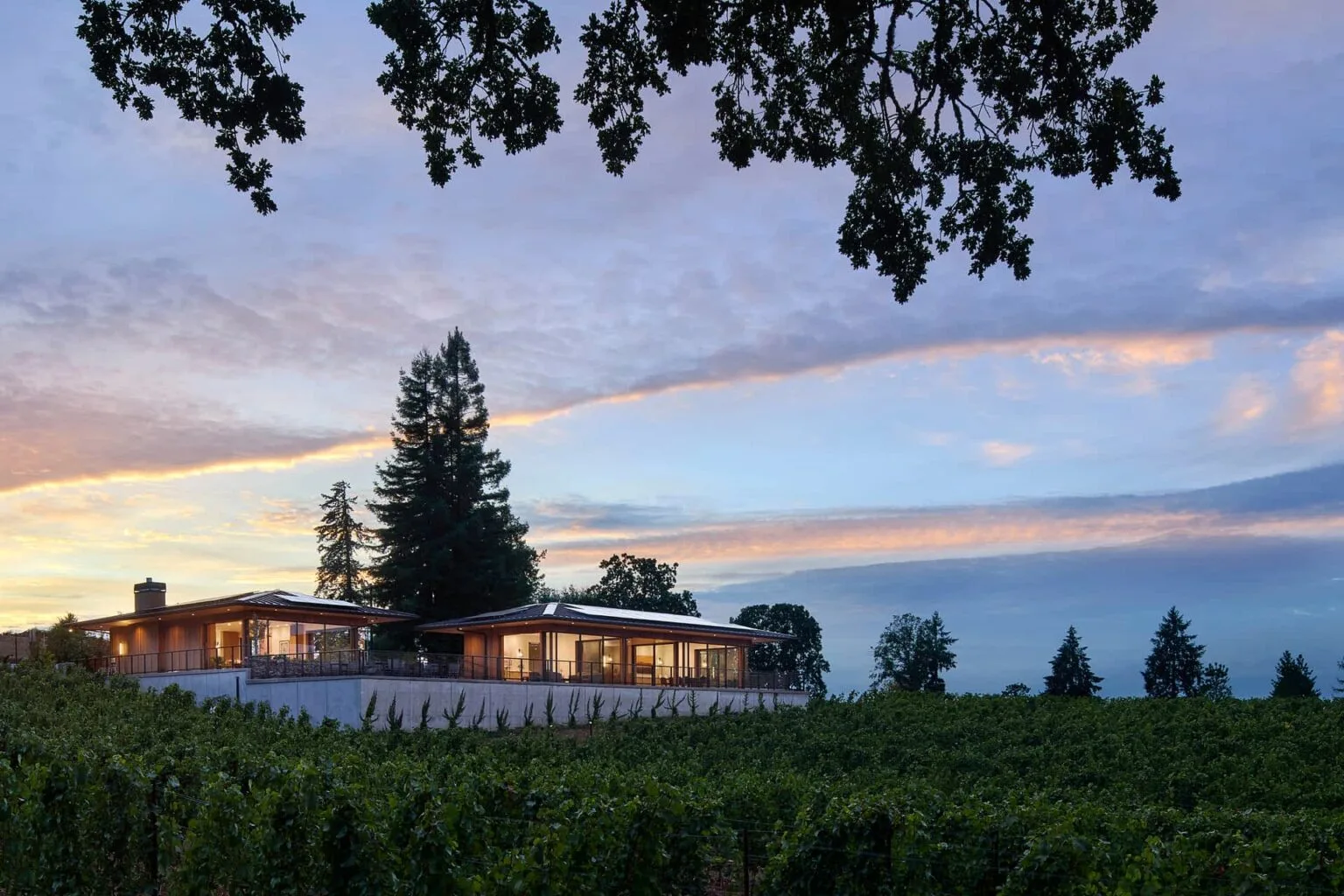
Ambar Estate offers a distinctive way to experience Willamette Valley wine, straight from its estate vineyard in the Dundee Hills.
The 20-acre vineyard holds Regenerative Organic Certified® status, a reflection of the estate's commitment to soil health, biodiversity, and responsible land stewardship.
Ambar Estate produces estate-grown Pinot Noir and Chardonnay with a focus on letting the vineyard and the Dundee Hills speak through the wine. Visiting means tasting in a setting directly tied to where the grapes are grown.
For anyone curious about how regenerative farming translates into what's in the glass, a visit here offers a firsthand look.
Planning Your Oregon Wine Tasting Tour
An Oregon wine tasting tour works well as a day trip from Portland or as the centerpiece of a longer Willamette Valley getaway.
Sticking to one wine-growing area the Dundee Hills, for example keeps your itinerary relaxed and cuts down on drive time between stops.
Each season brings something different: spring means fresh vineyard growth and flowering cover crops, summer is ideal for outdoor tastings, and September and October bring the buzz of harvest.
Reservations are strongly recommended, especially at boutique wineries — booking ahead helps lock in your preferred time slot and makes for a smoother day.
So, What Is the Best Wine in Willamette Valley?
The best wine in Willamette Valley really comes down to personal taste. Some visitors lean toward elegant, structured Pinot Noir; others prefer the crisp texture of Chardonnay.
Rather than chasing awards or popularity, pay attention to the vineyard, the farming approach, the vintage, and the winemaking style behind each bottle.
Tasting across different estates is still one of the best ways to understand how the Willamette Valley expresses itself through its many vineyards.
Experience the Best of Willamette Valley Wine Country
Willamette Valley is about far more than Pinot Noir it's a region where climate, soil, farming, and craftsmanship come together to create wines with real sense of place.
Whether you're after the best Chardonnay wine, curious about organic Chardonnay, eager to taste Willamette Valley Pinot Noir, or simply planning a Dundee Oregon wine tasting, this region offers countless ways to explore Oregon wine.
For travelers drawn to estate-grown wines and regenerative farming, Ambar Estate in the Dundee Hills is a place to experience both Pinot Noir and Chardonnay, alongside the vineyard and philosophy behind them.
Frequently Asked Questions
What is the best winery in Willamette Valley?
It depends on your preferences. Consider wine style, the tasting experience, vineyard setting, whether wines are estate-grown, farming practices, certifications, and overall hospitality when deciding where to visit.
What is Willamette Valley best known for?
Pinot Noir, above all. The region also produces excellent Chardonnay, Pinot Gris, sparkling wines, and other cool-climate varieties.
What makes Willamette Valley Pinot Noir special?
The cool climate, varied soils, and long growing season help the grapes develop vibrant fruit, natural acidity, structure, and complexity.
Where can I find the best Chardonnay wine in Willamette Valley?
Many wineries across the valley produce Chardonnay from distinct vineyard sites. Comparing estate-grown bottlings is a great way to see how the wine varies by location.
What is organic Chardonnay wine?
Chardonnay made from grapes grown under organic vineyard practices. Since specific methods and certifications vary by producer, it's worth checking each winery's farming details directly.
Are Dundee Hills wineries good for wine tasting?
Yes Dundee Hills is one of Oregon's best-known wine-growing areas, with wineries producing Pinot Noir, Chardonnay, and other cool-climate wines, many by reservation.
What is the best time for an Oregon wine tasting tour?
Late spring through fall is the sweet spot. Spring brings fresh vineyard growth, summer is great for outdoor tastings, and fall brings the energy of harvest.
Do Willamette Valley wineries require reservations?
Many boutique wineries operate by reservation, especially on weekends and during busy travel periods, so booking ahead is a good idea.