
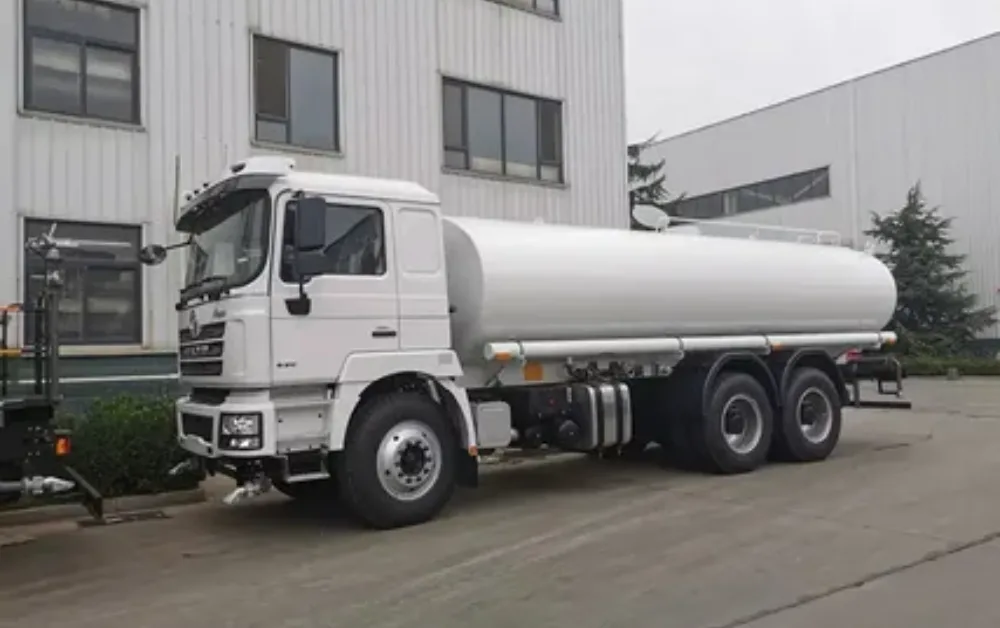
A reliable water supply is essential for many businesses, construction sites, commercial properties, and industrial operations. Interruptions or inconsistent delivery can affect daily activities, project timelines, and overall efficiency. Choosing dependable commercial water suppliers therefore requires more than simply comparing prices. Businesses should consider water quality, delivery reliability, capacity, service flexibility, and overall value before making a decision.
Check Water Quality Standards
Water quality should be one of the first factors to consider. Businesses need confidence that the supplied water meets the appropriate quality and safety requirements for its intended use.
Before choosing a supplier, ask about their water sourcing, treatment processes, storage practices, and quality checks. Clear information about these areas can help businesses make a more informed decision and avoid potential concerns later.

Consider Delivery Reliability
A supplier may offer good-quality water, but that is not enough if deliveries are frequently delayed. Consistent supply is particularly important for businesses that depend on water for daily operations or projects working within strict schedules.
Look for a provider with a reliable delivery system and the ability to meet agreed schedules. A dependable service can help businesses maintain their workflow without unnecessary interruptions.
Evaluate Available Water Capacity
Different businesses have different water requirements. A small commercial property may need regular deliveries in moderate quantities, while construction projects or industrial facilities may require significantly larger volumes.
Before selecting a supplier, determine your average and peak water requirements. The supplier should have sufficient capacity to handle your needs, especially during periods when demand increases.
Review Delivery Options
Flexibility can make water supply services much easier to manage. Some businesses may require scheduled deliveries, while others may need additional quantities during busy periods or urgent situations.
Ask whether the supplier can accommodate different delivery schedules and quantities. A flexible approach allows businesses to adjust their supply according to changing operational requirements instead of being restricted by a rigid arrangement.
Compare Pricing and Overall Value
Price is naturally an important consideration, but the cheapest option is not always the most practical. Businesses should look at what is included in the quoted price, such as transportation, delivery frequency, quantity, and service support.
Comparing the overall value can provide a clearer picture of the long-term cost. A slightly higher price may be worthwhile if it comes with better reliability, consistent quality, and responsive service.
Look at Supplier Experience
Experience can provide additional confidence when choosing a water provider. An established supplier may have a better understanding of different commercial requirements and delivery challenges.
Consider whether the provider has experience serving businesses with requirements similar to yours. Good communication and professional handling can also make ongoing supply arrangements easier to manage.
Assess Customer Support
Effective communication matters when water deliveries are part of your regular operations. Customers should be able to contact the supplier easily when they need to adjust schedules, discuss quantities, or resolve delivery-related concerns.
Responsive customer support can save time and help prevent small issues from becoming larger operational problems.
Conclusion
Choosing the right water supplier involves looking beyond price. Water quality, delivery reliability, capacity, flexibility, experience, and customer support all contribute to a dependable supply arrangement.
Businesses seeking professional water delivery solutions can explore the services offered by Al Merzaam Environmental & Transport LLC. Selecting a supplier that understands your requirements can help maintain smooth operations and dependable water availability.