Staying fit is important for maintaining a healthy and active lifestyle. However, finding time for exercise is not always easy. Busy work schedules, family responsibilities, travelling, and personal commitments can make regular gym visits difficult. Some people also feel uncomfortable exercising in crowded fitness centres or following workout routines without professional guidance.
In-home EMS personal training offers a convenient way to exercise without leaving home. EMS stands for Electrical Muscle Stimulation, a training method that uses controlled electrical impulses to activate muscles during physical movements. When combined with personal training, it provides a guided workout that can be adjusted according to individual fitness levels and goals.
But is this training suitable for everyone? From busy professionals to older adults, different people may find it useful depending on their needs and physical condition. Let's explore who can benefit from this training approach and what makes it a convenient fitness option.
What Is In Home EMS Personal Training?
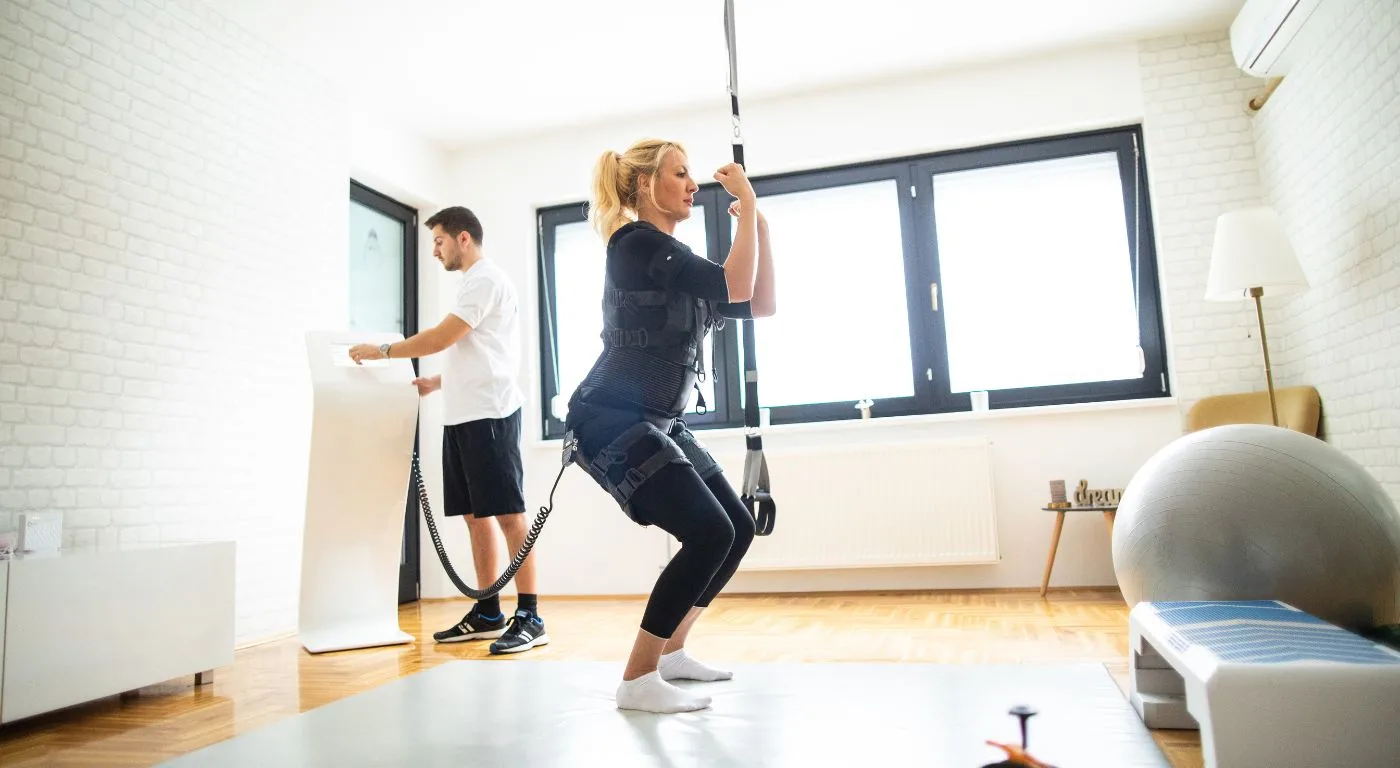
EMS training uses special wearable equipment that sends controlled electrical impulses to selected muscles. These impulses create muscle contractions while a person performs simple exercises under professional supervision.
In-home EMS personal training brings this workout experience directly to your home. Instead of travelling to a gym, you can exercise in a familiar environment with guidance from a trained professional.
The trainer adjusts the workout according to your fitness level, physical ability, and goals. This makes it easier to follow a planned exercise routine while receiving individual attention.
Who Can Benefit from In Home EMS Personal Training?
Different people have different fitness needs. In home personal training for EMS can be an option for several groups who want a more convenient and guided way to exercise.
1. Busy Professionals
People with demanding jobs often struggle to find time for fitness. Long working hours, meetings, and daily travel can leave little time for regular workouts.
In-home EMS training can make exercise easier to manage because there is no need to travel to a gym. Sessions can be planned around work commitments, helping professionals include physical activity in their daily routine.
It also provides one-to-one guidance, allowing individuals to follow a structured workout without spending time planning exercises themselves.
2. People Who Want to Improve Muscle Strength
Muscle strength plays an important role in everyday activities, including walking, lifting objects, climbing stairs, and maintaining good posture.
EMS training uses electrical stimulation alongside physical movements to activate muscles. It can support muscle conditioning when included in a suitable exercise programme.
In home personal training for EMS may be helpful for people who want to work on muscle strength with professional guidance. The trainer can adjust the exercise intensity according to individual ability and progress.
3. Older Adults Who Want to Stay Active
As people grow older, maintaining muscle strength and physical movement becomes increasingly important. Changes in strength, balance, and flexibility can sometimes make everyday activities more difficult.
A suitable exercise routine can help older adults stay active and maintain their ability to perform daily tasks. Home-based training also removes the need to travel to a fitness centre.
However, older adults should receive medical advice before starting EMS, especially if they have existing health conditions or use implanted electronic devices. Training should always be supervised and adjusted to their physical abilities.
4. Fitness Beginners
Starting a new fitness routine can feel challenging for people who have little exercise experience. Gym equipment, unfamiliar exercises, and crowded spaces may make beginners uncomfortable.
In-home personal training provides a relaxed environment where beginners can learn at their own pace. A trainer explains each movement, checks exercise techniques, and helps individuals understand how the equipment works.
This approach can help beginners feel more confident and develop a regular exercise habit without unnecessary pressure.
5. Parents and People with Family Responsibilities
Parents and caregivers often have busy routines. Looking after children, managing household work, and handling professional responsibilities can make it difficult to find time for personal fitness.
In home personal training for EMS offers flexibility because sessions take place at home. People can plan their workouts around family responsibilities without spending extra time travelling.
This convenience can make it easier to give personal health and fitness the attention they deserve.
6. People Looking for Personalised Fitness Guidance
Every individual has different fitness goals. Some want to improve strength, while others want to maintain general fitness or build a more active lifestyle.
Following the same workout plan as everyone else may not always be suitable. Personal training allows the workout to match individual needs.
A trainer can monitor exercise performance, adjust stimulation levels, and suggest suitable movements. This individual attention can make training more organised and easier to follow.
7. People Who Prefer Exercising at Home
Not everyone enjoys working out in a gym. Some people prefer privacy, while others may have limited transport options or simply feel more comfortable at home.
Home-based EMS training allows individuals to exercise in a familiar space without investing in several large fitness machines. The trainer brings the required equipment and provides guidance during the session.
For people who value comfort and convenience, this can be a practical way to include exercise in their routine.
Main Benefits of In Home EMS Personal Training
In-home EMS training combines personal guidance, convenience, and muscle stimulation. Some of its main advantages include:
- Saves travel time: Exercise at home without travelling to a fitness centre.
- Personal attention: Receive guidance based on your fitness level and goals.
- Flexible scheduling: Arrange sessions around work and family responsibilities.
- Comfortable environment: Exercise in a familiar and private space.
- Adjustable workouts: Training intensity can be changed according to individual needs.
These benefits can make exercise easier to manage. However, results depend on factors such as training consistency, physical condition, nutrition, and recovery.
Who Should Be Careful Before Starting EMS Training?
Although EMS training may suit many people, it is not suitable for everyone. Individuals with certain medical conditions should speak with a healthcare professional before starting.
People with pacemakers or other implanted electronic devices, certain heart conditions, pregnancy, seizure disorders, or other relevant health concerns may need to avoid EMS training or obtain specific medical clearance.
Anyone recovering from surgery or dealing with an injury should also seek professional advice. A qualified trainer should check suitability, explain the equipment, and select an appropriate intensity.
Safety should always be the priority. Stop exercising if you experience unusual pain, dizziness, or severe discomfort.
How Often Should You Do EMS Training?
The right training schedule depends on your fitness level, health, and recovery needs. EMS can place considerable demands on muscles, even when the exercises appear simple.
Beginners should start gradually and follow the trainer's recommendations. Adequate recovery between sessions is important for allowing muscles to rest.
Walking, cycling, and other suitable physical activities can also support a balanced fitness routine. Instead of focusing only on workout frequency, individuals should aim for safe and consistent progress.
Things to Consider Before Booking an EMS Session at Home
Before starting in-home EMS training, consider the following points:
- Check the trainer's qualifications and experience with EMS equipment.
- Discuss your fitness goals and medical history before the first session.
- Understand how the equipment works and how the intensity is adjusted.
- Make sure you have enough space at home for comfortable movement.
- Follow the trainer's instructions and allow enough recovery time.
Choosing a suitable trainer and understanding the process can help make your training experience safer and more comfortable.
Summary
In-home EMS personal training can be a convenient fitness option for busy professionals, beginners, older adults, parents, and people who prefer exercising in a private environment. It combines professional guidance with electrical muscle stimulation to support individual fitness goals.
In home personal training for EMS allows suitable individuals to follow a structured workout without travelling to a gym. However, choosing a qualified trainer, understanding personal health needs, and allowing enough recovery time are important for a safe experience.
If you want to make fitness a regular part of your lifestyle, SilaFit can help you explore personalized EMS training options. With the right guidance and a suitable workout plan, you can take a more organised approach towards staying active and improving your overall fitness.
Frequently Asked Questions
1. Is in-home EMS personal training suitable for beginners?
Yes, beginners may be suitable candidates for in-home EMS training after a proper assessment. A qualified trainer can explain the equipment, introduce simple movements, and adjust the intensity according to individual fitness levels.
2. Can EMS training help improve muscle strength?
EMS training stimulates muscles through controlled electrical impulses during exercise. It may support muscle conditioning and strength development when combined with suitable movements, professional supervision, and a balanced fitness routine.
3. How long does an in-home EMS training session take?
EMS sessions are generally shorter than many traditional workouts, although the exact duration depends on the programme and individual needs. Your trainer can recommend a suitable session length based on your fitness level.
4. Can older adults participate in EMS training?
Some older adults may benefit from supervised EMS exercise as part of a suitable fitness programme. However, medical clearance is important, particularly for those with existing health conditions or implanted electronic devices.
5. Do I need gym equipment for in-home EMS training?
No, EMS training generally uses specialised wearable equipment and requires limited space for basic movements. The trainer usually brings the necessary equipment, allowing you to complete your session comfortably at home.