
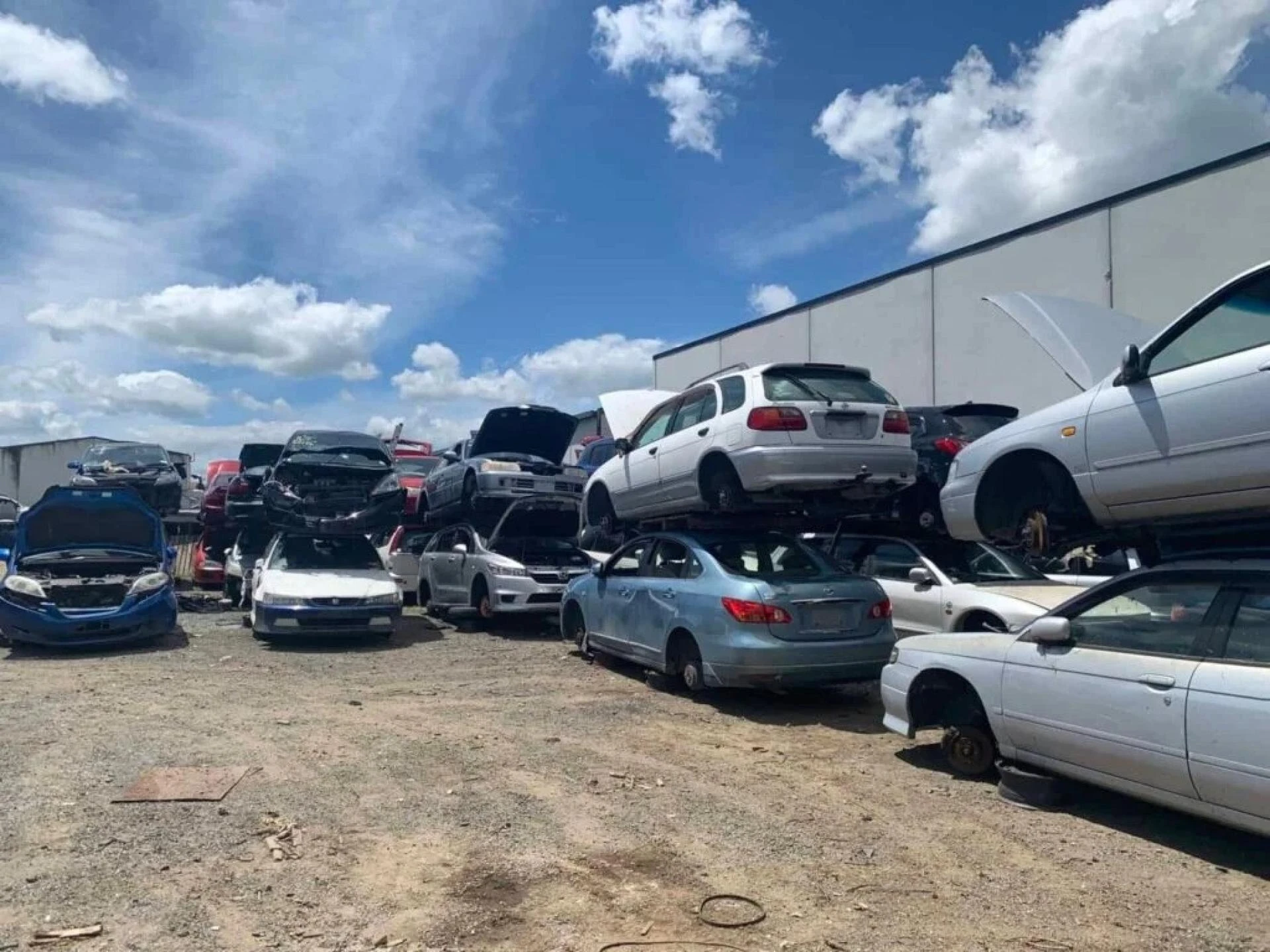
Selling an old, wrecked, or unwanted car in Sydney can often pose one very important question: do you or the car wrecker handle the paperwork? Car owners are often concerned about transfer papers, rego cancellation, and legal obligations following disposal. The best part is that licensed auto wreckers Sydney make it easier by taking care of most of the paperwork involved in car disposal, making it less complicated than most people think.
This article will help you understand what paperwork is required, who is responsible for it, and how licensed car wreckers in Sydney make it easier for you to follow NSW regulations.
Understanding Car Disposal Paperwork in NSW
When a car finally reaches the end of its life, whether it's old, wrecked, damaged in an accident, or unregistered, it has to be disposed of in accordance with NSW Transport and environmental regulations.
Car disposal paperwork is necessary to ensure that:
- Ownership of the car is transferred
- You are no longer responsible for the car
- Rego cancellation is done correctly (if applicable)
- The car is dismantled and recycled properly
In Sydney, most of this is taken care of when you work with a licensed and authorized car wrecker.
What Paperwork Is Required When Disposing of a Car in Sydney?
The type of paperwork that is required will depend on whether the vehicle is registered or unregistered, but will include:
- Proof of ownership of the vehicle
- Vehicle identification number/engine number
- Cancellation of registration (if the vehicle is registered)
- Receipt or disposal certificate from the wrecker
You are not required to complete a full RMS ownership transfer when selling your car to a licensed wrecker. This is not the case when selling your car to a private buyer.
Who Handles the Paperwork – You or the Wrecker?
Professional car wreckers in Sydney handle most of the paperwork, which includes:
1. Vehicle Disposal Records - Licensed car wreckers are obliged to maintain records of the vehicles they handle for compliance and auditing. This includes VIN, engine number, and seller verification.
2. Rego Cancellation Guidance - If your vehicle is still registered, the wrecker will:
- Guide you on rego cancellation
- Offer supporting documentation such as a receipt or disposal document
- Assist you on how to claim your remaining rego refund from Transport for NSW
Some wreckers will even walk you through the rego cancellation process.
3. Legal Proof of Sale - After the vehicle has been collected, the wrecker will issue a receipt or proof of disposal, which verifies:
- The vehicle has been sold
- Responsibility for the vehicle has been transferred
- The vehicle will be dismantled or recycled in accordance with the law
- This document safeguards you against any future claims.
4. Environmental & Recycling Compliance - Sydney car wreckers will handle all environmental paperwork, including the proper disposal of:
- Oils and fluids
- Batteries
- Air-conditioning gases
- Scrap metal and recyclable parts
This is done to ensure that NSW environmental regulations are met. This is something that you, as a private seller, cannot handle.
What You Are Responsible For
Although wreckers will take care of everything, car owners are still responsible for a few things:
1. Proof of Identity - You will be asked to provide:
- Driver’s license or photo ID
- This is necessary to avoid car theft and fraud.
2. Proof of Ownership - This may include:
- Registration documents
- Old insurance cards
- A purchase receipt
Even if you don’t have these, most wreckers can still assist you after checking.
3. Rego Plates (If Applicable) - If your car is registered, you will need to:
- Remove the number plates
- Return them to Service NSW
- Claim any rego refund yourself
The wrecker will walk you through the process.
What If the Car Is Unregistered or Written Off?
For unregistered, accident-damaged, or written-off cars, the process is even easier:
- No rego transfer is required
- No plate return is necessary
- The wrecker handles disposal paperwork completely
You simply need to prove ownership and provide identification.
Why Using a Licensed Sydney Car Wrecker Is Important
Using a licensed car wrecker is very important for your legal and financial protection. Licensed car wreckers:
- Comply with NSW transport and environmental regulations
- Issue proper receipts and paperwork
- Protect sellers from potential future problems
- Recycle and dispose of cars properly
- Have insurance for the collection and transportation of vehicles
Debunked Car Disposal Paperwork Myths in Sydney
Myth 1: I need to go to Service NSW before selling my car
→ This is not true. Most of the paperwork is done after the car has been collected.
Myth 2: It is risky to sell to a wrecker
→ This is false, as long as the wrecker is licensed and has the paperwork.
Myth 3: There are extra fees for paperwork
→ This is not true. Reputable wreckers do not charge any fees for paperwork or transfer.
How to Ensure a Smooth Paperwork Process
To ensure that you do not encounter any problems:
- Make sure you choose a licensed car wrecker in Sydney
- Have basic ID documents available
- Make sure that you have removed any personal belongings from the car
- Request a receipt or disposal confirmation
Make sure that you follow the steps for rego cancellation if necessary
Final Thoughts
So, who takes care of the paperwork involved in car disposal in Sydney—you or the wrecker? The answer is simple: licensed car wreckers take care of almost all of it. Whether it is disposal paperwork, environmental issues, sale proof, or rego advice, licensed Sydney wreckers will make car disposal legal, easy, and hassle-free. Your job is minimal—just verify ownership, produce identification, and act on rego cancellation advice.
If you are looking to dispose of your old, damaged, or unwanted car in Sydney, engaging a reliable car wrecker will ensure your car is disposed of in a responsible manner, your paperwork is in order, and your obligations come to an end the moment the car is collected.