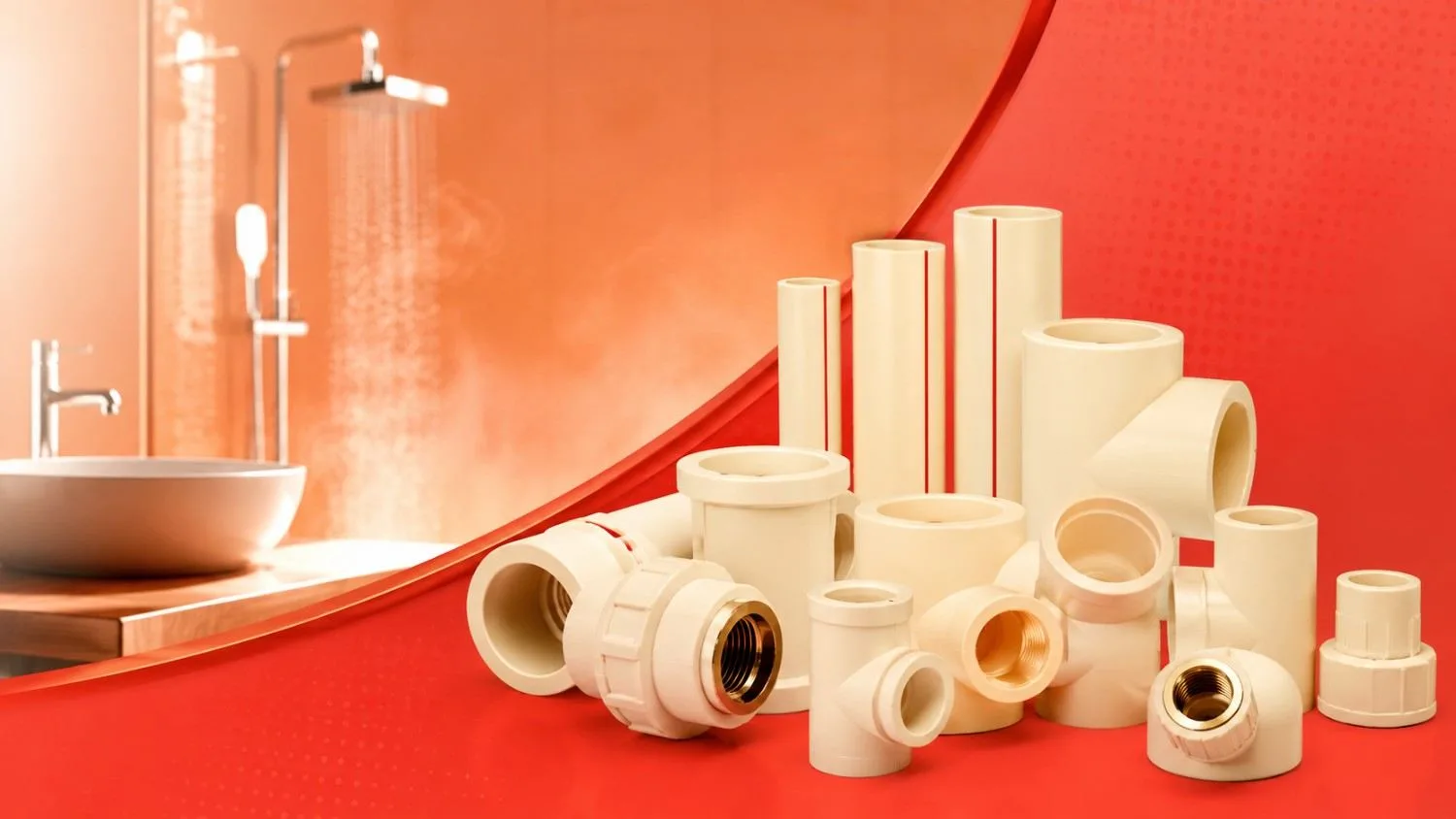
When it comes to plumbing a home or a commercial building, choosing the right pipes and fittings is one of the most important decisions you will make. Many people assume that PVC pipes can handle any job, including hot water lines. But this is not true. PVC is not designed to carry hot water safely over a long period. This is where CPVC pipe fittings come in as the smarter, safer, and more reliable choice.
In this post, we will explain why CPVC pipe fittings are better than PVC for hot water applications, and why brands like StarmaX Pipes and Fittings are trusted by plumbers and homeowners across the country.
Understanding the Basic Difference Between PVC and CPVC
PVC, or Polyvinyl Chloride, is a common plastic material used mainly for cold water lines, drainage systems, and irrigation. It is affordable and easy to install, but it has a low tolerance for heat. When exposed to hot water for a long time, PVC pipes can soften, warp, or even crack.
CPVC, or Chlorinated Polyvinyl Chloride, is made through an additional chlorination process. This process changes the molecular structure of the plastic, making it much stronger and more heat-resistant. This is why CPVC pipes and fittings are specifically manufactured for hot water systems, both in homes and industries.
1. Higher Heat Resistance
The biggest reason CPVC pipe fittings work better for hot water lines is their heat tolerance. Standard PVC can handle water temperatures up to around 140°F, but CPVC can safely handle temperatures up to 200°F or more. This makes CPVC ideal for water heaters, boilers, and other hot water systems where temperatures often rise well above what PVC can bear.
If you use PVC in a hot water line, over time the pipe may lose its shape or strength, leading to leaks and even bursts. CPVC pipe fittings, on the other hand, stay stable and strong under continuous heat exposure.
2. Better Pressure Handling at High Temperatures
Pipes do not just carry hot water; they also need to handle water pressure. As temperature rises, most plastics lose some of their pressure-bearing capacity. PVC loses strength quickly as heat increases, but CPVC maintains a much higher pressure rating even at elevated temperatures. This means CPVC pipe fittings are far less likely to fail under the combined stress of heat and pressure, which is common in residential and commercial hot water systems.
3. Longer Service Life
Because CPVC is built to handle heat and pressure together, it naturally lasts longer than PVC in hot water applications. Homeowners who install CPVC pipe fittings often see decades of reliable service without major issues. This long lifespan reduces the need for frequent repairs or replacements, saving both time and money in the long run.
Brands such as StarmaX Pipes and Fittings manufacture CPVC products using high-quality raw materials and strict quality checks, which further improves durability and performance.
4. Resistance to Corrosion and Chemical Damage
Metal pipes like copper can corrode over time, especially when exposed to certain water conditions. CPVC does not corrode. It also resists a wide range of chemicals that may be present in water systems. This makes CPVC pipes and fittings a safe and long-term solution, whereas PVC, though also chemical resistant, simply cannot match CPVC's performance under hot water conditions.
5. Safe for Drinking Water Systems
CPVC pipe fittings are approved for use in potable water systems, meaning they are safe for carrying drinking water, even hot water used in kitchens and bathrooms. This makes CPVC a preferred choice for both hot and cold water distribution in many homes, as it allows plumbers to use a similar type of material throughout the system while still meeting hot water safety standards.
6. Easier Installation Compared to Metal Pipes
While comparing CPVC with PVC is important, it is also worth mentioning that CPVC is much easier to install than metal alternatives like copper. It uses a simple solvent cement joining process, similar to PVC, but designed to handle the specific properties of CPVC material. This makes installation faster and more cost-effective, especially when using trusted products like StarmaX Pipes and Fittings, which are designed for smooth, leak-free jointing.
7. Cost-Effective in the Long Run
Although CPVC pipe fittings may cost slightly more than standard PVC, the long-term savings are significant. Fewer replacements, fewer repairs, and a longer service life all add up to better value over time. When you consider the risks of using PVC for hot water, including leaks, cracks, and potential water damage, investing in proper CPVC pipes and fittings is a wise decision.
Final Thoughts
When it comes to hot water lines, PVC simply is not built for the job. CPVC pipe fittings offer better heat resistance, stronger pressure handling, longer service life, and safer performance for both homes and businesses. Choosing a reliable brand like StarmaX Pipes and Fittings ensures that you get high-quality CPVC pipes and fittings that are built to last.
If you are planning a new plumbing system or upgrading an old one, make the smart choice. Choose CPVC pipe fittings for your hot water lines and enjoy peace of mind for years to come.