Senior residents in retirement centers often need careful planning to maintain hygiene and comfort daily. Incontinence affects many aging residents and requires discreet and reliable products for proper daily care.
Proper healthcare linen selection matters for facility hygiene and resident dignity. High quality healthcare linens like hospital sheets, adult bibs, and hospital blanket items support care plans. Bloom Linen offers sturdy products at wholesale rates for retirement centers seeking reliable supplies.
This blog explains why specific pad designs and related items matter in routines and how administrators manage procurement robustly.
Key Takeaways
- Proper pad choice protects bedding and reduces laundry workload in busy facilities daily.
- Reusable pads lower supply costs and environmental waste through predictable laundering cycles.
- Comfortable materials support dignity and reduce skin irritation during frequent changes.
- Standardized sizes improve inventory control and simplify ordering processes for administrators.
- Coordinated laundering of pads and related linens enhances operational efficiency in care settings.
Understanding Incontinence in Retirement Centers
Incontinence occurs frequently among aging residents due to mobility challenges, chronic illness effects, or medication influence on bladder control. Facility staff must manage hygiene carefully to prevent skin issues and protect resident self-esteem.
Proper scheduling of pad changes fits into care routines and reduces emergency handling during shifts. Practical supply planning aligns with laundry capacity and staffing availability in retirement centers. Bloom Linen’s under pad design combines durable layers and secure fitting to improve daily operations.
Key Benefits of Incontinence Pads in Daily Care
These products prevent leaks from reaching beds or clothing, supporting hygiene and reducing emergency laundry loads. Soft, skin-safe materials reduce irritation and support resident comfort during care interactions.
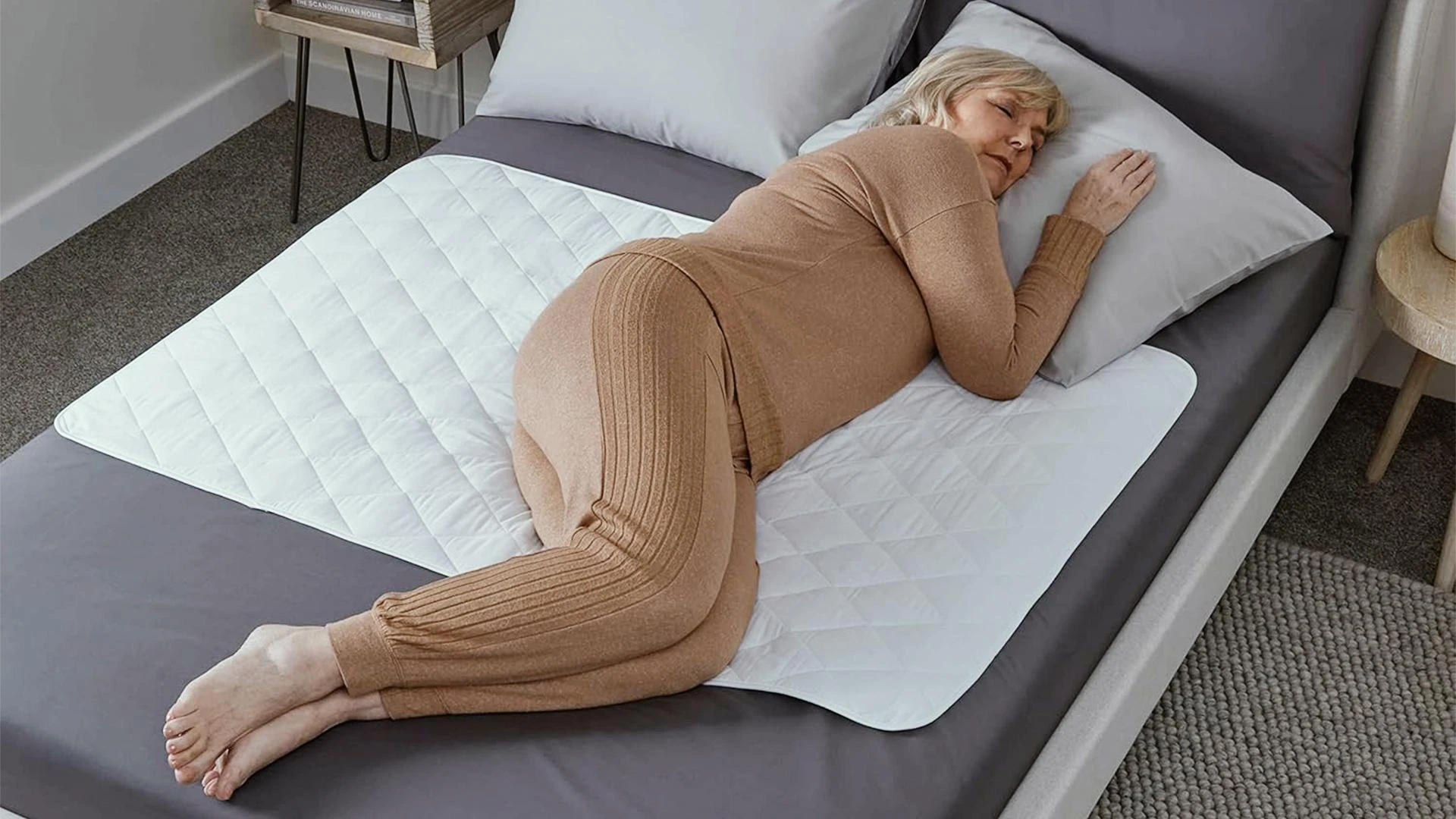
Quick change routines allow staff to work more efficiently and reduce resident discomfort during pad changes. Washable incontinence pads feature a five-layer quilted design with 100% natural birdseye cotton and waterproof backing for reliable protection.
Non-slip backing secures pad position and reduces movement risk during resident repositioning tasks throughout nightly care routines.
Supporting Hygiene with Additional Linens
Frequent changes of hospital bed linens occur when accidents happen, requiring breathable, durable, and stain-resistant fabrics. Bibs for adults protect clothing during mealtimes for residents with limited motor control and reduce outfit changes workload. Blankets remain light and easy to wash, maintaining warmth during full bedding turnover events.
Coordinating pad and linen workflows ensures consistent hygiene standards and comfort throughout schedules. Administrators plan laundering cycles by grouping similar items to streamline operations. Durable fabrics withstand frequent washes and maintain appearance over time for a professional look in facilities.
Washable vs. Disposable Incontinence Pads
Reusable incontinence pads offer lower long-term cost and less environmental waste overall in high-volume care facilities. Durable materials often outperform disposable options in absorbency and longevity across many washes. Disposable versions still serve for emergencies or offsite outings when laundering is impractical.
Washable variants integrate smoothly with bulk laundering workflows alongside hospital linen and blanket items. Facility managers plan wash schedules and inventory more predictably when using reusable items consistently. Reusable pad volumes can be tracked to forecast replacement cycles proactively in budgeting for administrators.
Comfort and Dignity for Residents
Residents feel safer knowing accidents will not cause embarrassment during social activities or rest periods. These pads are discreet and reduce odors and moisture close to skin for enhanced comfort. Staff can change under pad layers without fully undressing residents, preserving privacy and dignity in care routines.
Soft sheets and light blankets improve the sleep environment even during health challenges. Thoughtful pad design and linen choices foster a respectful care setting supporting resident wellbeing. Proper pad sizing reduces shifting and prevents leaks during night rest periods consistently for resident comfort.
Operational Benefits for Retirement Centers
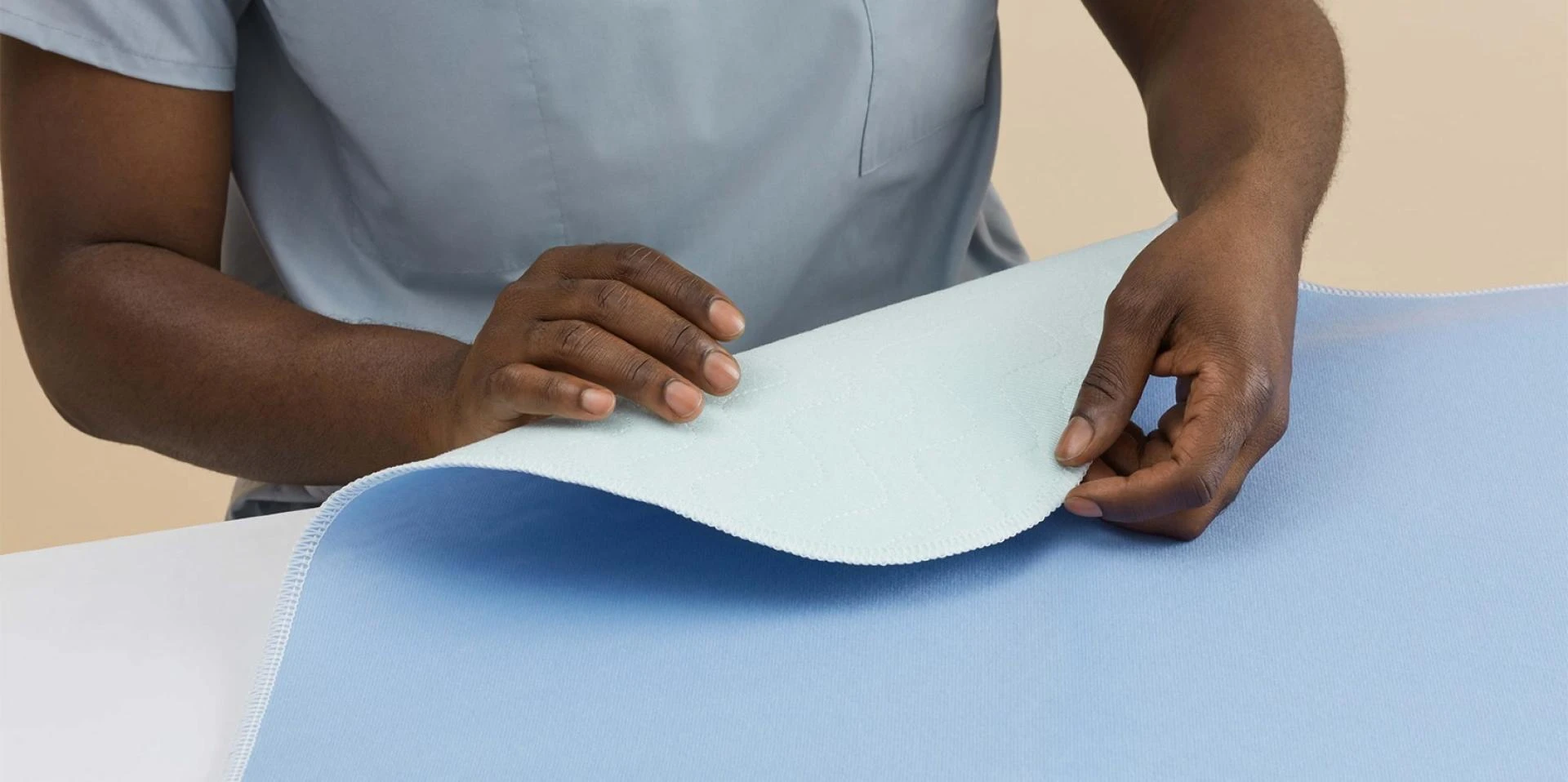
Using reusable under pads reduces linen shortages by lowering bedwetting-related laundry volumes in peak periods. Staff spend less time changing full bedding, freeing time for personalized resident care tasks daily. Inventory management becomes easier when items and pad types are standardized by size and type across the facility.
Bulk ordering of reusable adult incontinence pads and related items reduces supply chain stress for procurement teams. Predictable ordering and laundering cycles support stable budgeting and resource planning for administrators. Linen turnover planning reduces unexpected workload spikes and supports staff wellbeing during peak seasons in large facilities.
Why Choose Reusable Incontinence Pads by Bloom Linen?
- Bloom Linen offers a reusable 100% cotton under pad measuring 34×36 inches with non-slip backing for ultimate comfort.
- The five-layer quilted design uses 100% natural birdseye cotton for soft absorbency and reliable performance.
- A 340 GSM thick soaker with waterproof PVC backing keeps beds and mattresses dry during accidents.
- Machine washable, quick-dry pad endures over 300 washes when following care instructions.
- Facilities benefit from durable design and straightforward laundering for long-term reliability.
Other sizes include: 30”x34” and 24”x34”
Conclusion and Takeaway
Incontinence pad choice offers practical benefits that improve resident life quality and simplify staff care routines daily. Combined with strong, washable items such as hospital linen, adult bibs, and blanket options, they create a clean, safe, and respectful environment. Retirement centers seeking efficiency and improved resident care should invest in durable, reusable linen essentials from trusted suppliers like Bloom Linen. Proper planning of pad and linen procurement supports consistent care standards and budget stability.
FAQs
Q: How often should reusable pads be laundered in a retirement center?
A: Pads should be laundered after each use to maintain hygiene and prevent odors affecting resident safety.
Q: What size pad fits most beds in long-term care?
A: A reusable 34×36 inches under pad fits most twin and full beds securely and protects mattresses effectively.
Q: Can reusable pads last many washes?
A: Machine washable pad remains durable for over 300 washes if laundering instructions are followed properly.
Q: How do pads integrate with existing laundry workflows?
A: Facilities wash reusable pads with other linens in bulk loads to save time and reduce sorting complexity effectively.
Q: Are disposable pads ever recommended?
A: Disposable incontinence pad options serve for outings or emergencies when quick changes without laundering are necessary for resident wellbeing.