
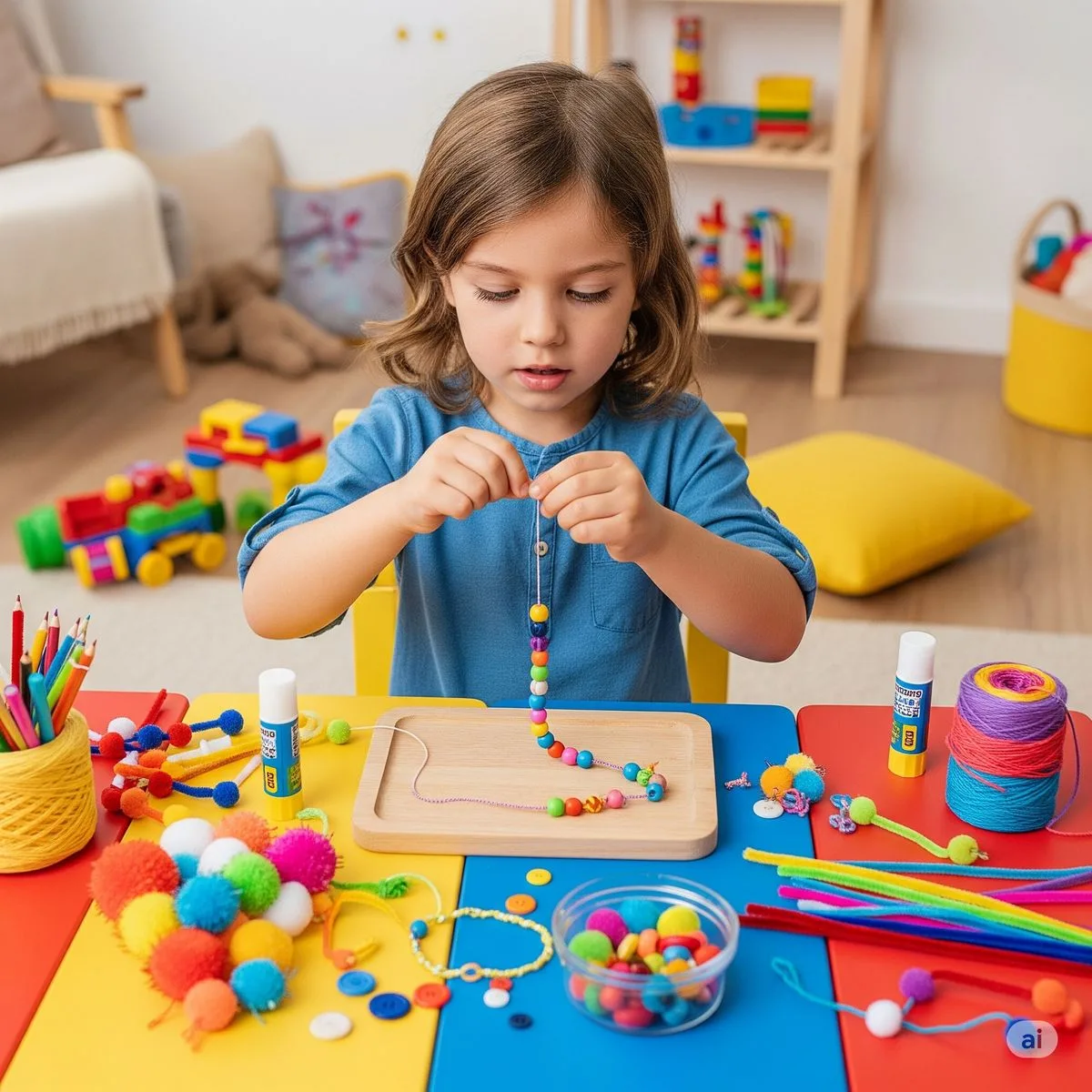
Children with autism may experience sounds, textures, movement, lights, smells, and other sensations differently from their peers. Some children may seek certain sensory experiences, while others may become overwhelmed by particular sensations. Sensory activities can provide structured and enjoyable opportunities for children to explore their environment, practice skills, and find ways to participate more comfortably in everyday routines. When thoughtfully selected, these activities can become a useful part of a child's individualized support plan.
What Are Sensory Activities?
For families exploring aba therapy in Greenville, sensory activities may be incorporated into learning and daily routines when they are appropriate for a child's individual needs. Sensory activities involve experiences that engage one or more of the body's senses, including touch, movement, sight, sound, smell, and body awareness.Examples can include playing with water, using play dough, exploring different textures, sorting objects, drawing with different materials, jumping, pushing or pulling safe objects, or participating in movement-based games.
The purpose is not simply to keep a child occupied. A well-chosen activity can provide opportunities to practice communication, attention, motor skills, following directions, transitions, and participation in everyday activities.
Why Do Sensory Experiences Matter for Autistic Children?
Sensory processing differences are common among autistic individuals. A child may be highly sensitive to certain sounds or textures, while another may actively seek movement or pressure.
For example, a child who finds loud noises uncomfortable may cover their ears or leave a busy environment. Another child may frequently move, jump, or touch objects because movement provides an enjoyable or regulating sensory experience.
Understanding these patterns can help parents identify what environments and activities may be supportive. Instead of assuming that every sensory behavior should be stopped, caregivers can consider what the child may be communicating or seeking through the behavior.
How Sensory Activities Can Support Learning
Sensory activities can be combined with learning opportunities in simple, natural ways. For example, a child playing with a container of water can practice requesting more water, identifying objects, following simple instructions, or taking turns.
A play-dough activity can provide opportunities to practice fine motor skills while also encouraging communication and following directions. Movement games can involve imitation, waiting, responding to instructions, and transitioning between activities.
The activity should match the child's abilities and interests. When children are engaged in something they enjoy, they may be more motivated to participate and practice new skills.
Sensory Activities and Emotional Regulation
Some children may become overwhelmed when there is too much sensory input around them. Busy classrooms, crowded stores, loud gatherings, or unfamiliar environments can sometimes be difficult to manage.
Sensory activities may offer appropriate opportunities to explore calming or organizing experiences. A quiet activity, gentle movement, access to a preferred texture, or time in a less stimulating environment may help some children manage overwhelming situations.
However, sensory activities should not be treated as a universal solution for anxiety or challenging behavior. What helps one child may be uncomfortable or ineffective for another. Parents should observe their child's responses and work with qualified professionals when sensory concerns significantly affect daily life.
Simple Sensory Activities to Try at Home
Families can incorporate sensory experiences into everyday routines without needing complicated equipment. Some possibilities include:
- Playing with water using cups, containers, or safe floating objects
- Exploring different textures through age-appropriate craft materials
- Using play dough for squeezing, rolling, and shaping
- Creating simple movement games such as jumping or animal walks
- Sorting objects by texture, size, or other characteristics
- Drawing, coloring, or painting with different materials
- Exploring safe household sounds at a comfortable volume
- Helping with simple activities that involve pushing, pulling, or carrying lightweight objects
Safety should always come first. Activities should be developmentally appropriate, supervised when necessary, and adapted for allergies, choking risks, mobility needs, and individual sensory sensitivities.
Using Sensory Activities During ABA Therapy
For families considering at-home aba therapy in Greenville, sensory activities may sometimes be incorporated into individualized teaching when they support a child's specific goals. A therapist might use a preferred sensory activity as an opportunity to practice communication, requesting, transitions, turn-taking, or following directions.For instance, if a child enjoys water play, the therapist may create opportunities for the child to request a preferred item, wait for a turn, or transition from the activity to another routine. The focus remains on developing meaningful functional skills rather than simply providing sensory stimulation.
Parents can also learn strategies that may be incorporated into everyday routines. Consistency across settings can make it easier for children to practice and generalize useful skills.
How Best Ever ABA Can Help
At Best Ever ABA, individualized support can take a child's unique preferences, strengths, and needs into consideration when developing meaningful learning opportunities. Sensory preferences may be relevant when determining how a child participates in activities, communicates needs, or responds to different environments.A thoughtful approach should avoid assuming that every child needs the same sensory activities. Instead, professionals and families can observe the child's responses, identify useful opportunities, and adjust activities as needed.
The goal is to create supportive experiences that encourage communication, learning, participation, and independence while respecting the child's individual sensory profile.
Making Sensory Activities Meaningful
Sensory activities can be much more than play. When thoughtfully selected, they can create opportunities for children with autism to explore their environment, communicate preferences, practice skills, and participate in everyday routines.
Parents do not need to introduce dozens of activities at once. Starting with a child's existing interests and observing how they respond can be a practical first step. By combining enjoyable sensory experiences with meaningful learning opportunities, families can create supportive environments where children have opportunities to learn and grow at their own pace.