
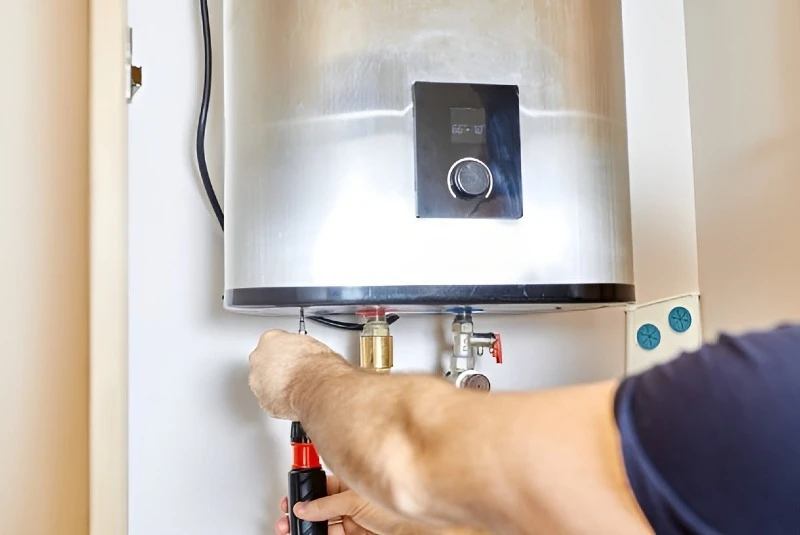
Hot water makes daily life smooth and easy. People use it for baths, dishes, and laundry. A water heater works hard every single day. Over time, dirt and tiny rock bits build up inside the tank. This buildup slows the heater and puts stress on parts.
Homeowners in Beacon, NY often forget one simple task called Water heater flushing. Yet this small job keeps a heater clean and strong. Clean tanks heat water with less effort. Parts stay safe, and wear slows down.
A little care now saves big repair costs later. So let us break down why flushing a water heater matters and how it helps a unit live longer.
What Is Water Heater Flushing?
Water heater flushing means draining water from the tank. Fresh water then runs through the tank to wash out dirt and mineral bits.
Why Dirt Builds Up in the Tank
Water carries small minerals like calcium and lime. Heat turns these minerals into hard pieces. These pieces sink and sit at the bottom of the tank.
Over time, the pile grows thicker. Heat then struggles to pass through water. The heater works harder, and parts feel stress.
What Flushing Actually Does
Flushing clears out this buildup. Clean water flows inside and pushes debris out through the drain valve. After this wash, the tank holds clean water again. Heat spreads with ease, and the heater feels less strain.
How Does Flushing Help a Water Heater Last Longer?
A clean heater stays strong. Several small benefits work together to extend heater life.
1. Stops Sediment From Damaging the Tank
Sediment acts like a rough blanket at the tank bottom. Heat sits under this layer, and metal faces stress. Over time, cracks may form.
Flushing removes this layer. Clean metal stays cooler and safer. The tank keeps its strength for a longer time.
This step forms one of the most useful Water heater maintenance tips that Beacon, NY, homeowners should follow.
2. Helps the Heater Use Less Energy
Sediment blocks heat flow. The heater must run longer to warm the water. More running means more energy use.
A flushed tank heats water faster. Heat moves through water with ease. Energy use drops and monthly bills shrink. Simple cleaning makes a big difference.
3. Protects Heating Parts
Electric heaters use heating elements. Gas heaters use burners. Sediment makes these parts work harder. Extra strain causes parts to wear faster. Repairs then become common.
Regular Water heater flushing keeps heating parts clean. Parts run smoothly and last longer.
4. Improves Water Quality
Sediment can mix with hot water. Water may look cloudy or smell odd. Nobody likes dirty bath water.
Flushing clears out debris. Water comes out clean and fresh again. Families enjoy safe and clear hot water.
When Should a Water Heater Be Flushed?
Experts suggest flushing a water heater once a year. Homes with hard water may need it twice each year.
Watch for signs like:
Popping sounds from the tank
Slow heating
Rust-colored water
Less hot water during use
These signs mean sediment sits inside the tank.
Flushing is constantly included in the yearly Water heater maintenance checklist. A yearly check keeps the heater in good shape.
Can Homeowners Flush a Water Heater?
Some homeowners choose to do the job on their own. Yet care matters because hot water and pressure sit inside the tank.
Basic steps include:
1. Turn off the power or the gas
2. Turn off the water supply
3. Connect a hose to the drain valve
4. Drain water from the tank
5. Run fresh water to rinse the tank
Still, many people call professionals for Water heater flushing in Beacon, NY. A trained plumber checks valves, pipes, and pressure while doing the flush.
This extra inspection keeps the heater safe and working well.
Final Thought
Water heaters work hard every day. Dirt and minerals slowly fill the tank. This buildup harms heating parts, raises energy use, and weakens the tank.
Flushing removes these hidden problems. Clean tanks heat water with less effort and face less stress. Parts stay strong, and repairs drop.
Homeowners who follow simple Water heater maintenance tips protect their investment. A yearly flush keeps hot water flowing and helps the heater serve the home for years.