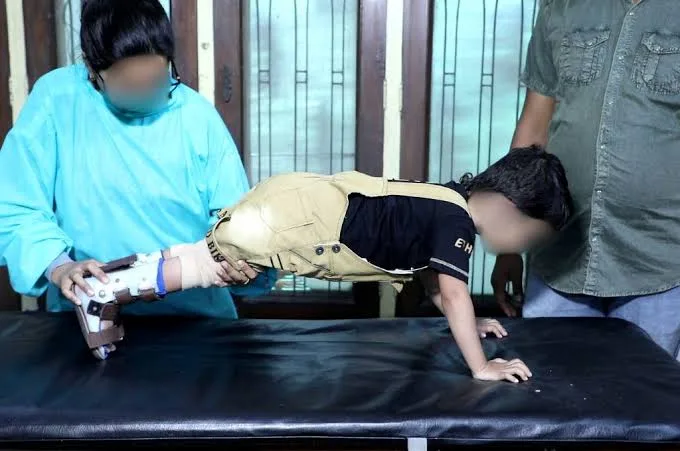
Cerebral palsy physiotherapy is one of the most effective early interventions for children diagnosed with cerebral palsy. Beginning physiotherapy as soon as possible helps improve mobility, muscle strength, balance, and overall physical development.
Since a child's brain and body are still developing, early therapy can maximize functional abilities, prevent complications, and support greater independence throughout life.
Benefits of Early Physiotherapy
Early physiotherapy focuses on helping children achieve developmental milestones while improving movement and coordination. A personalized treatment plan addresses each child's unique needs and abilities.
Some key benefits include:
- Improves muscle strength and flexibility
- Enhances balance and coordination
- Encourages proper posture and body alignment
- Supports walking and mobility
- Reduces the risk of joint stiffness and muscle contractures
With regular sessions, children often gain greater confidence in performing daily activities.
Promoting Healthy Motor Development
Children with cerebral palsy may experience delays in sitting, crawling, standing, or walking. Physiotherapy uses structured exercises and play-based activities to encourage proper movement patterns and build essential motor skills.
Therapists work on:
- Gross motor development
- Functional movement training
- Weight-bearing activities
- Stretching and strengthening exercises
- Balance and coordination practice
These interventions help children become more active and independent in everyday life.
Preventing Long-Term Complications
Early physiotherapy is not only about improving movement but also about preventing future physical challenges. Consistent therapy can reduce the likelihood of:
- Muscle tightness
- Joint deformities
- Poor posture
- Reduced mobility
- Pain caused by abnormal movement patterns
Early management allows children to maintain better physical function as they grow.
Family Involvement Plays a Key Role
Parents and caregivers are essential partners in the therapy process. Physiotherapists provide home exercise programs and practical guidance that can be incorporated into daily routines. Consistent practice at home reinforces therapy goals and supports faster progress.
A Personalized Approach to Care
Every child with cerebral palsy has different strengths and challenges. Physiotherapists regularly assess progress and adjust treatment plans to meet changing developmental needs. This individualized approach ensures therapy remains effective at every stage of growth.
Conclusion
Early cerebral palsy physiotherapy lays the foundation for improved mobility, independence, and long-term physical health. By addressing movement challenges during the early years, children have a greater opportunity to reach important developmental milestones and enjoy a better quality of life.
Starting physiotherapy early, combined with ongoing family support and professional care, can make a lasting difference in helping children achieve their full potential.