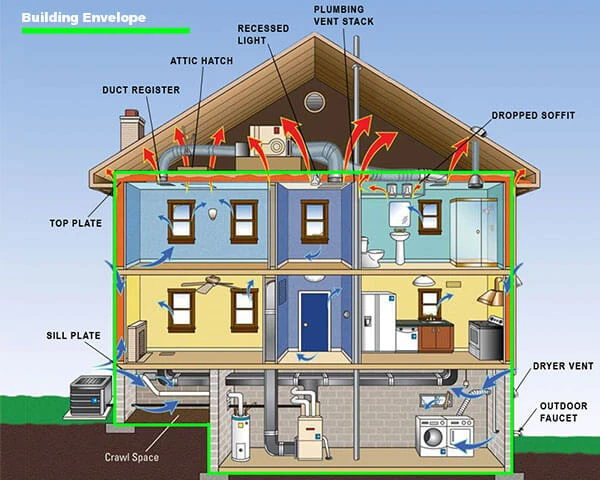
Construction projects are complicated. The walls, floors, and finishes often get the attention, but what really makes a building comfortable and functional is the air moving through it. Heating, ventilation, and air conditioning are the invisible systems that define comfort, efficiency, and durability. Skip them, or leave them to chance, and you’ll see problems, uneven temperatures, noisy systems, high energy bills, and frustrated occupants. This is why every modern construction project benefits from a senior mechanical HVAC engineer.
Firms like Simplified HVAC and Mechanical Systems Design, LLC know this instinctively. Their work isn’t about throwing ducts into walls; it’s about designing systems that anticipate how a building behaves, how people move, and how energy flows. The difference between a standard installation and a thoughtfully engineered system is noticeable, not just in comfort, but in long-term performance and costs.
Planning Before the First Brick
The best time to involve a senior mechanical HVAC engineer is before the foundation is poured. Load calculations, duct layouts, and equipment selection require more than basic formulas, they demand experience. A system that’s too large wastes energy. One that’s too small struggles to keep up. And improperly routed ductwork? That’s a guarantee of uneven airflow and constant maintenance calls.
Simplified HVAC and Mechanical Systems Design, LLC brings this level of foresight to projects, collaborating with builders early to ensure the system fits the building, not the other way around. Early planning saves money, avoids headaches, and, honestly, makes everyone’s life easier during construction.
Comfort That Works
Comfort is subtle. It’s not just a temperature on a thermostat; it’s how evenly air flows, how humidity feels, and whether rooms maintain a consistent climate. A senior mechanical HVAC engineer considers these nuances, zoning for multi-story buildings, air balancing for large open spaces, and matching system capacity to actual occupancy patterns.
Buildings designed this way feel natural. Occupants don’t notice the system, it just works. And that’s the point. A poorly planned HVAC system, on the other hand, calls attention to itself constantly, with drafts, hot spots, and inconsistent temperatures.
Energy Efficiency Isn’t Optional
Energy efficiency is often what pays for itself fastest. High-efficiency equipment and systems that are sized just right along with thoughtfully designed ductwork, significantly reduce utility bills and environmental impact. Simplified HVAC and Mechanical Systems Design, LLC includes energy recovery ventilators, variable-speed fans, and smart controls as part of their designs to make sure systems don’t overwork or waste energy. You'll find that savings on commercial properties are immediate and measurable. In truly efficient homes designed for energy and water efficiency, the highest energy efficiency will provide greater value for homeowners in the long term.
Understanding Codes and Standards
The codes are created for a reason, but they are not easy to keep up with. A licensed mechanical HVAC engineer will always make sure the system complies with all local, state, and national codes. ASHRAE standards that govern airflow and ventilation may sound technical, but they also prevent cost-prohibitive redesigns and keep the user safe.
This attention to compliance is where firms like Simplified HVAC and Mechanical Systems Design, LLC shine. They know which rules apply, when to anticipate inspector concerns, and how to integrate requirements into the design without compromising performance.
Coordinating Complexity
Modern construction involves multiple trades. Electrical, plumbing, and structural teams all intersect with HVAC work. Without coordination, duct runs collide with pipes, or mechanical rooms end up too small. Senior engineers manage these interactions. They ensure HVAC systems fit neatly, minimizing conflict and delays.
Residential construction builders in particular benefit from this oversight. Miscommunication at the construction site can be costly; having a senior mechanical HVAC engineer on board keeps everyone aligned, which is worth its weight in gold when the project is under a tight schedule.
Longevity and Maintenance
A well-engineered system isn’t just efficient, it lasts. Poor design stresses equipment, causes premature failure, and drives maintenance costs up. A senior engineer anticipates these issues, specifying materials, layouts, and equipment that will endure. This foresight pays off in the long run, avoiding the cycle of constant repairs and early replacements.
Conclusion
Every construction project, big or small, gains immeasurably from the expertise of a senior mechanical HVAC engineer. Whether it is planning, energy efficiency, compliance, comfort, or coordination, their knowledge keeps your project within the timeline, the budget, and good performance for decades, all areas in which Simplified HVAC and Mechanical Systems Design, LLC excels, combining their technical skills with field experience to design systems that operate effortlessly.
For anyone who cares about building a high-performing, efficient, and comfortable space, hiring an experienced HVAC system design engineer will not be optional, it will be necessary. It ensures every vent, every duct, every item in your system will all be purposeful, efficient, and lasting. Check their website for more information!