Reliable electricity powers nearly every aspect of modern life, from industrial operations and healthcare systems to commercial facilities and residential buildings. However, power outages caused by storms, grid failures, infrastructure maintenance, or unexpected electrical faults can disrupt operations and create serious safety risks. To ensure continuity, many organizations rely on backup generators to maintain power during outages.
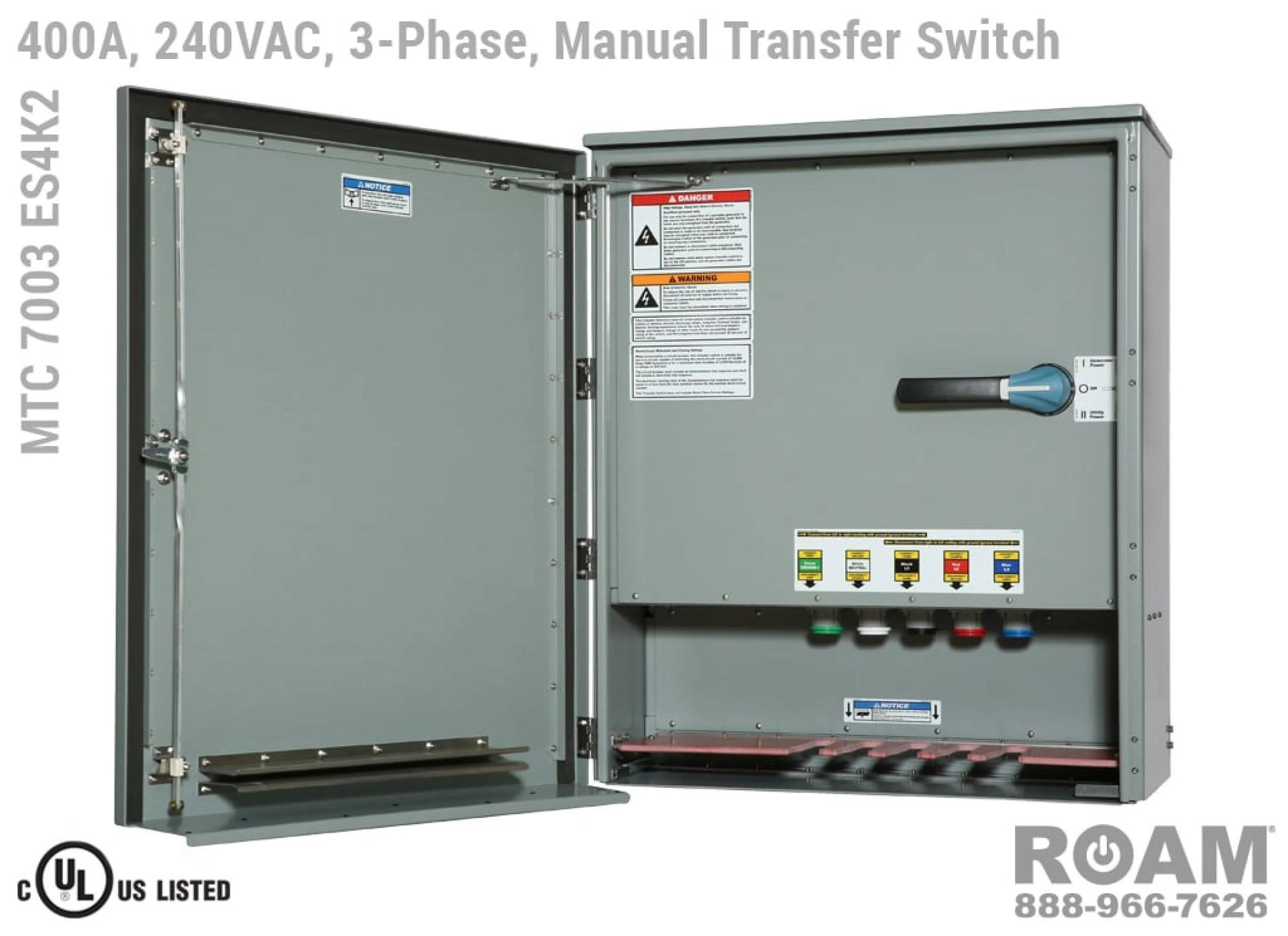
While generators provide an effective solution for emergency power, connecting them safely to a building’s electrical system requires specialized equipment. One of the most important components in this process is the Generator Interface Panel. This device serves as the secure connection point between the generator and the facility’s electrical distribution system.
Generator interface panels ensure safe power transfer, protect electrical equipment, and simplify generator integration. Without these panels, facilities risk dangerous electrical conditions such as backfeeding, overloads, and equipment damage. This article explains why generator interface panels are essential for safe backup power connections and how they improve reliability and safety in modern electrical systems.
Understanding Generator Interface Panels
A Generator Interface Panel acts as a central hub that connects a portable or standby generator to a building’s electrical infrastructure. The panel manages how power flows from the generator to different circuits while maintaining safety and electrical stability.
Instead of manually wiring a generator directly into the electrical system, which can be dangerous and non-compliant with electrical standards, technicians use the interface panel to connect generator cables through designated input ports.
Key Functions
Generator interface panels perform several important roles:
- Provide a safe connection point for generators
- Control the flow of backup power
- Protect circuits from overloads and faults
- Enable quick generator connection during emergencies
- Prevent unsafe electrical feedback into the utility grid
By managing these functions, the panel ensures that generator power integrates smoothly with the facility’s electrical system.
Preventing Dangerous Backfeeding
One of the biggest safety concerns when connecting generators to electrical systems is backfeeding. Backfeeding occurs when electricity from a generator flows backward into the utility grid instead of powering the intended circuits.
This situation creates serious hazards. It can endanger utility workers repairing power lines and damage electrical infrastructure.
Generator interface panels prevent backfeeding by isolating the building’s electrical system from the main utility supply when the generator operates. Many panels integrate with transfer switches or include built-in isolation mechanisms to ensure that power flows only in the intended direction.
By eliminating the risk of backfeeding, generator interface panels protect both electrical workers and public infrastructure.
Improving Electrical Safety
Electrical systems carry high currents and voltages that can cause severe injury or equipment damage if handled improperly. Generator interface panels significantly improve safety by providing a controlled and organized method for connecting backup generators.
Secure Connection Points
Interface panels use heavy-duty connectors that allow technicians to attach generator cables safely. These connectors are designed to handle large electrical loads while maintaining stable contact.
Enclosed Wiring
Instead of exposing internal wiring or requiring electricians to work inside energized panels, the interface panel keeps connections external and protected. This design reduces the risk of electrical shock and accidental contact with live components.
Grounding Protection
Proper grounding is essential for preventing electrical faults. Generator interface panels include grounding terminals that help stabilize voltage and protect equipment.
Enabling Faster Emergency Power Deployment
During power outages, facilities need to restore electricity as quickly as possible. Hospitals, data centers, and manufacturing plants cannot afford long delays in power restoration.
Generator interface panels make emergency power deployment faster and more efficient.
Quick Connection Design
Technicians can connect generator cables directly to the panel’s input connectors without performing complex wiring tasks. Many systems use cam-lock connectors, which allow plug-and-play connections.
This design reduces setup time dramatically and allows backup generators to begin supplying power within minutes.
Simplified Procedures
Clear labeling and color-coded connectors guide technicians through the connection process. This reduces errors and ensures that generator power connects correctly.
By streamlining generator integration, interface panels help organizations respond quickly to unexpected power outages.
Protecting Electrical Equipment
Electrical equipment often represents a significant investment for businesses and institutions. Power fluctuations, overloads, or incorrect generator connections can damage sensitive devices such as servers, industrial machines, and medical equipment.
Generator interface panels protect electrical equipment by regulating power flow and preventing dangerous conditions.
Circuit Protection
Many panels include circuit breakers or protective devices that automatically disconnect power if they detect:
- Overcurrent conditions
- Short circuits
- Electrical faults
These safety mechanisms prevent excessive current from damaging equipment.
Load Management
Interface panels distribute power across multiple circuits. This balanced load distribution prevents generators from becoming overloaded and ensures stable power delivery.
Supporting Maintenance and Testing
Backup generators require regular testing and maintenance to ensure they operate correctly during emergencies. Generator interface panels make this process easier and safer.
Technicians can connect generators temporarily for testing without modifying the facility’s permanent electrical wiring. The panel provides a standardized connection point that simplifies routine maintenance.
This capability allows organizations to verify generator performance regularly and ensure that backup systems remain ready for unexpected outages.
Applications Across Different Industries
Many industries depend on reliable backup power systems, making generator interface panels essential components of their electrical infrastructure.
Healthcare Facilities
Hospitals rely on continuous power for life-support equipment, surgical systems, and monitoring devices. Generator interface panels ensure that backup power connects safely and quickly during outages.
Data Centers
Data centers require uninterrupted electricity to protect servers and prevent data loss. Interface panels allow operators to integrate backup generators seamlessly into the power system.
Commercial Buildings
Office buildings, shopping centers, and hotels depend on backup power to maintain lighting, elevators, security systems, and climate control.
Industrial Facilities
Manufacturing plants use interface panels to maintain production during power interruptions and prevent costly downtime.
Event Venues and Construction Sites
Temporary power setups often require portable generators. Interface panels allow technicians to connect generators safely and distribute power efficiently.
Compliance with Electrical Standards
Electrical codes and safety regulations require proper equipment for connecting backup generators to building systems. Direct generator connections without protective equipment often violate electrical standards.
Generator interface panels help facilities comply with industry regulations by providing approved connection methods and safety features.
These panels support safe operating procedures and reduce the risk of regulatory violations or workplace accidents.
Conclusion
Generator interface panels play a critical role in ensuring safe and reliable backup power connections. By providing a secure connection point between generators and electrical systems, they protect equipment, prevent dangerous backfeeding, and improve operational safety.
Organizations that rely on backup generators benefit greatly from the efficiency and protection offered by generator interface panels. These systems enable quick emergency power deployment, simplify maintenance, and support compliance with electrical safety standards.
As power reliability becomes increasingly important across industries, generator interface panels will continue to serve as a vital component in modern backup power infrastructure. Their ability to combine safety, efficiency, and flexibility makes them essential for any facility that depends on dependable emergency power systems.