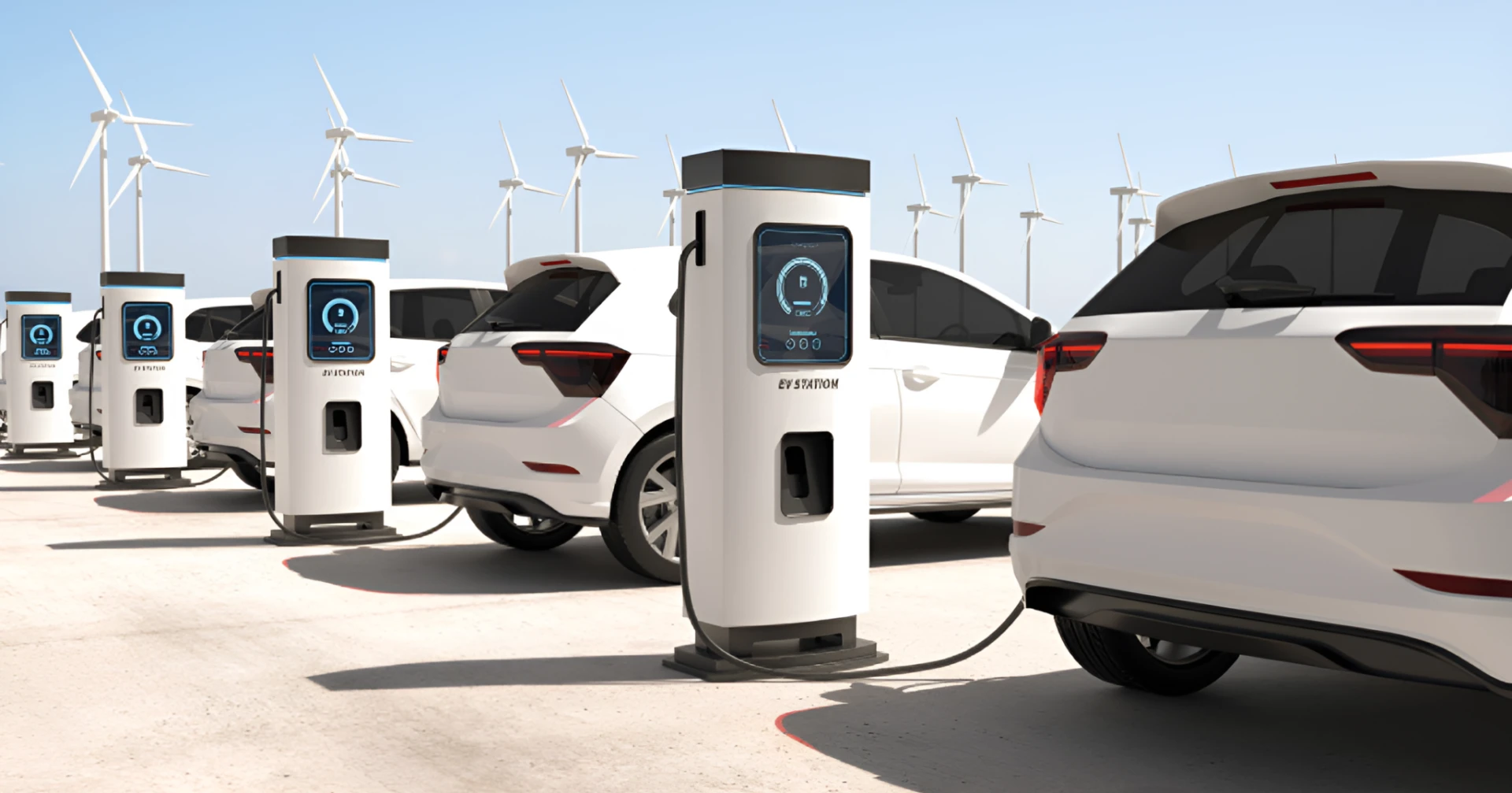
Electric vehicles are quickly becoming part of everyday transportation as people shift toward cleaner and more sustainable mobility. Along with this change, having a reliable charging solution at home is becoming increasingly important.
Installing EV home chargers allows vehicle owners to charge their cars conveniently at home instead of relying entirely on public charging infrastructure. This small upgrade can make a significant difference in daily driving habits and long-term costs.
1. Everyday Convenience
Home charging removes the hassle of searching for public charging stations or waiting in queues. With a charger installed at home, the process becomes simple:
- Park your vehicle at home
- Plug it into the charging unit
- Let it charge overnight
By morning, the battery is ready for the next day’s travel. This routine makes electric vehicle ownership easier and more practical, especially for people with busy schedules.
2. Lower Charging Expenses
One of the most attractive benefits of home charging is cost savings.
Residential electricity rates in India typically range between ₹7–₹8 per kWh, while public charging stations may charge ₹20–₹30 per kWh depending on the type of charging service.
Over time, this difference can result in significant savings for EV owners who drive regularly. Although installing a home charging setup may cost between ₹40,000 and ₹1,50,000, the long-term reduction in charging costs often offsets the initial investment.
3. Faster and More Efficient Charging
Public charging stations often require drivers to travel to a location and wait while their vehicle charges. This process can take valuable time from a busy schedule.
Installing a fast EV charger at home simplifies this process. Many residential Level 2 chargers can add around 20–30 miles of range per hour, allowing most electric vehicles to recharge fully overnight.
For drivers with daily commutes, this means the vehicle is always ready without needing to stop at public stations.
4. Smart Charging Technology
Modern home charging stations are designed with advanced technology that improves efficiency and control. Many systems now include:
- Mobile app connectivity
- Scheduled charging during off-peak hours
- Energy usage monitoring
- Load balancing for home electrical systems
These features help EV owners manage electricity consumption while ensuring safe and consistent charging performance.
5. Environmental Advantages
Electric vehicles already help reduce carbon emissions compared to petrol or diesel vehicles. When home charging is combined with renewable energy sources like solar power, the environmental benefits increase even further.
Charging with renewable energy helps:
- Reduce dependence on fossil fuels
- Lower overall carbon emissions
- Support cleaner energy systems
- Promote sustainable transportation
Final Thoughts
Installing a home EV charging station is one of the most practical upgrades for electric vehicle owners. It improves convenience, reduces charging costs, saves time, and supports environmentally responsible transportation.
As electric mobility continues to expand, home charging solutions will play a crucial role in making EV ownership simpler and more efficient for everyday drivers.