
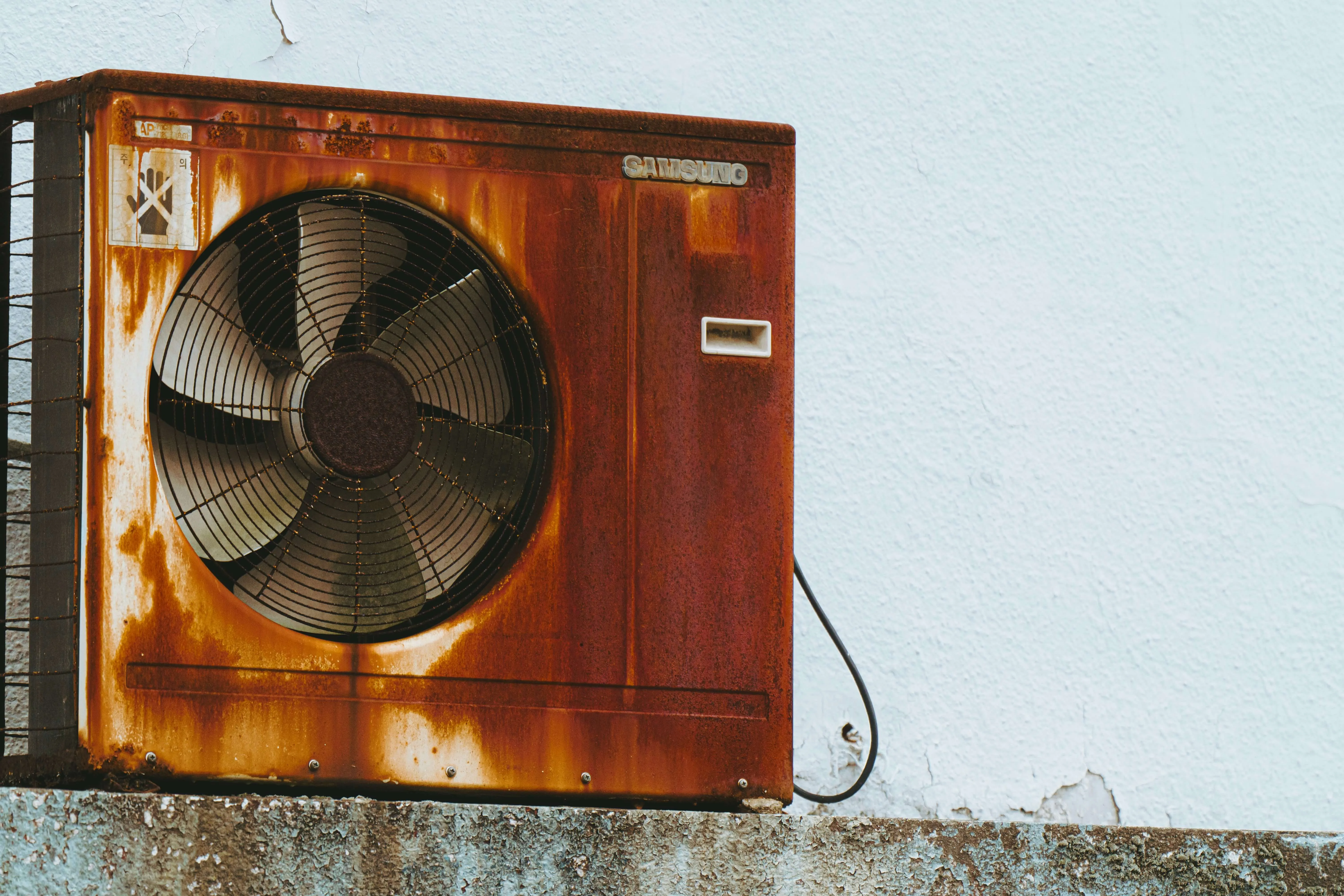
Reasons Your AC Unit is Noisy
Air conditioning units are essential for comfort, especially during hot months. But what happens when your AC starts making strange noises?
These noises can be more than just annoying. They might indicate underlying issues that need attention.
Understanding why your AC is making noise is crucial. It helps in diagnosing potential problems early.
Different noises can mean different things. A buzzing noise might suggest electrical issues, while rattling could mean loose parts.
Ignoring these sounds can lead to bigger problems. It might even result in costly repairs or replacements.
This guide will help you identify common AC noises. Learn what they mean and how to address them effectively.
Common Types of AC Noises and What They Mean
Different types of noises can come from your AC unit. Each sound has its own meaning. Understanding them can help diagnose issues early.
Common noises include buzzing, rattling, squealing, and clicking. Other sounds you might hear are hissing and banging.
These noises can indicate simple problems or more serious issues. For example, a buzzing noise might mean loose parts or electrical problems.
Rattling noises could come from debris caught in the unit or loose components. Squealing often points to fan or belt issues.
Here's a quick guide to AC noises:
- Buzzing: Electrical issues or debris
- Rattling: Loose parts or debris
- Squealing: Motor or belt problems
- Clicking: Electrical or relay issues
- Hissing: Refrigerant leak
- Banging: Loose or broken parts
Regular maintenance can prevent many of these issues.
Being proactive can save time and money, ensuring peace in your living space.
Buzzing Noises: Causes and Solutions
Buzzing noises from your AC unit can be unsettling. These sounds often indicate an issue that needs addressing. Common causes of buzzing include electrical problems, loose parts, or debris inside the unit.
Electrical issues are the most common cause of buzzing. Loose wiring or a faulty compressor can lead to these noises. Debris can also cause buzzing when it obstructs the fan.
To solve a buzzing noise, you can:
- Inspect for loose parts
- Check electrical connections
- Clean out debris inside and around the unit
It's crucial to address buzzing promptly. Ignoring it can lead to more severe damage over time.
Rattling Noises: Causes and Solutions
Rattling noises are often annoying and can indicate several issues. This noise usually means something is loose or out of place. Common causes include loose parts, debris, or issues with installation.
Debris can sometimes get caught, causing rattling. Wind can also move the AC, creating a rattling noise. Securing the unit can help reduce these sounds.
If you hear rattling, consider:
- Tightening screws and bolts
- Checking for and removing debris
- Ensuring the unit is installed securely
Quick action can prevent small problems from becoming serious.
Squealing or Screeching Sounds: Causes and Solutions
Squealing or screeching noises often indicate issues with moving parts. They can be particularly loud and disturbing. Common sources of these sounds are the fan motor or belts.
A worn-out or misaligned belt can make a squealing sound. The fan motor can also screech if it lacks lubrication.
To address squealing noises, try:
- Lubricating moving parts
- Inspecting and tightening belts
- Replacing worn-out components
Addressing these issues will help maintain smooth operation and keep the system running quietly.
Clicking and Ticking Sounds: Causes and Solutions
Clicking and ticking noises are common when an AC unit starts or stops. However, if these sounds persist, they may indicate an issue. Often, they relate to electrical components or relay problems.
Persistent clicking might mean there's a problem with the capacitor or relay. These electrical issues require immediate attention to prevent further damage.
Consider these steps:
- Inspecting the electrical connections
- Checking the capacitor and relay
- Consulting a professional if needed
Resolving these issues promptly can keep your AC unit running efficiently.
Hissing and Bubbling Noises: Causes and Solutions
Hissing and bubbling noises can be alarming. These sounds often signal a refrigerant leak or a valve issue. Both cases require immediate attention to ensure the unit's efficiency.
A refrigerant leak not only affects cooling but can also harm the environment. Valve problems might not be as severe but still need fixing.
Address these noises by:
- Checking for refrigerant leaks
- Inspecting internal valves
- Contacting a professional for complex repairs
Taking action quickly on these issues can prevent further complications and ensure safe operation.
Banging and Clanking Noises: Causes and Solutions
Banging and clanking noises are among the most concerning. They often suggest severe internal issues. Common causes include loose or broken parts within the compressor.
If you hear banging, it's essential to act quickly. Ignoring such sounds can lead to more extensive damage.
To address these noises, you should:
- Inspect for loose or broken components
- Secure any loose parts
- Seek professional help for in-depth repairs
Resolving these issues promptly can protect your AC unit from significant damage and ensure continued comfort.
Why Is My Window AC Making a Rattling Noise?
Window AC units are popular for their compact and efficient design. However, they can sometimes start making a rattling noise. This noise often indicates a problem with installation or loose components.
Rattling can occur if the unit is not securely placed in the window frame. Vibrations cause movement, leading to noise. Debris or loose panels can also contribute to the issue.
To fix a rattling window AC, you might:
- Check for secure installation
- Clear any debris
- Tighten loose parts
Ensuring proper setup can make the unit quieter and more efficient.
When Is AC Noise a Sign of a Serious Problem?
Not all noises from your AC indicate a significant issue. However, some sounds warrant immediate attention. Persistent or unusual noises could signal severe underlying problems.
Recognize these signs as a priority for professional diagnosis. Ignoring them might lead to further damage. Catching issues early can prevent costly repairs later.
Common noise warnings include:
- Loud banging or clanking
- Persistent buzzing
- High-pitched squealing
These sounds can indicate issues like broken parts or electrical failures. Seeking professional help can save your AC unit from further damage, ensuring longer use and better efficiency. Always prioritize safety and functionality when in doubt.
DIY Fixes for a Noisy AC Unit
Some AC noises can be addressed with simple DIY solutions. These fixes can improve unit performance and reduce noise without professional help.
Start by turning off the AC and performing a visual inspection. Look for loose screws, debris, or bent fan blades, which can cause noise. Tightening components may resolve minor issues.
Clean or replace air filters regularly. Clogged filters increase strain on the unit, resulting in unusual noises. Ensuring proper airflow can significantly reduce strain-related sounds.
Additionally, consider the following DIY actions:
- Remove any debris from the outdoor unit.
- Lubricate moving parts to reduce squealing.
- Ensure the unit is level to minimize vibrations.
These steps can help maintain your AC's quiet operation and prolong its lifespan.
When to Call for Professional Air Conditioner Repair
Sometimes, noises from your AC indicate serious issues that need expert attention. Identifying these signs early can prevent costly damage.
Persistent or loud noises often suggest underlying problems that require professional diagnosis. If simple DIY fixes fail, it's time to seek expert help.
Contact a professional if you notice:
- Strange burning smells alongside the noise.
- Regular maintenance is overdue, and noises persist.
- Irregular cycling paired with unusual sounds.
Trusting experienced HVAC technicians ensures that complex issues, such as electrical faults or refrigerant leaks, are handled safely and effectively.
If you reside in Doylestown, Philadelphia, you can rely on Cool-Aid Co for professional and dependable AC repair services.
Preventing AC Noise: Maintenance Tips
Routine maintenance can keep your AC unit running smoothly and quietly. These preventive steps can help minimize annoying noises.
Regular checks are essential to identify potential issues before they escalate. Simple inspections can ensure your unit's components are secure and debris-free.
Here are some maintenance tips:
- Replace or clean air filters monthly.
- Lubricate moving parts to prevent squeaking.
- Inspect and tighten loose screws or bolts.
Remember, consistent care extends the life of your AC unit and helps maintain a serene indoor environment. Investing time in maintenance pays off with quieter operation and improved efficiency.
Conclusion: Restoring Peace and Comfort
Addressing AC noise issues ensures your home remains a peaceful retreat. Timely maintenance and repairs not only reduce noise but also enhance efficiency.
By understanding the causes and solutions for AC noises, you take control of your home's comfort. A quiet AC unit promises a more serene and restful living space.