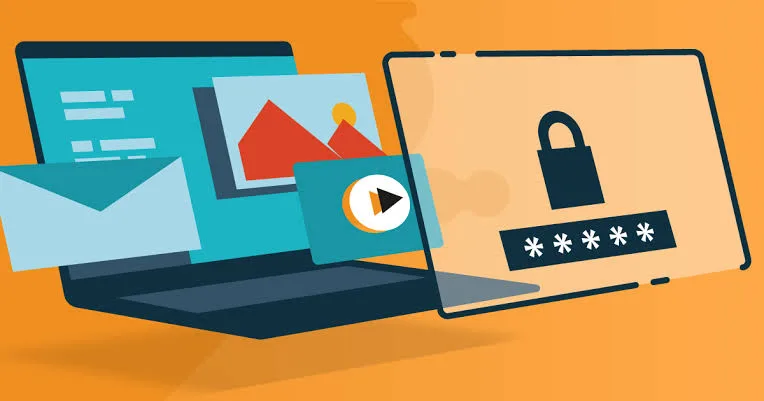
Companies depend on digital data for operations, customer relations, finance, and decision-making. As businesses amass more and more sensitive data, securing that data has become a business imperative. Data protection support enables organizations to detect security vulnerabilities, safeguard sensitive data and implement controls that mitigate the risk of unauthorized access, inadvertent loss and cyber threats. A disciplined approach also helps companies keep trust, enhance operational resilience and respond effectively when the inevitable security incident arises.
Protecting Sensitive Business Information
Business information includes things like customer records, employee data, financial documentation, contracts, and intellectual property. If such data is exposed or lost, an organization may suffer financial loss, disruption of operations, legal implications, and damage to its reputation. Good protection starts with knowing what a company has, where it is, who can get at it, and how it moves among systems.
Access controls, encryption, secure authentication, routine backups and continuous monitoring can also enhance protection. These precautions serve to reduce nonessential access and to protect you further from some of the more common security threats. Routine examinations are also necessary because business systems, applications, employees, and security threats are always evolving.
The Role of IT Consulting and Support
Technology environments can be complex as organizations turn to cloud services, remote work solutions, business applications and connected devices. IT consulting and support services enable organizations to assess their existing IT environment and create feasible plans to address infrastructure, application, network and security needs.
Effective IT consulting and support may incorporate system audits, security planning, software patching, backup administration, access control evaluations and incident-response training. These processes help companies detect issues before they become major headaches. Expert advice can also assist enterprises in selecting technologies that align with their operational needs, rather than adding unnecessary complexity.
Employee education is also a key factor to consider. Even the most sophisticated security solutions can be compromised through weak passwords, phishing, inadvertent sharing or excessive access. Teaching staff to identify suspicious behavior and report it to security may also be a critical element of an organization's overall defense-in-depth approach.
Why Small Businesses Need Stronger Protection
Additionally, small businesses will often have access to only limited budgets, employees, and technical resources, despite possessing sensitive information. This could potentially make them a target for cybercriminals as well as make recovery more challenging post-incident. Small business IT support services can enable these organizations to sustain critical systems and then layer on security controls that are appropriate to their size and resources.
Good small business IT support can include managing devices, software updates, backups, network security, accounts, and help desk services. Monitoring in advance can detect anomalies or problems before impacting broadly. Smaller companies can also take advantage of documented recovery processes that detail how systems and data should be recovered following hardware failure, accidental deletion, or a security event.
Supporting Business Continuity and Recovery
Protecting data is more than just stopping unauthorized access. Companies also need to plan for their data becoming inaccessible, such as via system crashes, ransomware, accidental deletion or other interruptions. A reliable backup strategy needs to encompass frequency of backups, retention periods, secure storage, and periodic testing that confirms the ability to recover.
Planning for recovery should define what is vital and should prioritize the recovery of critical systems. Companies also have the option of writing responsibilities, communication protocols, and escalation procedures so that employees know what is expected of them during an incident. Such procedures can minimize confusion and maximize an organization’s return to normal functioning.
These efforts can be further reinforced by modern technologies. With managed AI services, organizations might also get help to monitor patterns, detect anomalies, automate monotonous security tasks, and process vast amounts of operational data. However, AI must augment established security controls and not supplant human oversight, governance and responsible decision-making.
Building a Culture of Data Security
A safe business environment cannot be achieved through technology alone. Protecting data should be integrated into the fabric of business. Organizations can define clear rules about access, retention, sharing, storage and disposal of the data. Periodic training of employees and security audits can reinforce these policies and detect weaknesses.
Companies also need to assess the third-party vendors and cloud services that take custody of company data. Knowing how external vendors store, process and secure data also equips organizations to make better decisions and mitigate risk throughout their wider technology landscapes.
Conclusion
Strong data protection support helps businesses secure valuable information, strengthen recovery readiness, and respond confidently to evolving digital risks. With practical technology strategies, TechHouse supports organizations in building resilient and responsible data environments. When protecting business information becomes a priority, a simple conversation can help identify the right direction—reach 941-328-8601 to explore practical ways to support secure, sustainable business growth.