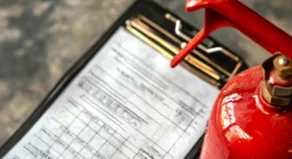
Fire safety is an ongoing responsibility for every business, property owner, and facility manager. Installing fire protection equipment is only the first step—ensuring that those systems continue to function properly through regular maintenance is equally important. Fire alarms, fire extinguishers, emergency lighting, sprinkler systems, and other fire protection equipment require routine inspection and maintenance to remain reliable.
At Fire Safety Maintenance Services, we help organizations maintain dependable fire protection systems through professional maintenance, thorough inspections, and detailed reporting tailored to each facility's needs.
What Are Fire Safety Maintenance Services?
Fire safety maintenance services involve the routine inspection, testing, servicing, and upkeep of fire protection equipment and systems within a building. These services help verify that equipment is functioning as intended and identify any components that require repair or replacement.
A comprehensive maintenance program may include:
- Fire alarm system inspections
- Fire extinguisher servicing
- Emergency lighting inspections
- Fire sprinkler system checks
- Exit sign inspections
- Fire hydrant inspections (where applicable)
- Fire door inspections
- Documentation and maintenance reporting
Each building has unique fire protection requirements, so maintenance programs should be tailored to the property's systems, occupancy, and operational needs.
Why Fire Safety Maintenance Matters
Improves Emergency Preparedness
Fire protection systems are designed to respond during emergencies. Routine maintenance helps verify that equipment is operational and available when needed, reducing the likelihood of unexpected failures.
Supports Workplace Safety
Employees and visitors rely on properly maintained fire protection systems for a safer environment. Regular maintenance contributes to an organization's overall workplace safety program.
Identifies Problems Early
Over time, fire protection equipment may experience wear, corrosion, battery deterioration, mechanical failure, or accidental damage. Scheduled maintenance helps detect these issues before they affect system performance.
Supports Regulatory Compliance
Many fire protection systems require routine inspection and maintenance under local regulations and applicable fire safety standards. Keeping maintenance records and following recommended service schedules helps organizations manage their compliance responsibilities.
Protects Property
Although maintenance cannot prevent every fire, properly functioning fire protection systems may help reduce the impact of a fire by supporting early detection, occupant notification, and fire suppression efforts.
Key Components of Fire Safety Maintenance
A complete maintenance program addresses all major fire protection systems throughout the facility.
Fire Alarm Systems
Fire alarm systems should be inspected regularly to confirm that control panels, detectors, manual call points, notification devices, and backup power supplies are functioning correctly.
Fire Extinguishers
Portable fire extinguishers should be inspected periodically to verify that they are accessible, properly charged, free from visible damage, and ready for use.
Emergency Lighting and Exit Signs
Emergency lighting and illuminated exit signs should be tested to help ensure they operate during power outages and provide safe evacuation guidance.
Fire Sprinkler Systems
Sprinkler system maintenance may include inspections of sprinkler heads, valves, piping, gauges, and related system components to identify visible damage or operational concerns.
Fire Doors
Fire doors play an important role in slowing the spread of fire and smoke. Maintenance includes checking door operation, seals, hinges, closing mechanisms, and overall condition.
Common Issues Identified During Maintenance
Routine maintenance often uncovers issues that may not be obvious during everyday operations, including:
- Low or depleted fire extinguisher pressure
- Damaged emergency lighting batteries
- Malfunctioning fire alarm devices
- Obstructed sprinkler heads
- Missing safety signage
- Worn fire door hardware
- Corrosion on fire protection equipment
- Expired inspection labels
- Damaged electrical connections
Addressing these issues promptly helps improve system reliability and supports ongoing safety efforts.
Businesses That Benefit from Fire Safety Maintenance Services
Routine fire safety maintenance is beneficial for a wide range of properties, including:
- Commercial office buildings
- Retail stores
- Warehouses
- Manufacturing facilities
- Healthcare facilities
- Schools and universities
- Hotels
- Restaurants
- Apartment complexes
- Government buildings
- Distribution centers
- Industrial facilities
Any building equipped with fire protection systems should establish a routine maintenance schedule.
Best Practices for Maintaining Fire Protection Systems
Property owners and facility managers can support system reliability by following several best practices:
- Schedule regular professional maintenance.
- Perform routine visual inspections between service visits.
- Keep fire protection equipment accessible at all times.
- Replace damaged or worn components promptly.
- Train employees on emergency procedures.
- Maintain organized inspection and maintenance records.
- Address deficiencies as soon as they are identified.
These practices help improve preparedness and reduce the risk of unexpected equipment failures.
Choosing the Right Fire Safety Maintenance Provider
Selecting an experienced maintenance provider is an important part of protecting your facility.
Look for a company that offers:
- Qualified fire safety professionals
- Comprehensive maintenance services
- Detailed inspection and service reports
- Flexible scheduling
- Prompt customer support
- Experience with multiple fire protection systems
- A commitment to quality and workplace safety
An experienced provider will tailor maintenance services to the specific needs of your property and help you keep your fire protection systems in good working order.
Why Choose Fire Safety Maintenance Services?
At Fire Safety Maintenance Services, we are committed to helping businesses maintain dependable fire protection systems through professional inspections, preventive maintenance, and detailed documentation.
Whether you manage a single property or multiple facilities, we provide maintenance solutions designed to support your operational requirements and long-term safety goals.
Conclusion
Fire protection systems require ongoing attention to remain effective. Regular fire safety maintenance helps verify that equipment is functioning properly, identifies potential issues before they become major problems, and supports a safer environment for building occupants.
By investing in professional maintenance services, organizations can strengthen their fire safety programs, improve emergency preparedness, and maintain reliable fire protection equipment throughout the year.
At Fire Safety Maintenance Services, we are dedicated to providing professional maintenance solutions that help businesses protect their people, property, and operations through dependable service and expert support.
Frequently Asked Questions
1. What are fire safety maintenance services?
Fire safety maintenance services involve the inspection, testing, servicing, and upkeep of fire protection systems such as fire alarms, extinguishers, emergency lighting, sprinkler systems, and exit signs.
2. Why is regular fire safety maintenance important?
Regular maintenance helps identify equipment issues, supports emergency preparedness, improves system reliability, and assists organizations in maintaining their fire safety programs.
3. Which fire protection systems should be maintained?
Common systems include fire alarms, fire extinguishers, sprinkler systems, emergency lighting, exit signs, fire hydrants, and fire doors.
4. How often should fire safety equipment be maintained?
Maintenance frequency depends on the type of equipment, manufacturer recommendations, and applicable regulations. Property owners should follow the required inspection and maintenance schedule for their facility.
5. What happens during a fire safety maintenance visit?
Technicians inspect fire protection equipment, test system functionality where appropriate, identify maintenance needs, document findings, and recommend repairs or replacements if required.
6. Who benefits from fire safety maintenance services?
Commercial buildings, industrial facilities, warehouses, healthcare organizations, schools, hotels, apartment complexes, retail businesses, and government facilities all benefit from routine maintenance.
7. Why should I hire a professional fire safety maintenance company?
Professional technicians have the knowledge and experience to inspect multiple fire protection systems, identify potential issues, and provide detailed documentation to support ongoing maintenance programs.
8. Why choose Fire Safety Maintenance Services?
Fire Safety Maintenance Services provides professional maintenance, comprehensive inspections, detailed reporting, and dependable customer support to help businesses maintain reliable fire protection systems and improve emergency preparedness.