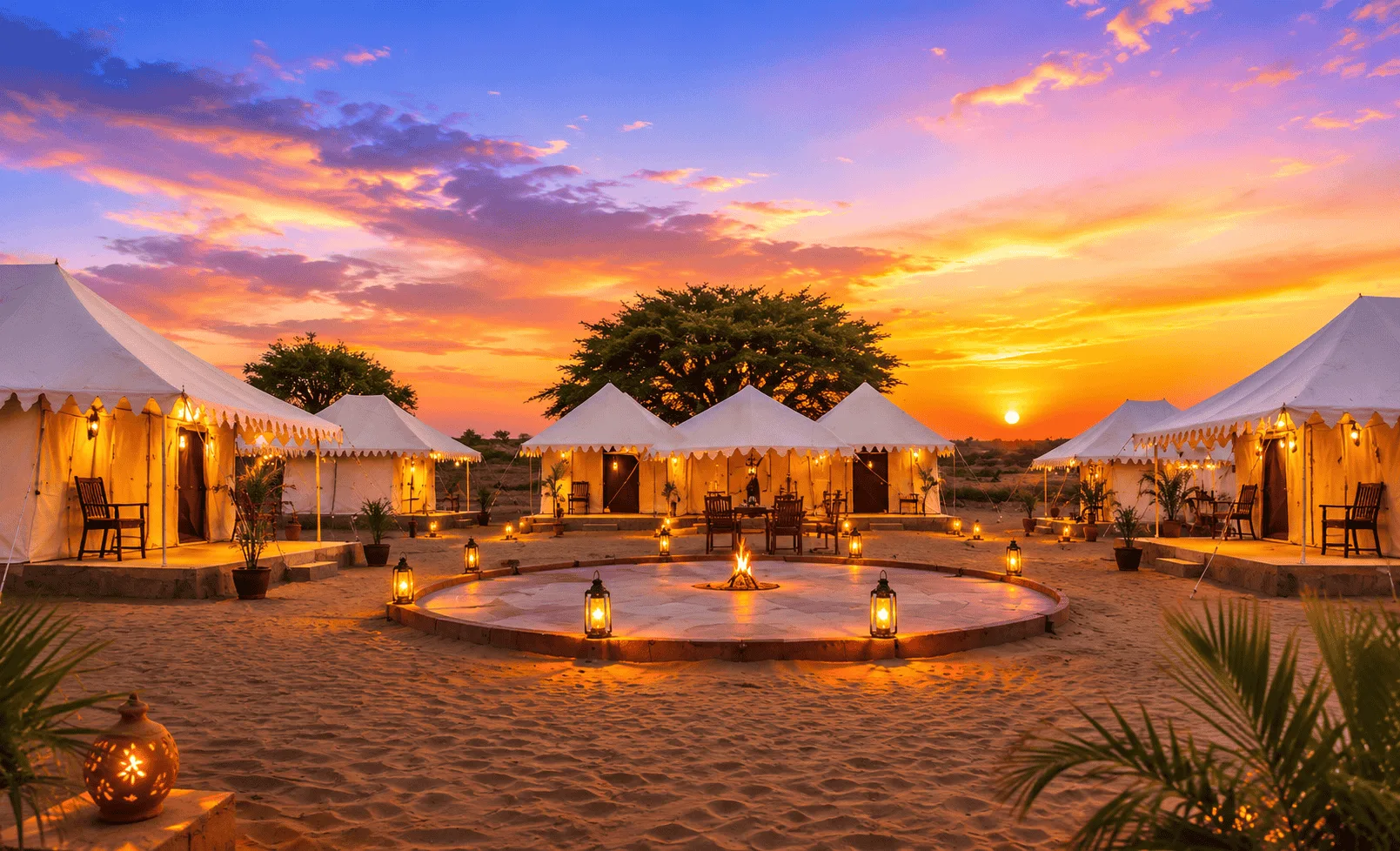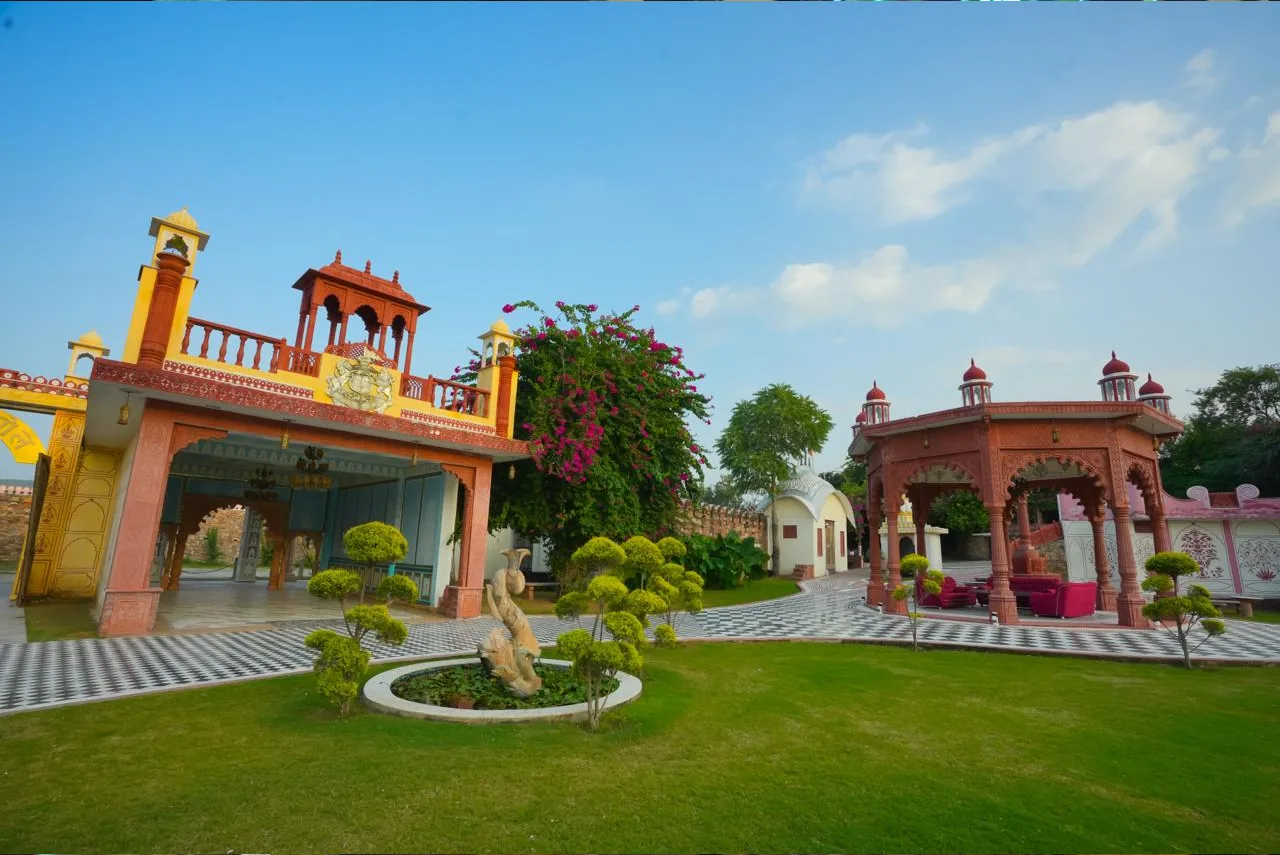
Resort photographs usually direct attention toward rooms, swimming pools, restaurants and decorative architecture. These features certainly matter, but they do not reveal how the property will feel once guests begin moving through it. A resort may look impressive in carefully framed photographs yet feel congested when families, staying guests, event attendees and day visitors use its spaces simultaneously. The quality of a resort experience is therefore influenced not only by what the property contains, but also by how comfortably everything has been arranged.
Space affects almost every part of a holiday. It determines whether children can explore without constantly being restricted, whether couples can find moments of privacy, whether elderly guests can move comfortably and whether a wedding celebration can operate without disturbing residential areas. Thoughtful spatial planning also helps hospitality teams manage dining, recreation, guest arrivals, services and events more efficiently. Travellers may not consciously analyse these details, but they immediately notice the comfort or inconvenience they create.
A Large Property Is Not Automatically a Well-Planned Property
A resort’s total land area provides only the beginning of the story. Two properties of similar size can create completely different experiences depending on how their rooms, pathways, gardens, activity zones, restaurants, pools and event venues are positioned. A large campus can still feel inconvenient if guests must follow confusing routes or walk excessive distances between essential facilities.
Good resort planning creates relationships between spaces. Accommodation should feel connected to dining and recreation without losing privacy. Active areas should remain accessible without allowing continuous noise to enter peaceful zones. Event venues require practical arrival and service routes, while families need visible and comfortable areas where children can participate safely.
The most successful layouts do not force every guest into the same central area. They distribute experiences across the property while maintaining clear connections. Guests can move naturally between active and quiet environments without feeling lost or isolated.
Space Gives Different Guests Permission to Want Different Things
A family vacation rarely involves one shared preference throughout the day. Children may want games and swimming, parents may seek a combination of participation and relaxation, teenagers may want independent activities, and grandparents may prefer shade, conversation and comfortable seating. If every experience is concentrated in one crowded location, these different expectations begin to compete.
A spacious resort allows family members to enjoy separate experiences without feeling disconnected. Children can participate in activities while adults remain nearby. One group can enjoy a lively recreation area while another spends time in a quieter garden. The family can reunite for meals and shared experiences without being required to remain together every minute.
This flexibility is particularly important during multigenerational holidays. A destination becomes genuinely inclusive when guests can adjust the pace of their day according to their energy, comfort and interests.
Privacy Depends on Distance, Movement and Visibility
Privacy in hospitality does not mean complete isolation. It means allowing guests to enjoy personal time without feeling continuously observed, interrupted or surrounded by unrelated activity. Room design contributes to privacy, but the surrounding layout often matters just as much.
When balconies face busy pathways, event guests regularly pass residential areas or recreational noise reaches accommodation throughout the day, even a luxurious room can feel less restful. Thoughtful separation between public, semi-private and private zones protects the atmosphere of a stay.
Landscaping can also create privacy without making spaces feel enclosed. Trees, gardens, changes in elevation and carefully positioned pathways help soften visibility and sound. These natural transitions create psychological distance, giving guests the feeling that their part of the resort belongs to them for a while.
Movement Shapes the Guest’s Emotional Experience
Every resort stay involves movement: arriving at the entrance, reaching the room, walking to breakfast, finding activities, visiting the pool and returning after dinner. When these journeys feel simple, guests rarely mention them. When they feel confusing or inconvenient, they affect the entire impression of the property.
Clear pathways reduce the need for repeated directions. Appropriate lighting makes evening movement more comfortable. Resting points help elderly guests, while visible landmarks allow children and adults to understand the campus more easily. Service routes also matter because luggage movement, housekeeping, food delivery and event operations should function without constantly crossing guest leisure areas.
Travellers evaluating the Best resort in Jaipur should therefore consider more than accommodation photographs. The relationship between spaces, ease of movement and separation of activities can reveal how comfortably the property will support an actual stay.
Open Space Changes the Quality of a Family Holiday
Modern families spend much of their daily lives inside controlled environments. Adults move between homes, offices and vehicles, while children divide their time among classrooms, screens and structured activities. A resort holiday provides an opportunity to experience physical and mental openness that is increasingly absent from urban life.
Open landscapes allow children to move, observe nature and participate in activities without feeling confined. Parents can relax more easily when recreation happens within a spacious, managed environment. Walking through greenery, sitting outdoors and seeing long, uninterrupted views also help guests feel that they have travelled away from routine, even when the resort remains within practical distance of Jaipur.
Space is therefore not an empty area waiting to be developed. It is an active hospitality feature. It gives guests room to slow down, choose their own pace and experience the destination without constant crowd pressure.
Day Visitors and Staying Guests Need Different Rhythms
A day visitor often arrives with high energy and a limited number of hours. The priority may be swimming, games, dining and spending as much time as possible with family or friends. Staying guests generally follow a slower rhythm, balancing activities with rest, private room time and unhurried meals.
When these two guest journeys are not spatially considered, they can interfere with one another. Active day experiences may create noise near accommodation, while residential movement can complicate recreational areas. A thoughtful resort layout allows both groups to enjoy the property without either feeling that the other has taken control of the environment.
Families researching a day outing resort in Jaipur should confirm which facilities are included in the selected package and how the available areas are organised. The value of a day experience depends on usable space, comfortable movement and variety—not only the number of advertised activities.
Weddings Place Extraordinary Pressure on Resort Space
A wedding transforms the way a resort functions. Guest arrivals may happen in large waves, luggage must reach rooms, vendors need controlled access, food service operates at scale and several ceremonies may take place across different hours. At the same time, elderly relatives need comfortable movement, children require supervision and the couple needs privacy for preparation.
This is why attractive lawns and banquet halls are only part of wedding suitability. The property must support movement behind the visible celebration. Entry routes, parking, guest accommodation, service access, preparation rooms, dining areas and ceremony venues must work together without creating unnecessary congestion.
When assessing a destination wedding resort in Jaipur, families should study how the venue manages people and transitions—not simply how the stage looks in photographs. A well-planned wedding resort makes complex operations feel effortless to guests.
Space Influences How Crowds Feel
Two resorts may host the same number of guests but feel completely different. Crowd experience depends on how people are distributed and whether enough alternative spaces exist. If the pool, dining area, activities and primary seating are concentrated together, even moderate occupancy can feel overwhelming.
A property with multiple activity zones, gardens and relaxation areas allows guests to spread naturally. Some visitors may swim, others may dine, while another group walks or participates in games. This distribution reduces visual and acoustic pressure without requiring the property to feel empty.
Crowd comfort is especially important for families. Parents are more relaxed when children have room to participate safely, and elderly guests benefit from quieter areas away from constant activity.
Lohagarh Fort Resort and the Value of Scale
Lohagarh Fort Resort is spread across a 56.25-acre campus near Jaipur. Its scale supports accommodation, recreation, nature-led experiences, dining and celebrations within one destination. The property offers more than 100 rooms, suites, villas and distinctive stay categories, allowing different types of guests to select accommodation according to privacy, group size and desired experience.
The campus also supports more than 15 recreational activities across the resort’s broader hospitality offering. Families can combine active experiences with open surroundings, while guests seeking a quieter break can spend time in landscaped and nature-oriented areas. Wedding and celebration spaces operate as another important layer of the property’s use.
The significance of 56.25 acres is not the number alone. Its value lies in the ability to support multiple guest journeys: family holidays, private stays, day experiences, wellness, dining and large celebrations. Guests should still confirm current facility access, activity availability and package inclusions before visiting, as these may vary according to booking type, date and operational conditions.
What Travellers Should Observe During a Resort Visit
Guests do not need architectural expertise to evaluate spatial quality. They can pay attention to a few practical experiences:
- Does arrival feel organised?
- Can important facilities be found easily?
- Are active and quiet areas appropriately separated?
- Do children have room to participate comfortably?
- Are seating and shade available?
- Can elderly guests move without excessive difficulty?
- Do event areas interrupt residential privacy?
- Does the property still feel comfortable when several groups are present?
These observations reveal more than a list of facilities. They demonstrate how the resort functions when real guests begin using it.
Final Thoughts
The most valuable resort spaces are not always the most photographed. A shaded pathway, a quiet garden, a clear route between rooms and dining, or sufficient distance between a wedding venue and accommodation may never appear in a promotional gallery. Yet these details often determine whether the stay feels effortless.
Space creates freedom, but planning converts that freedom into hospitality. When accommodation, recreation, dining, events and nature work together, guests can choose how they want their time to unfold. Families feel less restricted, couples find privacy, celebrations move more smoothly and every visitor experiences the property at a more comfortable pace.
A resort should therefore be evaluated not only by what has been built, but by how intelligently guests are allowed to live within it.