Manufacturing has evolved far beyond standardized production lines and one-size-fits-all products. Today’s customers expect customization, faster turnaround times, and accurate pricing before making purchasing decisions. Meeting these expectations while maintaining efficiency can be challenging for manufacturers handling complex product configurations. This is where visual CPQ technology has become a critical tool for modern manufacturing businesses.
Meeting the Demand for Customization
Modern buyers want products tailored to their specific needs. Whether it involves dimensions, materials, colors, or technical features, customization has become a competitive requirement rather than a premium option. Traditional quoting systems often struggle to handle numerous configuration possibilities, increasing the risk of delays and mistakes.
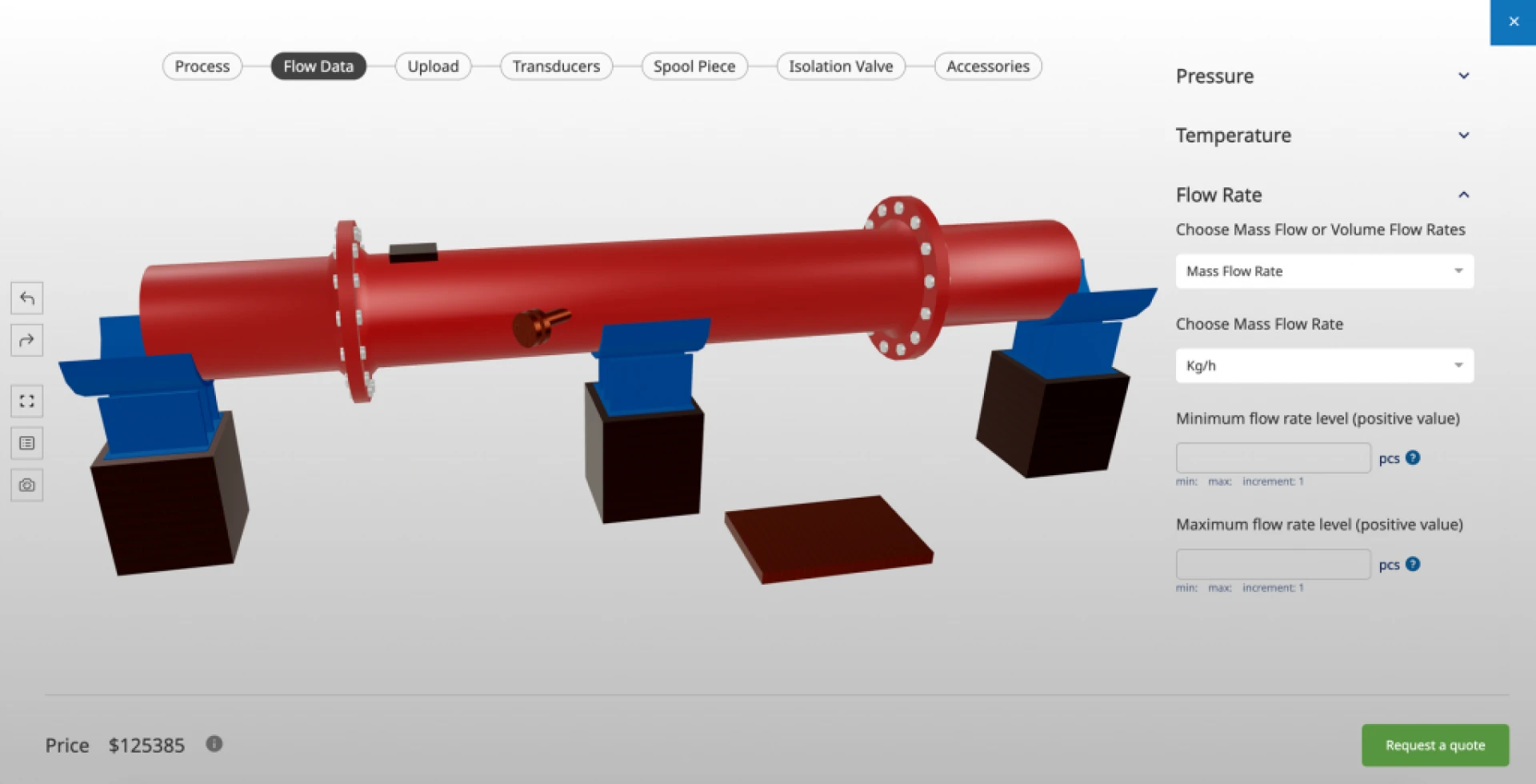
Visual CPQ enables manufacturers to present configurable products through interactive 3D visualization. Customers and sales teams can see real-time changes as options are selected, ensuring the final product meets requirements before production begins. This feature not only makes things more accurate, but it also gives customers more faith in the buying process.
Reducing Errors in Complex Configurations
Manufacturing products with multiple components and dependencies often leads to configuration errors. Incorrect specifications can result in production delays, wasted materials, and costly rework. Manual processes or outdated systems increase the likelihood of incompatible selections slipping through.
By implementing visual CPQ, manufacturers can automate rules and constraints that prevent invalid configurations. The system ensures only feasible combinations are selected, reducing engineering corrections and minimizing production disruptions. This automation protects profit margins while improving operational efficiency.
Accelerating Sales and Quoting Processes
Speed matters in competitive manufacturing markets. Customers expect fast and accurate quotes, and delays can result in lost opportunities. Traditional quoting methods often involve back-and-forth communication between sales teams, engineers, and production planners.
Visual CPQ streamlines this process by automating pricing calculations and generating accurate quotes instantly. Sales teams can configure products, apply pricing rules, and deliver professional proposals in minutes rather than days. Faster response times help manufacturers secure deals while improving customer satisfaction.
Enhancing Collaboration Between Departments
Manufacturing involves coordination between sales, engineering, and production teams. Miscommunication between departments can lead to errors, inefficiencies, and missed deadlines. Visual CPQ creates a shared platform where all stakeholders work with the same configuration logic and product data.
When a product is configured, the system ensures that engineering specifications, production requirements, and pricing structures align seamlessly. This alignment reduces misunderstandings and ensures smoother transitions from order placement to manufacturing.
Improving Customer Experience and Confidence
In modern manufacturing, the buying experience plays a significant role in decision-making. Customers want transparency, accuracy, and assurance that their customized product will match expectations. Visual representation of configurations eliminates uncertainty and builds trust.
With visual CPQ, customers can see exactly what they are ordering, reducing misunderstandings and post-delivery disputes. The ability to visualize products in real time also makes the purchasing process more engaging and professional.
Supporting Scalability and Digital Transformation
As manufacturing businesses grow, managing product complexity and order volume becomes increasingly difficult. Digital transformation is essential for scaling operations without sacrificing quality or efficiency.
Visual CPQ supports scalability by standardizing configuration rules, automating workflows, and integrating with enterprise systems such as ERP and CAD platforms. This integration makes sure that data flows smoothly from sales to production, which gives makers the confidence to grow.
Staying Competitive in a Rapidly Evolving Market
Manufacturers face increasing pressure to deliver customized solutions quickly while maintaining cost efficiency. Companies that rely on manual processes risk falling behind competitors that leverage automation and digital tools.
Adopting visual CPQ provides a strategic advantage by improving accuracy, accelerating sales cycles, and enhancing customer satisfaction. In a market where speed, customization, and precision define success, this technology is no longer optional but essential.
Conclusion
Modern manufacturing demands agility, accuracy, and customer-focused solutions. Visual CPQ empowers manufacturers to manage complex configurations, reduce errors, accelerate quoting, and improve collaboration across teams. By enhancing the customer experience and supporting digital transformation, this technology enables businesses to meet evolving market demands while maintaining operational efficiency. For manufacturers aiming to remain competitive and future-ready, visual CPQ has become an indispensable solution.