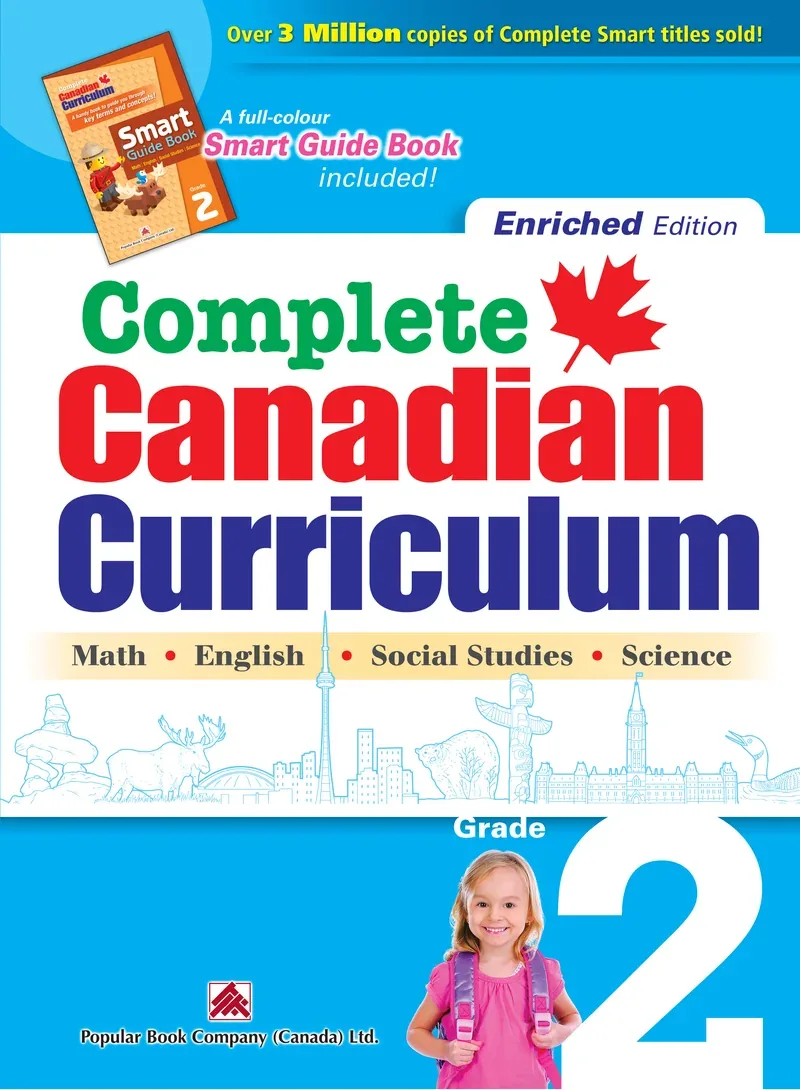
Paper Still Has a Place in Modern Learning
Workbooks for kids still matter because they help develop skills that screens cannot fully replace, including handwriting, fine motor control, sustained focus, and the confidence that comes from completing a task independently. When used alongside digital learning tools, workbooks provide children with a calm, hands-on way to practise and reinforce what they learn.
Today's children grow up surrounded by tablets, educational apps, and online classrooms. These digital tools offer valuable learning opportunities, but many parents and teachers notice that something can be lost when every lesson takes place on a screen. Traditional pencil-and-paper workbooks fill this gap by encouraging active participation, independent practice, and a more focused learning experience.
1. They Build Handwriting, Fine Motor Skills, and Memory
Activities such as tracing letters, colouring inside lines, and drawing shapes help develop the small muscles in a child's hands and fingers. These fine motor skills support everyday tasks such as buttoning a coat, using scissors, and writing clearly. Regular workbook practice gives children opportunities to strengthen these abilities while becoming more comfortable with pencil control and written expression.
Writing by hand also engages the brain differently than tapping or swiping on a screen. Research has linked handwriting with stronger letter recognition and recall in young learners. When children write a word or solve a maths problem on paper, they slow down and process each step, which can help reinforce learning and improve their understanding of the material.
2. They Support Focus With Fewer Distractions
Tablets and other digital devices often contain games, videos, and notifications that are only a tap away from the lesson. Even well-designed learning apps may use sounds, animations, and rewards that draw children's attention in several directions.
A workbook provides a simpler learning environment, with one page and one task at a time. Without pop-ups, autoplay, or other digital interruptions, children can concentrate on the activity in front of them. This screen-free practice helps develop sustained attention, a skill that supports reading longer books, following classroom instructions, and completing homework independently.
3. They Build Independence, Confidence, and Visible Progress
There is a real sense of satisfaction in flipping through a workbook and seeing pages filled with a child's own work. Unlike app scores that may disappear after a session, a completed workbook provides a physical record of progress that children can share with parents, grandparents, and teachers.
Workbooks also encourage independent learning by allowing children to read instructions, attempt problems, and check their answers with minimal adult assistance. Each completed activity can strengthen their confidence and give them a greater sense of ownership over their learning.
For parents, workbooks offer a useful way to understand a child's progress. A quick review of completed pages can reveal areas where a child is developing strong skills and subjects where additional practice or support may be helpful.
4. They Balance Screen Time, Not Replace It
The goal of using workbooks is not to choose paper over technology. Digital learning tools offer instant feedback, interactive visuals, audio, and access to a wide range of educational content. Workbooks provide depth, focus, and hands-on practice. Together, they create a balanced learning routine that supports different learning needs.
Workbooks are particularly useful for developing handwriting and fine motor skills, encouraging sustained focus, and providing opportunities for independent practice. Digital tools can complement these activities through interactive visuals, audio instructions, and immediate feedback. While workbooks may include answer keys for checking progress, digital platforms often provide automated responses and interactive exercises.
Many families find that combining both formats works well. A short educational app session can introduce a new concept, followed by a workbook activity that allows the child to practise what they have learned. Workbooks are also convenient for car rides, waiting rooms, and screen-free evenings because they do not require electricity, internet access, or a charged device.
How to Choose the Right Workbook for Your Child
Choosing the right workbook depends on your child's learning level, interests, and educational needs. Rather than selecting a workbook based only on age, look for activities that provide a manageable challenge without causing unnecessary frustration. A workbook that is slightly above your child's current ability can encourage growth while still allowing them to experience success.
It is also helpful to choose workbooks that align with your local school curriculum so that children can reinforce what they are learning in the classroom. Engaging designs with colourful illustrations, stickers, puzzles, and varied activities can help younger children stay motivated and enjoy the learning process.
For older children, workbooks with answer keys provide opportunities to check their own work and develop greater independence. Keeping practice sessions short and enjoyable is equally important. Around ten to fifteen minutes of daily practice can be a useful starting point for young children, helping them build consistency without making learning feel like a chore.
Frequently Asked Questions
At What Age Should Kids Start Using Workbooks?
Many children can begin using simple tracing, colouring, and shape workbooks around the ages of three to four. At this stage, activities should be short, playful, and appropriate for the child's developing motor skills. As children grow, they can gradually move on to more structured activities involving letters, numbers, reading, and basic maths.
Are Workbooks Better Than Learning Apps?
Neither workbooks nor learning apps are necessarily better on their own. Workbooks help develop handwriting, fine motor skills, focus, and independent practice, while digital apps provide interactive activities, audio, and instant feedback. Using both formats gives children a more balanced learning experience that supports a variety of educational needs.
How Often Should My Child Use a Workbook?
A few short workbook sessions each week can be a good starting point. As children become more comfortable with the activities, families can gradually establish a regular routine. Consistency is generally more valuable than long sessions that may cause fatigue or frustration.
Workbooks Remain a Smart Choice for Growing Minds
In a world full of screens, workbooks for kids offer something steady and valuable. They strengthen handwriting and fine motor skills, encourage concentration, build confidence, and give families a clear view of a child's progress. Their simple, hands-on approach allows children to practise important skills at their own pace while developing independence and a positive attitude toward learning.
When paired with digital learning tools, workbooks become an important part of a balanced educational routine. By combining the interactive benefits of technology with the focus and practical experience of paper-based activities, parents and teachers can create learning opportunities that help children thrive both in school and beyond.