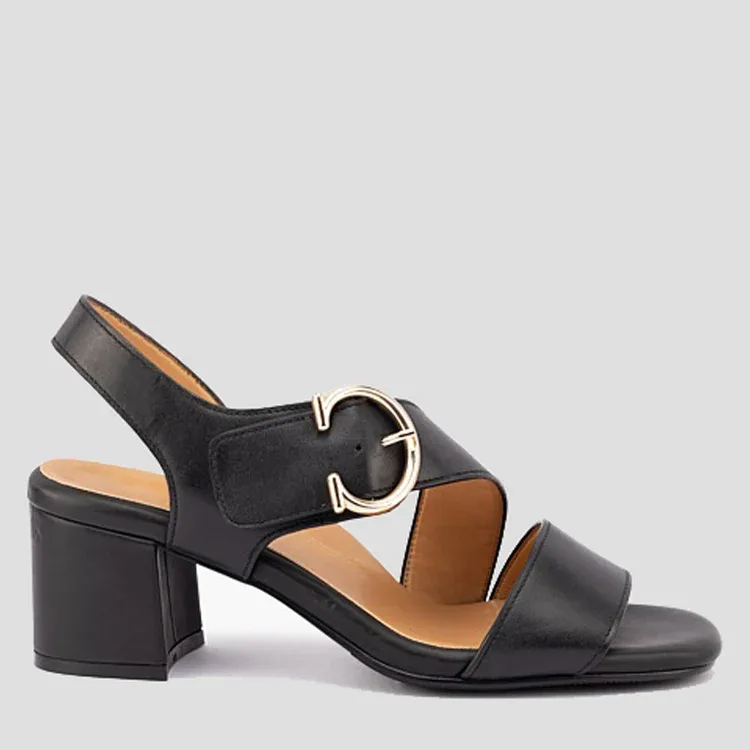
Finding heels that combine style and comfort can be challenging when standard footwear feels narrow. The right width, fit, and heel design can affect how shoes feel when you wear them. Wide-fit heels for women offer extra room across the foot and may suit people who need more space. Understanding the key features can help you choose footwear that balances appearance with everyday comfort.
Check the Width and Fit
Properly fitting heels should feel secure without squeezing your feet. Check the width, toe space, and heel fit before you buy. Consider these factors when assessing the fit:
- Toe Space: Allow enough room for your toes.
- Foot Width: Choose a width that suits your feet.
- Heel Fit: Make sure your heels stay securely in place.
- Overall Comfort: Walk around to check comfort and stability.
Well-fitting heels can reduce unnecessary pressure and improve walking comfort. Choose shoes that feel secure without restricting natural movement.
Consider the Heel Height and Shape
Heel height and shape affect comfort, balance and movement. Choose a design that suits your activities and how long you expect to wear them. Keep these points in mind when choosing the heel:
- Height: Select a manageable heel height for your activities.
- Shape: Consider block heels for greater stability.
- Occasion: Match the style to work or social events.
- Walking: Choose designs that let you move comfortably.
The right heel design can improve walking comfort while keeping your preferred style. Prioritise stability and fit for everyday wear.
Look for Supportive Features
Supportive features can influence how comfortable heels feel, particularly during extended wear. When comparing styles, consider cushioning, fastening, and sole construction. Look for these features when choosing wide-fit heels for women:
- Cushioned Footbeds: Provide padding underfoot.
- Adjustable Straps: Help keep shoes securely positioned.
- Roomy Toe Areas: Reduce pressure around sensitive areas.
- Slip-Resistant Soles: Offer better grip on suitable surfaces.
These features can make heels more practical for regular or occasional wear. Choose designs that provide support without feeling restrictive.
Consider Materials and Everyday Use
Materials affect how heels feel against your feet. Soft leather and flexible fabrics may accommodate natural movement and reduce rubbing around sensitive areas. When choosing comfortable shoes for women, consider whether the materials suit your daily activities. Breathable linings and smooth internal finishes may improve comfort during extended wear. Also, check whether the shoes suit your workplace requirements or planned occasion. A well-constructed pair should feel secure and allow comfortable movement.
Conclusion
Choosing comfortable shoes for women involves considering width, heel height, support and materials alongside appearance. Try different designs and walk around to assess their fit before purchasing. Pay attention to toe space, heel stability and cushioning, particularly if you expect to wear the shoes for several hours. A suitable pair can complement your personal style while keeping you comfortable at work, on outings, and at special occasions.