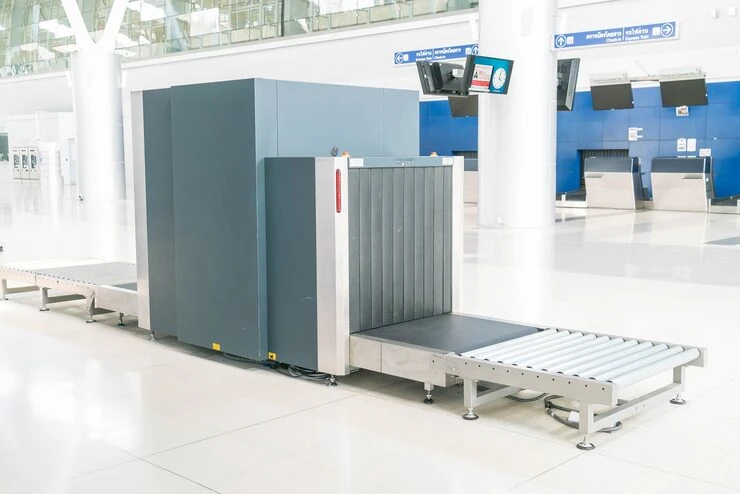
In an era where global security concerns are rising, the X Ray Baggage Scanner has become a critical component of every modern security infrastructure. From international airports and metro stations to government buildings and corporate facilities, the demand for advanced scanning technology has skyrocketed. A baggage scanner ensures that every piece of luggage passing through an entry point is thoroughly inspected for threats like explosives, contraband, or weapons — without causing delays to passenger movement.
Today’s security ecosystem relies heavily on automation and precision. As public places experience increased footfall, the need for high-performance, efficient, and accurate screening systems is greater than ever. The evolution of AI-based detection, enhanced imaging resolution, and automated alerts has transformed how security agencies detect potential risks.
This article explores how modern X Ray Baggage Scanners deliver reliability, speed, and compliance across sectors. It also serves as a practical guide for institutional buyers, facility managers, and system integrators looking to invest in state-of-the-art security solutions.
Understanding the Core Technology Behind X Ray Baggage Scanners
An X Ray Baggage Scanner operates on the principle of X-ray transmission and absorption. When an object passes through the scanning tunnel, the machine emits low-level X-rays that penetrate the baggage. These rays are absorbed differently by various materials—metal, plastic, organic matter, and liquids—allowing detectors to create a digital image that reveals concealed items.
Modern scanners are built with dual-view or multi-view imaging systems, which capture baggage from different angles to enhance detection accuracy. Unlike traditional single-view systems, these advanced models provide more detailed insights into the bag’s contents, reducing human error and false alarms.
Another critical component is AI-based image recognition, which assists operators by automatically highlighting suspicious items. Additionally, Automated Threat Recognition (ATR) software detects specific threat categories like weapons, detonators, or narcotics in real-time. Combined with low radiation output, safety shielding, and clear imaging, these scanners ensure compliance with international standards while maintaining operational efficiency.
Key Features That Define High-Performance X Ray Baggage Scanners
When selecting a high-performance scanner, organizations should focus on the following essential features:
High Penetration Power
The penetration capability determines how effectively the scanner can inspect dense or layered items. Premium systems can detect through steel plates up to several millimeters thick, ensuring reliable detection of hidden threats.
Dual Energy Imaging
This feature distinguishes between organic and inorganic materials, allowing security staff to differentiate between harmless items and dangerous substances quickly.
Automated Threat Detection (AI Integration)
Machine learning algorithms improve object recognition accuracy, flagging potential threats automatically without requiring manual intervention.
High Throughput Speed
Modern scanners can process hundreds of bags per hour, minimizing queues and enhancing passenger experience in high-traffic environments like airports.
User-Friendly Interface
Intuitive touch-screen interfaces and multi-language support simplify operation, training, and analysis for security personnel.
Low Radiation Emission & Safety Compliance
Certified under global safety standards such as AERB, ECAC, and TSA, these systems are safe for both operators and passengers.
Each of these features contributes to faster, more accurate, and more reliable threat detection, creating a stronger layer of protection in critical infrastructures.
Industry Applications: Where X Ray Baggage Scanners Are Essential
1. Airports & Aviation Security
Airports rely on baggage scanners to ensure that every passenger’s luggage is free from prohibited or dangerous items. Advanced scanners detect concealed explosives, knives, or firearms, helping maintain a secure environment without slowing boarding times.
2. Railways & Metro Systems
Metro stations and railway terminals are adopting X-ray screening technology to handle large crowds efficiently. Dual-view scanners detect metallic and non-metallic threats, ensuring quick yet thorough screening.
3. Government Buildings & Embassies
Government institutions, embassies, and defense offices require top-tier scanners to safeguard sensitive environments. These systems prevent entry of harmful items while maintaining smooth visitor access.
4. Corporate & Commercial Premises
Large enterprises and corporate parks use scanners for visitor management and parcel inspection. They integrate these scanners with access control and surveillance systems to form a unified security network.
5. Public Venues & Hospitality
Hotels, malls, and convention centers adopt X-ray screening for crowd safety, especially during events. Compact scanner models provide space-saving and efficient screening capabilities.
6. Logistics, Ports, and Warehousing
In logistics, customs, and courier hubs, scanners verify packages for contraband or undeclared goods. High-speed systems with larger tunnel sizes support heavy parcel screening without compromising accuracy.
Also Read:- X-Ray Baggage Scanner Machine India Advanced Entry Solutions
Advantages of Using High-Performance X Ray Baggage Scanners
Enhanced Security Accuracy – Identifies weapons, explosives, narcotics, and other threats with precision.
Faster Operations – Automated threat recognition reduces manual inspection time.
Improved Safety Compliance – Meets international standards like ISO, CE, TSA, and ECAC for radiation safety and reliability.
Operational Efficiency – High throughput keeps screening lines moving, improving passenger experience.
Scalability – Suitable for a range of facility types, from airports to small corporate offices.
Cost Optimization – Reduces long-term security costs through automation and minimal maintenance.
The combination of these advantages ensures a safer, faster, and more dependable screening environment in both public and private sectors.
How to Choose the Right X Ray Baggage Scanner for Your Facility
Choosing the right system requires balancing performance, cost, and compliance. Here are the key factors to consider:
- Throughput Requirement: Identify the number of items or passengers per hour to determine the scanner’s processing capacity.
- Compliance Certifications: Ensure your scanner adheres to AERB, TSA, and ECAC guidelines for safety and reliability.
- Tunnel Size: Larger tunnels are ideal for airports or cargo handling, while compact scanners work well in offices or hotels.
- Integration Capabilities: Verify if the scanner can connect with CCTV, access control, or visitor management systems.
- Maintenance and Support: Choose suppliers who provide full AMC services, on-site technician training, and software upgrades.
It’s also important to evaluate the baggage scanner machine price, which depends on technology, imaging resolution, and tunnel dimensions. While low-cost models might seem appealing, high-end systems offer superior reliability, lower downtime, and long-term savings.
Comparing Different X Ray Baggage Scanner Technologies
1. Single-View vs Dual-View Scanners
- Single-View Systems: Cost-effective and suitable for smaller premises but offer limited image clarity.
- Dual-View Systems: Capture two angles simultaneously, enhancing accuracy and reducing missed threats.
2. AI-Powered Scanners
- Use deep-learning algorithms for automatic threat identification.
- Reduce operator fatigue by providing real-time alerts and colored image segmentation.
3. Portable vs Fixed Units
- Portable Models: Best for temporary installations or mobile security checkpoints.
- Fixed Models: Used in high-volume, permanent security installations like airports.
4. CT and 3D Imaging Scanners
- Offer volumetric image analysis for superior object recognition.
- Ideal for high-risk areas where complete threat detection is essential.
The Role of Artificial Intelligence and Automation
AI and automation have revolutionized X-ray scanning. With Automated Threat Recognition (ATR) and machine learning, scanners now identify complex threats that traditional systems might overlook.
Benefits of AI in modern scanners include:
- Reduced Human Error: Automated systems highlight suspicious areas, ensuring consistent accuracy.
- Faster Decision-Making: Real-time analysis enables quicker responses to security alerts.
- Predictive Maintenance: AI diagnostics detect performance issues before breakdowns occur.
- Data Analytics Integration: Cloud-based systems allow central monitoring across multiple facilities.
Through continuous learning, AI enhances the scanner’s ability to detect emerging threats, making it a powerful ally in high-stakes environments.
Compliance and Safety Standards
Compliance ensures not only safety but also the credibility of your security setup. High-performance scanners adhere to the following certifications:
- TSA (Transportation Security Administration): Regulates screening standards for airports.
- ECAC (European Civil Aviation Conference): Certifies scanners for aviation use in Europe.
- AERB (Atomic Energy Regulatory Board): Ensures radiation safety compliance in India.
- ISO/IEC Standards: Guarantee global reliability and quality assurance.
Compliance with these standards ensures that scanners emit safe radiation levels, protect operator health, and maintain accurate detection performance across all use cases.
Installation, Maintenance, and Support Considerations
Successful deployment of X-ray systems requires proper installation and ongoing maintenance.
- Installation Requirements: Scanners need stable power, sufficient tunnel clearance, and a controlled environment for accuracy.
- Calibration: Regular calibration ensures consistent image quality and detection accuracy.
- Maintenance: Preventive maintenance, including cleaning detectors and updating software, keeps systems running optimally.
- Technical Support: Choose vendors offering remote diagnostics, annual maintenance contracts (AMC), and 24/7 support services.
A well-maintained scanner delivers consistent performance, minimizes downtime, and extends equipment lifespan.
Future of X Ray Baggage Scanning: Innovation and Trends
The future of scanning technology is driven by AI, automation, and 3D imaging.
Emerging Trends Include:
- 3D and CT Imaging: Enables multi-angle detection and detailed visualization.
- AI-Based Recognition: Enhances real-time decision-making and reduces false positives.
- Cloud Integration: Facilitates data centralization and remote management.
- Energy Efficiency: Eco-friendly designs reduce power consumption while maintaining performance.
These innovations are reshaping security infrastructures, ensuring that tomorrow’s systems are smarter, faster, and more reliable.
Building Smarter Security Ecosystems with Integrated Solutions
The true power of an X Ray Baggage Scanner lies in integration. When combined with other security technologies, it creates a comprehensive safety ecosystem.
Integration Opportunities:
- Access Control Systems – Restricts unauthorized entry.
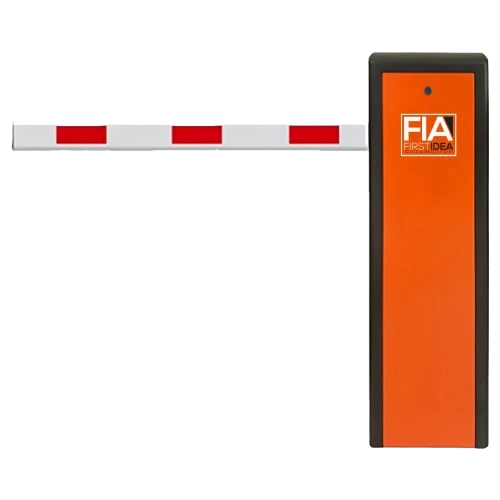
2. Turnstiles and Boom Barriers – Automates entry management.
3. Video Surveillance Systems – Provides real-time monitoring.
4. Visitor Management Platforms – Maintains digital visitor logs for traceability.
Such integration delivers centralized monitoring, improved coordination, and faster emergency response. It also enhances operational intelligence, creating a fully automated and proactive security network.
Final Thought
Investing in a high-performance X Ray Baggage Scanner is more than a security measure—it’s a strategic decision toward operational excellence and compliance. Whether for an airport, government office, or logistics hub, these scanners ensure every individual and parcel undergoes efficient, non-intrusive inspection.
Future-ready scanners combine AI, automation, and intelligent analytics to strengthen threat detection while keeping operational costs low. By integrating these systems into wider access control and monitoring networks, organizations can build a seamless, smart security framework for the modern world.
For buyers and institutions aiming to upgrade their screening systems, exploring the best bag scanning machine options is the key to ensuring unmatched safety, efficiency, and trust.