Integrating Yoga & Meditation into Addiction Recovery at Hope in Dehradun
At Hope – Rehabilitation & De‑addiction Center, located in the serene surroundings of Dehradun, we believe that healing is more than just detoxification or therapy sessions. True recovery involves nurturing the mind, body, and soul in harmony. That is why our approach is deeply rooted in Yoga & Meditation in Dehradun as essential pillars of rehabilitation.
Why Yoga & Meditation Matter in Recovery
Addiction places intense strain on both physiology and psyche. The journey of detox and counseling helps to break physical dependence and confront underlying psychological triggers, but long‑term recovery depends on building resilience, balance, and self‑awareness. Yoga and meditation are time-tested tools that:
Calm an overactive nervous system
Improve breath regulation and oxygenation
Reduce stress, anxiety, and internal cravings
Increase flexibility, strength, and body awareness
Cultivate focus, emotional regulation, and resilience
When you integrate yoga & meditation into your daily schedule, you give yourself the tools to meet challenges with steadiness rather than reaction. Over time, simple mindfulness practices become second nature, helping sustain recovery even after formal treatment concludes.
Our Philosophy: Gentle, Daily Integration—not Intensive Classes
At Hope, we don’t treat yoga and meditation as optional or separate “extras.” Instead, they are woven into the fabric of each recovery day. Our philosophy is to make these practices accessible, comfortable, and sustainable.
Morning Routine:
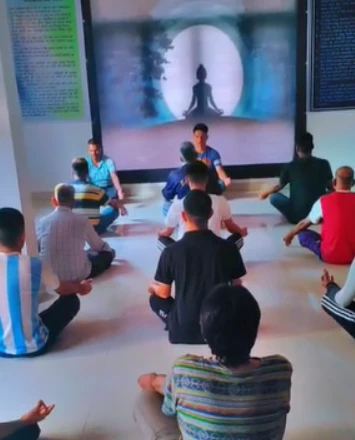
Each day begins with light stretching, gentle asanas (postures), and breath work (pranayama). These early practices help energize the body, ease stiffness, and center the mind before the day's therapies begin.
Midday / Breaks:
Between group counseling, individual therapy, and recreational activities, short breathing exercises or walking meditations help reset focus, reduce stress, and release physical tension.
Evening Wind‑Down:
The day ends with guided meditation, visualization, or gentle restorative yoga. This promotes deeper sleep, calms residual anxiety, and encourages reflection.
Because our yoga & meditation approach is gentle, inclusive, and guided, it suits people at different physical fitness levels—even those who haven’t practiced before.
What to Expect in Our Yoga & Meditation Sessions
While every patient’s journey is unique, here are the typical features of our integrated sessions:
Personalized assessment – We tailor postures, breathing patterns, and meditation styles to individual physical and emotional needs.
Breath awareness (Pranayama) – Techniques such as alternate nostril breathing, deep diaphragmatic breathing, and Ujjayi breathing help regulate the autonomic nervous system.
Gentle Asanas (Yoga postures) – We choose asanas that build flexibility, strength, balance, and ease, without pushing too hard.
Guided Meditation & Mindfulness – We introduce practices like body scan, mantra meditation, sweeping awareness, or loving‑kindness (metta).
Relaxation / Restorative Poses – Practices such as Savasana or supported yoga help the nervous system integrate and recover.
Progressive adaptation – As recovery strengthens, participants may gradually move into more challenging postures or longer sessions.
All of these are supervised by experienced instructors who understand the sensitivities of addiction recovery.
Benefits You’ll Experience in Dehradun’s Holistic Setting
Because our center is based in Dehradun, we enjoy a calmer, greener environment, away from urban stressors. Combine that with expert guidance, and the benefits multiply. Some of the more tangible results our clients often report include:
Better sleep quality
Reduced cravings and emotional reactivity
Enhanced mood and stable energy levels
Greater self-esteem, self‑control, and inner calm
Improved physical health, posture, and resilience
Stronger ability to cope with triggers and life stressors
By practicing yoga & meditation in Dehradun, you benefit not only from the techniques themselves but also from the tranquil, natural surroundings that support reflection and healing.
Yoga & Meditation—A Complement to Our Core Programs
While detoxification, counseling, psychology classes, and therapy are foundational, yoga & meditation act as powerful complements. They help anchor what is learned in therapy into daily living. Many clients tell us that:
Techniques learned in meditation sessions help them pause before relapse impulses
Postural awareness learned in yoga helps with chronic tension and pain
Breathing tools help manage anxiety or mood disturbances
The continuous practice becomes part of their daily lifestyle after discharge
In short, yoga & meditation are not add-ons—they are fundamental pillars that support sustainable recovery and long-term wellness.
Testimonials & Voices from Our Center
“I never thought I could sit still or breathe deeply without restlessness—but the gentle meditation at Hope taught me to come home to my body. It changed how I cope.” — Former client, Hope Center, Dehradun
“The morning stretches and pranayama helped me release built-up tension and gave me a more peaceful start to the day. Over weeks, I felt stronger inside and out.” — Program graduate
These voices reflect how gradual, consistent yoga & meditation practices can enrich the recovery journey.
Why Choose Hope for Yoga & Meditation in Dehradun?
Specialized for recovery – Our instructors and therapists understand addiction, relapse risks, and emotional fragility.
Holistic integration – Yoga & meditation are part of your daily regimen—not a side program you must schedule separately.
Adapted for all levels – Beginners or advanced practitioners alike will find support, no pressure to “perform.”
Natural, peaceful environment – Dehradun’s calm setting supports reflection, mindfulness, and healing.
Evidence‑based approach – We combine traditional practices with modern therapeutic insight for balanced results.
Tips to Practice Beyond the Center
We also empower clients with tools to continue Yoga & Meditation in Dehradun after they leave our facility. Some recommendations:
Begin small—five minutes of breath awareness or gentle stretching at home
Use guided meditation apps or recordings
Join local yoga classes or mindfulness groups in Dehradun
Keep a daily journal: note changes, challenges, triggers
Stay consistent—long-term benefit comes from repeated, regular practice
Many alumni report that even ten minutes of daily meditation helps them stay grounded and resilient.
Potential Challenges & How We Support You
It’s normal for beginners to feel restlessness, frustration, or doubt. Here’s how we handle them:
Guidance & adjustment – Instructors regularly check in, adjust techniques, and respond to discomfort.
Gentle progress – We avoid pushing too hard; progress is measured in consistency, not extremes.
Emotional surfacing – Mental and emotional material may come up during meditation; therapists are available to help integrate.
Community support – Practice in group settings, share experiences, and feel encouraged by peer progress.
Hiring us as Your Partner in Healing
If you or someone you care about is seeking a recovery center in Uttarakhand, Hope’s integrated model with Yoga & Meditation in Dehradun offers a balanced, sustainable, and humane path. Our professional staff, tranquil environment, and comprehensive programs are geared toward lasting change.
Ready to take the first step? Reach out to us today. You deserve holistic healing. Let Hope help guide your transformation—body, mind, and spirit.
Strong Call to Action (CTA)
Take a positive step toward inner peace and lasting recovery. Contact Hope – Rehabilitation & De‑addiction Center today to learn about our integrated yoga & meditation programs in Dehradun and schedule your personalized consultation. Your journey to balance, strength, and freedom begins now—call us or fill out our inquiry form and let hope guide your path.