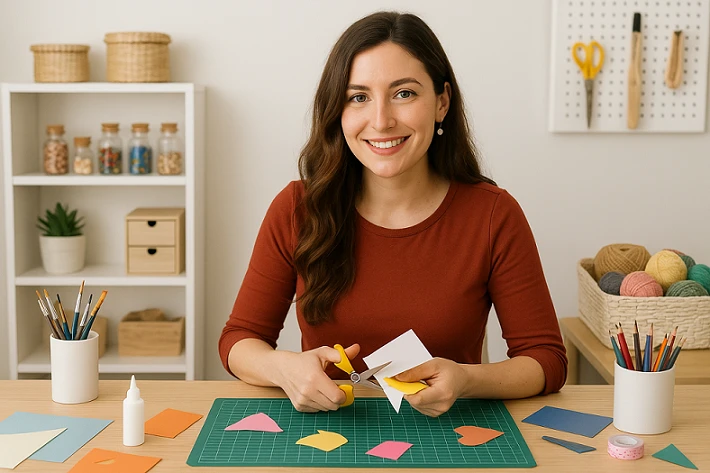
You have just finished sewing a baby blanket. Suddenly you see a mountain of fabric scraps staring back at you. Like little triangles, skinny strips, and oddly shaped leftovers. Most of them you throw in the trash or keep in a bag to use later; however, later rarely comes.
What if you use every single scrap instead of throwing them into the trash? Yes, you can turn these into creative, practical, and unique items. As someone who’s been sewing and upcycling for years, you have learned that fabric scraps are not leftovers—they’re free supplies waiting for a second life. Here’s how to use them all up without wasting a single inch.
Why Zero-Waste Fabric Crafts Matter
As you know, fabric production consumes lots of energy, chemicals, and water. Throwing them into the trash adds to textile waste, which already fills landfills at an alarming rate. Zero waste means using everything—no scraps left behind. You also save money; no more buying new fabric for little projects. You will end up with unique, one-of-a-kind items that mass-produced goods can’t match.
You don't need a rotary cutter, rotary mat, or serger. A needle, thread, and a straight stitch do everything here.
Start by Organising Scraps
First thing is to take inventory of what you have and then sort it into size and type:
- Tiny pieces (under 2 inches): perfect for stuffing, appliqué details, or patchwork centers
- Small pieces (2–6 inches): great for appliqué, patchwork, or small accessories
- Strips and longer remnants: ideal for binding, rugs, or woven projects
- Specialty fabrics (knits, silk, denim, velvet): keep these separate because they behave differently
Store them in transparent bins or labeled zip pouches—whatever keeps them sorted and tangle-free.
6 Practical Ways to Use Every Scrap
Pick any of these to start:
1. Patchwork and Improv Blanket
Even the tiniest pieces can join larger ones. Stitch scraps into blanket blocks or simple string-pieced units. Once you have enough blocks, turn them into pot holders, coasters, table runners, or full quilts. No two pieces need to match. The magic happens in the color combos—random scraps create things you'd never plan.
2. Stuffing and Soft Fill
Cut these fabrics into small pieces and use them to fill in pillows, soft toys, or pet beds. Old T-shirt scraps and jersey knits make especially soft fill. This is one of the easiest ways to empty your scrap bin.
3. Appliqué and Surface Design
Use small shapes to decorate clothing, bags, or home décor. Stitch small shapes onto base fabric with a simple running stitch or zigzag to create flowers, letters, animals, or abstract patterns. Kids’ clothes and tote bags are perfect canvases.
4. Fabric Yarn and Weaving
Cut strips of fabric (especially T-shirts or cotton) and pull them into “yarn.” Knit, crochet, or weave rugs, baskets, coasters, or wall hangings. Denim scraps make sturdy doormats; soft cottons become cozy scarves or dishcloths.
5. Small Accessories and Gifts
Think scrunchies, key fobs, bookmarks, eyeglass cases, fabric bookmarks, or mini pouches. A single 4-inch square can become a useful gift. Combine several scraps for patchwork versions that look deliberately designed.
6. Cleaning Cloths and Practical Household Items
Turn sturdy scraps into reusable cleaning rags, dust cloths, or produce bags. Hem the edges or leave them raw if the fabric doesn’t fray much. Reusable rags beat paper towels every time.
Tips for Seamless Zero-Waste Success
Here's how to keep scraps moving into finished things:
1. Keep a “project in progress” bag. When your scrap pile for one type fills a sandwich bag, commit to one project instead of waiting for more.
2. Combine techniques. Stuff a patchwork pillow with fabric scraps. Use fabric yarn to edge a quilt made from leftovers.
3. Group scraps by color family for a cohesive look, or go wild for a cheerful scrap aesthetic.
4. Tiny pieces sew fastest by hand—a simple running stitch or whipstitch works better than the machine fumbling with scraps that small.
5. Share the excess. If you somehow accumulate more than you can use (it happens), trade with other crafters or donate sorted scraps to schools and community centers.
To Sum Up
Once zero-waste sewing becomes your habit, you'll buy fabric differently and finish more things. You buy more carefully because you know leftovers will be used. Projects feel more personal. And that guilt over fabric waste disappears.
Pull out one bag of scraps. Make a set of coasters or a simple stuffed heart. Notice how good it feels to finish something without adding to the trash. Every scrap has potential. That's when fabric scraps stop feeling like guilt and start feeling like possibility.