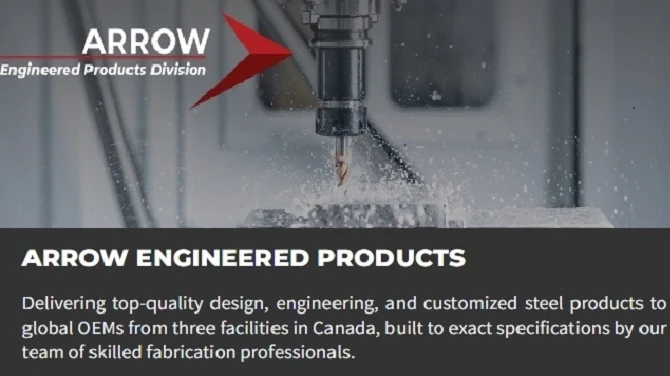

Choosing a custom metal fabrication supplier is an important decision for manufacturers that depend on durable, accurate, and consistent components. The right supplier can help reduce production delays, control costs, and maintain product quality. However, not every fabricator offers the same capabilities or level of service. Before signing an agreement, consider these seven factors to determine whether a supplier is a good fit for your project.
- Manufacturing Experience
Start by reviewing the supplier's experience with projects similar to yours. Different industries require different materials, tolerances, fabrication methods, and quality standards. A manufacturer familiar with your application may be better prepared to anticipate challenges and recommend practical production methods.
Ask about previous projects, materials handled, equipment used, and the types of components the company regularly produces. Relevant experience can reduce the learning curve and help keep production on schedule.
- Range of Fabrication Capabilities
A supplier should have the equipment and technical expertise required for your project. Depending on your requirements, this could include laser cutting, plasma cutting, bending, forming, welding, machining, finishing, and assembly.
Working with a supplier that offers several processes can simplify your supply chain. Comprehensive Fabrication Solutions Ontario can reduce the need to coordinate multiple vendors and may improve consistency between manufacturing stages.
Before selecting a supplier, confirm that its capabilities match both your current requirements and potential future projects.
- Quality Control
Quality control is essential when fabricated components must meet precise specifications. Ask potential suppliers about inspection procedures, material traceability, dimensional testing, weld inspections, and documentation.
A strong quality system should include checks throughout production rather than relying solely on final inspection. Consistent processes can help identify problems early and reduce scrap, rework, and production interruptions.
- Engineering Support
A good fabrication supplier should be able to collaborate with your engineering team. Design reviews can uncover opportunities to simplify a part, improve manufacturability, reduce material consumption, or streamline assembly.
For complex projects, engineering support can be especially valuable during prototyping and product development. A supplier experienced in OEM Metal Fabrication can often provide practical recommendations based on real manufacturing constraints.
- Production Capacity
Consider whether the supplier can handle your expected production volume. A company may be excellent at small-batch work but lack the capacity needed for large orders.
Ask about available machinery, workforce, production schedules, lead times, and plans for handling increased demand. Choosing a scalable supplier can make it easier to transition from prototypes to full production.
- Communication and Delivery Reliability
Clear communication is critical throughout the manufacturing process. Your supplier should provide realistic timelines, transparent estimates, and regular updates.
Ask how the company manages design changes, material shortages, quality concerns, and unexpected delays. Strong communication can help prevent misunderstandings and keep your project moving forward.
When evaluating Fabrication Solutions Ontario, consider not only what the supplier produces but also how effectively it manages customer relationships and deadlines.
- Overall Value
Price matters, but the lowest quotation may not provide the best long-term value. Consider material efficiency, quality, lead times, engineering support, production consistency, and service.
For businesses requiring OEM Metal Fabrication, a dependable supplier can reduce costly downtime and rework while supporting consistent product quality.
Making the Right Choice
Selecting the right custom metal fabrication supplier requires careful evaluation. Look for relevant experience, broad capabilities, strong quality control, engineering expertise, scalable capacity, dependable communication, and competitive overall value.
The right partner should provide reliable Fabrication Solutions Ontario that align with your technical and production requirements. By evaluating suppliers based on the complete value they offer, you can build a manufacturing relationship that supports quality, efficiency, and long-term growth.