In an era where technological advancements are transforming industries across the globe, smart cities are also undergoing a significant transformation. The integration of artificial intelligence (AI) into urban infrastructure is elevating the quality of life for residents by making cities more efficient, secure, and responsive. One of the most impactful advancements in this domain is the application of AI-powered data analytics. From footfall analytics to people counting software and smart surveillance systems, AI is redefining how modern cities operate.
This article explores the significance of AI-powered data analytics in the development of smart cities, with a focus on key components such as tenant management, people counting sensors, retail traffic analysis, and smart surveillance. At Nextbrain, we are at the forefront of utilizing cutting-edge AI video analytics software to power intelligent city infrastructure and ensure seamless urban experiences.
Leveraging People Counting Sensors for Smarter Decisions
People counting software has become a vital element of smart city infrastructure. These systems use AI-driven sensors to monitor and record the number of individuals moving through public areas. By analyzing pedestrian flow and congestion patterns, city planners gain valuable insights into the usage of public spaces.
Strategically placed sensors can monitor foot traffic across transport hubs, commercial zones, tourist areas, and public parks. This data helps authorities make informed decisions about urban planning, resource allocation, and infrastructure development. For instance, understanding when and where congestion occurs allows for better traffic control, improved pedestrian safety, and optimized event planning.
Unlocking the Potential of AI-Powered Footfall Analytics
Footfall analytics goes beyond simple headcounts. With AI integration, these systems provide detailed insights into visitor behavior, such as peak hours, preferred walking routes, and time spent in specific zones. This data is essential for both public and private sectors.
For municipalities, footfall data supports smarter urban development by guiding infrastructure investments and public service distribution. For retail businesses within smart cities, it provides the tools needed to tailor marketing strategies, optimize store layouts, and enhance customer engagement. AI video analytics software enables continuous learning and real-time adjustments, making the entire process dynamic and adaptive.
Transforming City Surveillance with AI Video Analytics
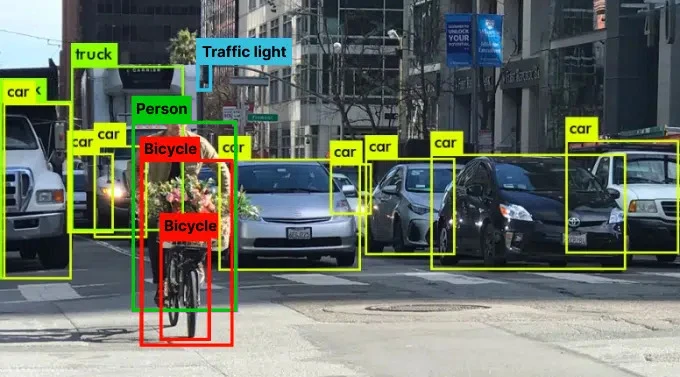
The role of surveillance in smart cities has shifted from passive monitoring to proactive, intelligent systems. AI-powered video surveillance now plays a central role in enhancing urban safety. These systems don’t just record—they analyze. They detect anomalies, alert emergency services, and assist in real-time crisis response.
Modern smart cameras can identify suspicious behaviors, such as loitering or unauthorized access, using real-time behavioral analysis. This allows authorities to take preemptive measures before incidents escalate. AI surveillance also assists in monitoring pedestrian crossings, preventing vandalism, and protecting critical infrastructure.
Real-Time Mobility and Traffic Monitoring
Traffic congestion is a persistent issue in many urban areas. AI video analytics addresses this by monitoring real-time traffic flows, detecting bottlenecks, and suggesting rerouting strategies. With smart sensors embedded in roads and outdoor cameras, traffic operators receive continuous updates, helping reduce delays and ensure smooth traffic movement.
AI also improves public transport management. It tracks passenger volumes at bus stops or train stations, helping optimize schedules and reduce overcrowding. Furthermore, AI-driven queue management systems simplify the oversight of transport queues, improving efficiency and user experience.
Enhancing Parking Management with Smart Technology
Parking is another critical area where AI contributes significantly. AI video analytics software monitors parking zones, detects available spaces, and informs drivers in real time. This minimizes the time spent searching for parking, reduces fuel consumption, and lowers carbon emissions.
Smart parking systems also collect data on usage trends, helping city planners allocate resources more effectively. Integration with traffic light control systems and digital signage ensures better flow of vehicles, reducing overall congestion.
Smart Building Management and Emergency Response
Smart city frameworks extend into buildings as well. AI enables automated crowd counting, occupancy monitoring, heat mapping, and crossline detection in public buildings. This data is vital for improving safety, optimizing energy usage, and enhancing visitor experiences.
One of the most notable benefits of AI in buildings is early hazard detection. Advanced video analytics can identify signs of smoke or fire and trigger immediate alerts. Emergency response teams receive these notifications in real time, reducing the risk of large-scale damage and improving public safety.
Behavioral Analysis in Public Spaces
There are times when it becomes difficult to analyze the behavior of suspicious individuals in public places. This is the scenario when smart video technology comes into play. It analyzes video data in real time by detecting activity patterns and triggering alerts on any suspicious actions.
Access control can be monitored by utilizing facial recognition to restrict certain site zones. Smart security cameras integrated with AI video analytics for smart cities help in improving public place safety.
Data-Driven Urban Planning
With the vast amounts of data collected by AI-powered systems, city planners have a wealth of insights at their fingertips. From pedestrian traffic to environmental conditions, every piece of information contributes to more effective planning and policy-making.
AI-driven data analytics helps design cities that are not only safer but also more comfortable and sustainable. Environmental monitoring, for example, uses AI to detect air quality issues, which can lead to public health alerts or prompt regulatory changes.
The Future of Camera Surveillance in Smart Cities
The landscape of urban surveillance is rapidly evolving. Initially deployed for basic security purposes, cameras are now part of a larger data-driven ecosystem. They assist in environmental monitoring, crowd management, public safety, and even accident prevention.
As we move forward, these systems will continue to integrate with AI and machine learning technologies, enabling even more proactive and predictive capabilities. Surveillance will no longer be about watching—it will be about understanding and acting in real time.
Conclusion
Smart cities are the future of urban living, and AI-powered data analytics is the foundation upon which they are built. From optimizing foot traffic and managing parking to enhancing public safety and streamlining mobility, the applications are vast and impactful.
At Nextbrain, we are proud to be at the forefront of this transformation. Our AI video analytics software and footfall analytics solutions empower smart cities with real-time insights and intelligent decision-making capabilities. As the digital era continues to unfold, the role of AI in city development will only grow stronger, driving sustainability, security, and efficiency like never before.