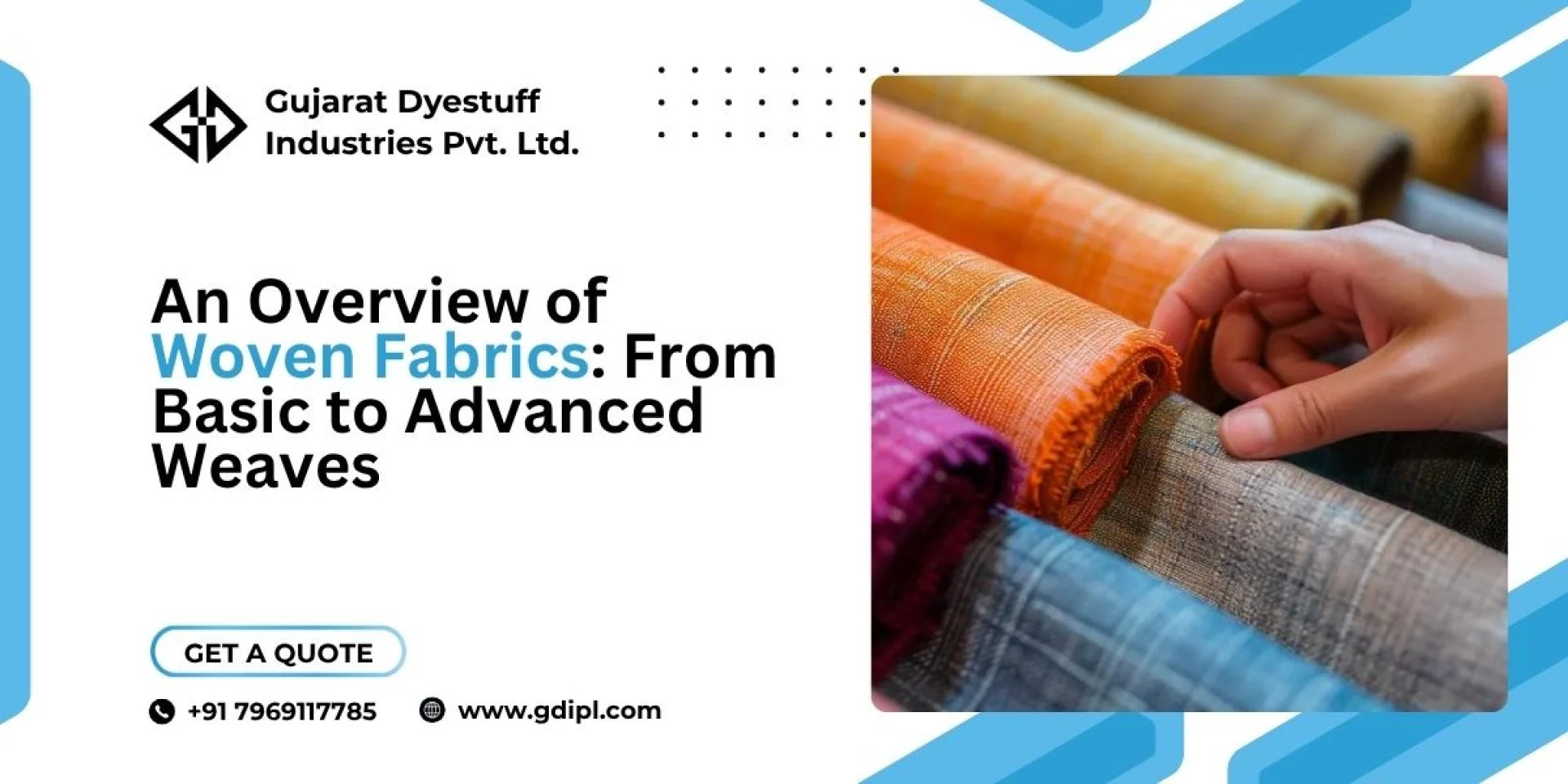
Woven fabrics are an integral part of the textile industry, providing the foundation for a wide range of products, from clothing to home décor, industrial applications, and more. The beauty of woven fabrics lies in their versatility and durability, making them ideal for many different uses. Understanding the basics of woven fabrics, as well as the more advanced weaves, can help manufacturers and designers make informed decisions when sourcing materials. In this blog, we’ll take you through an overview of woven fabrics, from the simplest weaves to more complex variations, and how HDPE fabrics, including HDPE woven fabrics, fit into the broader landscape of textile manufacturing.
What Are Woven Fabrics?
Woven fabrics are textiles made by interlacing two sets of yarns—known as the warp and weft—at right angles to each other. The warp threads run vertically, while the weft threads run horizontally. This crisscross pattern is what gives woven fabrics their strength and durability. Woven fabrics can be made from a variety of fibers, including cotton, polyester, linen, and even synthetic fibers like HDPE (High-Density Polyethylene) or PP (Polypropylene). The type of fiber used, combined with the weave pattern, determines the fabric's final properties such as texture, strength, and flexibility.
Basic Weaves: The Foundation of Woven Fabrics
When talking about woven fabrics, it’s important to start with the basic weaves, which form the foundation of all textile structures. The three primary basic weave types are plain weave, twill weave, and satin weave. Each type has unique characteristics that make it suitable for different applications.
- Plain Weave: Plain weave is the simplest and most commonly used weave structure. In this pattern, the warp and weft threads alternate over and under each other, creating a flat and tight structure. This weave is known for its durability, making it ideal for everyday clothing fabrics, like cotton shirts or denim jeans. Plain weave fabrics are also used in industrial applications, where strength is important.
- Twill Weave: In twill weave, the weft threads pass over one or more warp threads before going under one. This pattern creates a diagonal ribbed effect, which gives the fabric more texture and strength. Twill fabrics are typically softer and drape better than plain weave fabrics. Denim, chinos, and gabardine are examples of fabrics made using twill weave.
- Satin Weave: Satin weave creates a smooth, lustrous surface by allowing the weft threads to pass over several warp threads before going under one. This pattern gives the fabric a shiny finish and is commonly used for formal wear, such as evening gowns and luxury garments. Satin fabrics are known for their soft feel and glamorous appearance.
Advanced Weaves: Enhancing Functionality and Aesthetics
While basic weaves form the core of woven fabrics, more advanced weave patterns have been developed to meet specific needs, adding functionality, texture, and style to the fabric. These weaves are often more intricate, offering unique properties such as enhanced durability, elasticity, or aesthetic appeal. Some of the advanced weave structures include:
- Jacquard Weave: Jacquard fabrics are woven using a special loom that allows for intricate, complex patterns to be woven directly into the fabric. This technique produces fabrics with detailed patterns, such as floral designs or geometric motifs. Jacquard weaves are commonly used for home textiles like curtains, upholstery, and high-end fashion fabrics.
- Dobby Weave: A dobby weave is similar to jacquard but typically features smaller, simpler patterns. Dobby fabrics are often used in lightweight garments, bed linens, and home décor items. This weave creates a textured surface, often resulting in subtle, geometric patterns.
- Basket Weave: A basket weave is a variation of the plain weave, where two or more warp threads are paired with two or more weft threads. This creates a thicker, more textured fabric with a distinctive grid-like appearance. Basket weave fabrics are often used for items like bags, footwear, and durable upholstery fabrics.
HDPE Fabrics and Their Role in Woven Textiles
HDPE fabrics, including HDPE woven fabrics, are a unique category within the world of woven fabrics. HDPE (High-Density Polyethylene) is a thermoplastic polymer known for its strength, resistance to chemicals, and durability. It is commonly used in industrial applications, such as tarpaulins, geotextiles, and agricultural covers, due to its excellent resistance to moisture and UV radiation.
HDPE woven fabrics are made by weaving HDPE yarns in various patterns, such as plain weave or twill weave, to create durable and strong textiles. These fabrics are often used for outdoor applications where weather resistance and longevity are crucial. In addition to traditional uses, HDPE fabrics are also commonly used in the manufacturing of bags, sacks, and protective covers.
One of the key benefits of HDPE woven fabrics is their lightweight yet robust nature. They offer excellent tensile strength, making them ideal for use in demanding environments. Whether you're looking for a fabric that can withstand heavy loads, extreme weather, or chemical exposure, HDPE woven fabrics are a reliable choice.
HDPE PP Woven Fabric Manufacturers and Their Contribution to the Industry
HDPE PP woven fabric manufacturers play a critical role in the production of woven fabrics made from HDPE and polypropylene fibers. These manufacturers specialize in creating fabrics that offer high strength, resistance to abrasion, and the ability to withstand harsh environmental conditions. As industries increasingly demand durable and cost-effective solutions, HDPE PP fabrics have become a go-to choice in various applications, from construction and agriculture to packaging and shipping.
When sourcing HDPE fabrics, it’s important to choose a reputable HDPE fabric manufacturer with expertise in producing woven textiles that meet the highest standards. These manufacturers often offer a range of products, including customizable fabric types, finishes, and treatments to ensure the fabric is well-suited for its intended application.
How to Choose the Right Woven Fabric Manufacturer
When sourcing woven fabrics, whether it’s HDPE fabrics, polypropylene fabrics, or traditional textile materials, choosing the right manufacturer is crucial. Here are a few things to consider when selecting a woven fabric supplier:
- Reputation and Experience: Choose a manufacturer with a solid reputation and experience in producing high-quality woven fabrics. Look for companies that have been in the industry for several years and have a track record of delivering durable products.
- Customization Options: Depending on your specific needs, look for a supplier that offers customization options, including different weave patterns, fabric weights, and finishes. Customization ensures that the fabric meets your exact specifications.
- Quality Assurance: Make sure the manufacturer adheres to strict quality control standards. Quality assurance processes help ensure that the fabric you receive is free from defects and will perform as expected in its application.
- Sustainability: Consider working with manufacturers that prioritize sustainable practices. Many HDPE fabric manufacturers, such as Gujarat Dyestuff Industries Pvt. Ltd, offer eco-friendly products made from recycled materials, helping you reduce your environmental footprint.
Conclusion
Woven fabrics are an essential component of the textile industry, with applications ranging from everyday clothing to specialized industrial materials. Understanding the different types of weaves—from basic to advanced—allows manufacturers and designers to select the right fabric for their needs. HDPE fabrics, especially HDPE woven fabrics, offer a unique combination of durability, weather resistance, and versatility, making them ideal for a wide range of applications.
At Gujarat Dyestuff Industries Pvt. Ltd, we specialize in providing high-quality HDPE woven fabrics for a variety of industries. Our products are designed to meet the highest standards of strength and durability, ensuring that your projects are supported by reliable materials. If you are looking for premium HDPE fabrics, contact us today to discuss your needs and place an order. We look forward to helping you find the perfect woven fabric solution for your business.