Ash trees are valued for their attractive foliage, shade and contribution to residential, commercial and public landscapes. However, like many tree species, ash trees can be affected by insect infestations, fungal diseases, nutrient deficiencies and environmental stress. Without appropriate care, these problems can weaken trees, damage their appearance and, in severe cases, lead to tree decline or death.
When an ash tree develops health problems, choosing the right treatment method is essential. Options include trunk injections, soil treatments, foliar sprays and traditional treatments such as pruning and general tree maintenance. Each approach works differently and offers specific advantages depending on the underlying issue.
So, are ash tree injections more effective than other treatment methods? Understanding how each option works can help property owners, landscapers and tree care professionals make informed decisions.
What Are Ash Tree Injections?
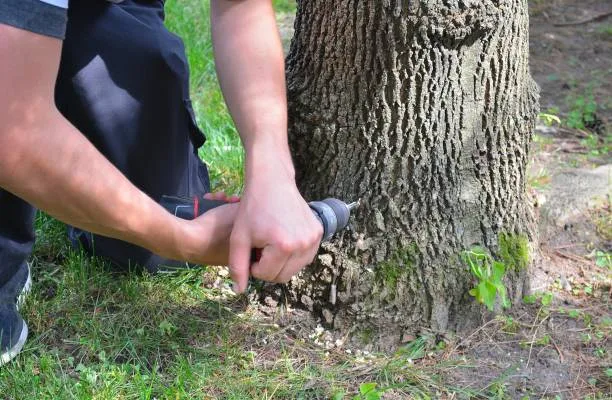
Ash tree injections are a targeted treatment method in which selected products are introduced directly into a tree's vascular system through specialised injection equipment. These products move through the tree's internal transport tissues, helping deliver treatment to the areas where it is needed.
Depending on the diagnosed problem and available approved products, trunk injections may be used to deliver:
- Systemic insecticides for managing certain insect pests.
- Fungicides for specific fungal diseases.
- Nutrients or other suitable treatments to address identified deficiencies.
One important application is managing the threat posed by the emerald ash borer (EAB), an invasive beetle that attacks ash trees and can cause extensive damage.
Professional ash tree injections can provide targeted treatment without requiring widespread spraying across the surrounding landscape. However, the effectiveness depends on correct pest or disease identification, treatment timing, tree condition and product selection.
Common Treatment Methods for Ash Trees
Before deciding whether injections are the best option, it is important to understand the alternatives.
1. Ash Tree Trunk Injections
Trunk injection delivers a selected treatment directly into the tree's vascular system. The product is introduced through carefully positioned injection ports, allowing it to move internally through the tree.
Advantages:
- Delivers treatments directly into the tree.
- Can provide systemic protection against certain insect pests.
- Reduces the need for widespread foliar spraying.
- Offers targeted application with limited product exposure outside the tree.
- Can be useful for treating established trees when suitable products are available.
Limitations:
- Requires specialised equipment and trained professionals.
- Not every insect or disease can be controlled through trunk injection.
- Treatment effectiveness depends on tree health and vascular activity.
- Repeated injections may be required according to product instructions.
Trunk injection is particularly useful when managing specific systemic pests, including emerald ash borer, where an appropriate registered treatment is available.
2. Soil Treatments
Soil treatments involve applying suitable products around the base of an ash tree, allowing them to enter the soil and potentially be absorbed through the roots.
Depending on the product, this method may deliver systemic insecticides or nutrients to address specific tree health concerns.
Advantages:
- Can be applied without drilling injection ports into the trunk.
- Suitable for certain systemic pest management programmes.
- Can cover the root zone of selected trees.
- May be incorporated into broader soil and tree health management.
Limitations:
- Absorption depends on soil moisture, soil composition and root activity.
- Results may take longer than some trunk injection treatments.
- Certain products may present environmental risks if they move into groundwater or nearby waterways.
- Not suitable for every soil condition or tree health problem.
Soil treatments can be effective in appropriate circumstances, but professional assessment is important before application.
3. Foliar Sprays
Foliar spraying involves applying an approved pesticide or other treatment directly to the leaves, branches or other exposed tree surfaces.
This approach is commonly used to manage certain insects and fungal diseases that affect above-ground parts of trees.
Advantages:
- Can provide relatively rapid contact treatment.
- Suitable for specific leaf-feeding insects and fungal problems.
- Does not require drilling into the trunk.
- Can treat accessible foliage across selected areas.
Limitations:
- Coverage can be difficult on large or mature trees.
- Rainfall and environmental conditions can affect application.
- May expose beneficial insects and other non-target organisms.
- Often requires repeated applications.
- May not effectively control insects feeding beneath the bark or inside the tree.
Foliar spraying is generally more appropriate for pests and diseases that can be reached through surface applications rather than internal infestations.
4. Pruning and Physical Tree Maintenance
Pruning involves removing dead, damaged, diseased or structurally compromised branches. It is an important part of maintaining tree health and reducing certain disease-related risks.
Advantages:
- Removes damaged or infected branches where appropriate.
- Improves tree structure and appearance.
- Reduces potential safety hazards.
- Helps manage certain localised disease problems.
Limitations:
- Cannot eliminate systemic insect infestations.
- Does not provide internal protection against pests.
- Excessive pruning can place additional stress on trees.
- Some diseases require additional treatment or management.
Pruning is best viewed as a supporting maintenance method rather than a replacement for targeted pest or disease treatment.
Ash Tree Injections vs. Other Treatment Methods: Comparison
The most suitable treatment depends on the problem affecting the tree. The following comparison highlights the main differences.
| Treatment Method | Primary Application | Key Advantage | Main Limitation |
| Trunk injection | Directly into the vascular system | Targeted internal delivery | Requires specialised equipment |
| Soil treatment | Around the root zone | Root-based absorption | Depends on soil conditions |
| Foliar spray | Leaves and branches | Treats accessible surface pests | Limited effectiveness against internal pests |
| Pruning | Removal of affected branches | Improves structure and removes damaged growth | Cannot control systemic infestations |
For pests such as emerald ash borer, systemic trunk injection can be particularly valuable because the insect's larvae feed beneath the bark, where ordinary surface treatments may not reach them effectively.
Which Method Works Best for Emerald Ash Borer?
Emerald ash borer is one of the most serious threats to ash trees in affected regions. The beetle lays eggs on or near ash trees, and its larvae feed beneath the bark, damaging the vascular tissues responsible for transporting water and nutrients.
This internal damage can cause canopy thinning, branch dieback and eventual tree death.
Where emerald ash borer is present, professionally administered systemic trunk injections using an appropriate registered insecticide can offer effective protection for suitable ash trees.
However, successful management also depends on:
- Early identification of infestation.
- Assessment of the tree's overall condition.
- Correct treatment timing.
- Selection of an appropriate registered product.
- Monitoring for signs of recurring infestation.
In heavily damaged or structurally unsafe trees, injection treatment may not restore the tree's health. Removal may be the more appropriate option.
Important: Emerald ash borer is not established throughout Australia. Australian property owners should seek advice from qualified arborists and relevant biosecurity authorities about locally occurring pests and diseases rather than assuming EAB treatments are necessary.
Factors to Consider When Choosing an Ash Tree Treatment
Selecting the right treatment requires more than comparing application methods. Several factors influence the outcome.
Tree health and age: Healthy, established trees may respond differently to treatments than severely stressed or declining trees.
Type of infestation: Insects feeding beneath the bark require a different management approach from insects feeding on leaves.
Treatment timing: Some products work best when applied before pest activity reaches damaging levels.
Environmental conditions: Soil moisture, rainfall, temperature and tree growth activity can influence treatment effectiveness.
Professional assessment: An arborist can identify the problem, evaluate treatment options and recommend an appropriate management plan.
Frequently Asked Questions
1. Are ash tree injections better than spraying?
For certain internal pests, trunk injections can be more effective because they deliver systemic treatments inside the tree. Spraying may be more appropriate for surface-feeding insects and specific foliage diseases.
2. How long do ash tree injections last?
Treatment duration depends on the product, pest, tree condition and application method. Some systemic treatments provide protection over multiple growing seasons, while others require more frequent applications. Always follow the product label and professional recommendations.
3. Can ash tree injections save a dying tree?
Injections may help manage certain pests and diseases, but they cannot reverse extensive vascular damage, severe decay or advanced structural decline. A professional tree assessment is necessary to determine whether treatment is worthwhile.
4. Are ash tree injections safe for surrounding plants?
When performed correctly using suitable registered products, trunk injections can minimise exposure to surrounding vegetation compared with some broadcast spraying methods. However, product-specific environmental precautions must always be followed.
5. When should ash trees be treated?
Treatment timing depends on the pest or disease being managed, tree growth activity and product requirements. Preventive treatment may be appropriate for certain pests when the tree is still in relatively good condition.
Conclusion: Choosing the Right Treatment for Long-Term Tree Health
Ash tree injections, soil treatments, foliar sprays and pruning all have a role in professional tree care. However, no single treatment method works best for every situation.
Trunk injections offer a targeted approach for managing certain internal pests and diseases, while soil treatments and foliar sprays can be useful for other specific problems. Pruning and regular tree inspections provide additional support for maintaining healthy, structurally sound trees.
The best results come from identifying the underlying issue, assessing the tree's condition and selecting a treatment based on professional advice.
By taking a proactive approach to ash tree care, property owners and landscape managers can help protect valuable trees, reduce the risk of serious damage and maintain healthier outdoor environments.