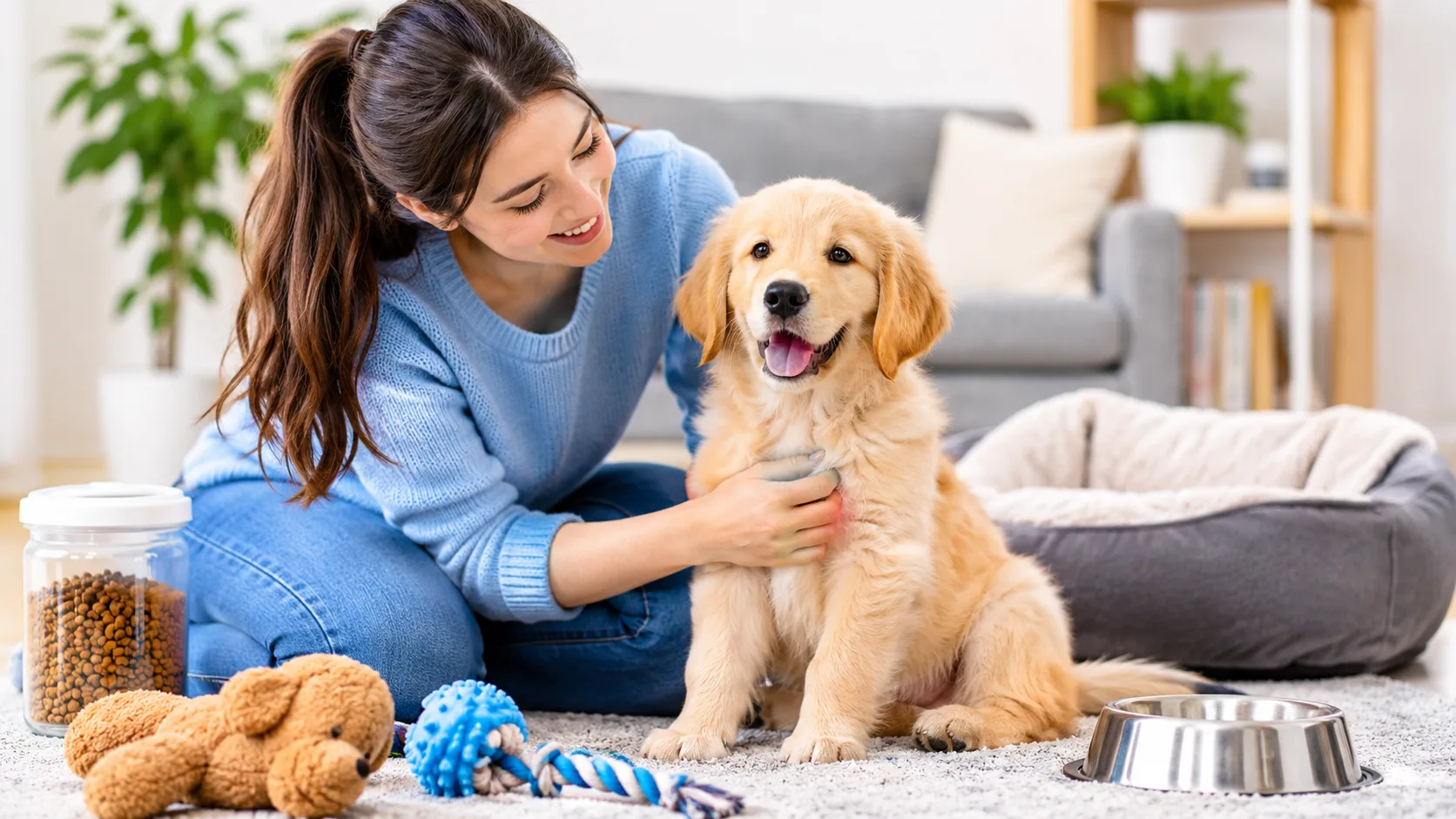
Bringing a puppy home is exciting, but caring for a young dog involves more than providing food, toys, and a comfortable bed. Puppies need proper nutrition, regular health checks, gentle training and plenty of attention as they grow. Their early experiences also shape their behaviour and confidence around people and other animals. If you have recently welcomed a puppy into your home, this guide explains how to care for your new companion and build healthy habits from the beginning.
Prepare a Safe and Comfortable Home
Before bringing your puppy home, set up a quiet, comfortable space where it can rest and feel secure. Choose a suitable bed, provide clean water and keep essential items such as food bowls, puppy pads and safe toys nearby. Remove electrical wires, cleaning products, small objects and anything your puppy could chew or swallow. A calm environment can help your puppy settle in and become familiar with its new surroundings.
Feed Your Puppy a Balanced Diet
Puppies need nutritious food to support their developing bones, muscles, teeth and immune system. Choose a good-quality puppy food suited to your dog's breed, age, and expected adult size. Young puppies usually need several small meals throughout the day, although the right feeding routine depends on their age and individual needs. Follow the feeding guidance on the food packaging and ask your veterinarian if you are unsure about portion sizes or dietary requirements.
Arrange Regular Veterinary Check-Ups and Vaccinations
A veterinary visit is one of the first important steps after bringing a puppy home. Booking your puppy's first appointment at a trusted vet clinic in Singapore lets your veterinarian assess its general health, check its weight, and discuss vaccinations, parasite prevention, and future health needs. Puppy vaccination schedules vary by age, previous vaccination history, lifestyle, and local disease risks. Follow the schedule your veterinarian recommends, and keep a record of every vaccination.
Your puppy may also need suitable protection against fleas, ticks and intestinal worms. These parasites can cause discomfort and may lead to further health problems if left untreated. Ask your veterinarian which preventive products suit your puppy's age and weight. Regular health checks also give you a chance to discuss concerns about eating habits, growth, digestion, or behaviour.
Start Basic Puppy Training Early
Puppies learn quickly, so early training can help them develop good habits and become easier to manage as adults. Begin with simple commands such as sit, stay, come and leave it, using small treats and praise to reward good behaviour. Keep training sessions short because young puppies have limited attention spans and can become tired easily. Repeat simple exercises regularly and give your puppy time to understand each command. Toilet training is another important part of early development. Take your puppy to the same toilet area after waking up, eating, drinking and playing, as these are common times when it may need to go. Reward your puppy immediately when it uses the correct spot and clean accidents without shouting or punishment. A consistent routine and patient approach will help your puppy learn where to go.
Introduce Socialisation and New Experiences
Socialisation helps puppies feel comfortable around different people, sounds, places, and everyday situations. Introduce new experiences gradually, and let your puppy explore at a comfortable pace. Positive early experiences can reduce fear and build confidence as your dog grows. Avoid forcing your puppy to approach unfamiliar people or animals if it appears nervous.
Puppies also need safe opportunities to interact with other dogs. However, speak to your veterinarian about suitable socialisation activities while your puppy is completing its vaccination course. You can begin by introducing household sounds, different floor surfaces, gentle handling and familiar visitors. Keep these experiences positive and give your puppy plenty of rest between activities.
Maintain a Regular Grooming Routine
Regular grooming keeps your puppy's coat clean and gives you a chance to check its skin, ears, paws and nails. Brush your puppy gently with a brush suited to its coat type, starting with short sessions so it gets comfortable with the process. Bathe as needed with a gentle shampoo made specifically for dogs. Avoid bathing too frequently, as this may dry out the skin. Introduce nail handling, ear checks and toothbrushing gradually. Use a dog toothbrush and pet-safe toothpaste instead of human toothpaste, which may contain ingredients unsuitable for dogs. Check your puppy's ears for unusual smells, redness or discharge, and seek veterinary advice if you notice anything concerning. Making grooming a calm and positive experience can help prevent stress as your puppy gets older.
Provide Suitable Exercise and Mental Stimulation
Puppies are naturally playful and curious, but their growing bodies need suitable levels of activity. Gentle play, short walks when appropriate and simple games can help them stay active without putting too much strain on their joints. The right amount of exercise depends on your puppy's age, breed, health and energy level. Ask your veterinarian for advice before starting a regular walking routine, especially while vaccinations are still in progress. Mental stimulation is just as important as physical activity. Offer safe chew toys, food puzzles and simple games that encourage your puppy to explore and learn. Avoid activities that involve repeated jumping, long runs or excessive physical effort. Always provide breaks and a comfortable place to rest when your puppy becomes tired.
Build a Consistent Daily Routine
A predictable routine can help your puppy feel settled and understand what to expect throughout the day. Try to keep feeding, toilet breaks, playtime, training and bedtime at roughly consistent times. Puppies need plenty of sleep to support their growth and development, so provide a quiet resting area away from constant noise and activity. Avoid disturbing your puppy unnecessarily while it sleeps. Watch for changes in your puppy's normal habits. Reduced appetite, unusual tiredness, repeated vomiting, diarrhoea or sudden changes in behaviour may indicate that something is wrong. Contact your veterinarian if your puppy shows concerning symptoms, and seek prompt care for serious signs such as difficulty breathing, collapse or suspected poisoning. Knowing what is normal for your puppy can help you recognise when it needs attention.
Final Thoughts
Taking care of a puppy requires patience, consistency and a good understanding of its changing needs. Proper nutrition, veterinary care, gentle training, grooming and suitable exercise all contribute to healthy development. Just as importantly, give your puppy time to adjust to its home and build trust with the people around it. With daily attention and responsible care, you can help your puppy grow into a happy, confident and well-behaved adult dog.
FAQs
1. How often should I feed my puppy?
Young puppies generally need three to four small meals each day, depending on their age and development. Your veterinarian can help you adjust meal frequency and portions as your puppy grows.
2. When should I take my puppy to the vet for the first time?
Arrange a veterinary check-up soon after bringing your puppy home, even if it appears healthy. The veterinarian can assess its condition and plan vaccinations, parasite prevention and future visits.
3. How can I toilet train my puppy quickly?
Take your puppy to its toilet area after meals, naps, drinking and playtime. Reward it when it goes in the right place and follow the same routine every day.
4. Can I take my puppy outside before vaccinations are complete?
Your puppy may be at risk of certain infections before completing its vaccinations, so ask your veterinarian about safe outdoor activities. Avoid areas with unknown dogs or heavy dog traffic until your veterinarian advises that it is safe.
5. How much sleep does a puppy need?
Puppies need considerably more sleep than adult dogs, often around 18 to 20 hours in a 24-hour period when very young. Provide a comfortable resting space, and let your puppy sleep whenever it needs to.