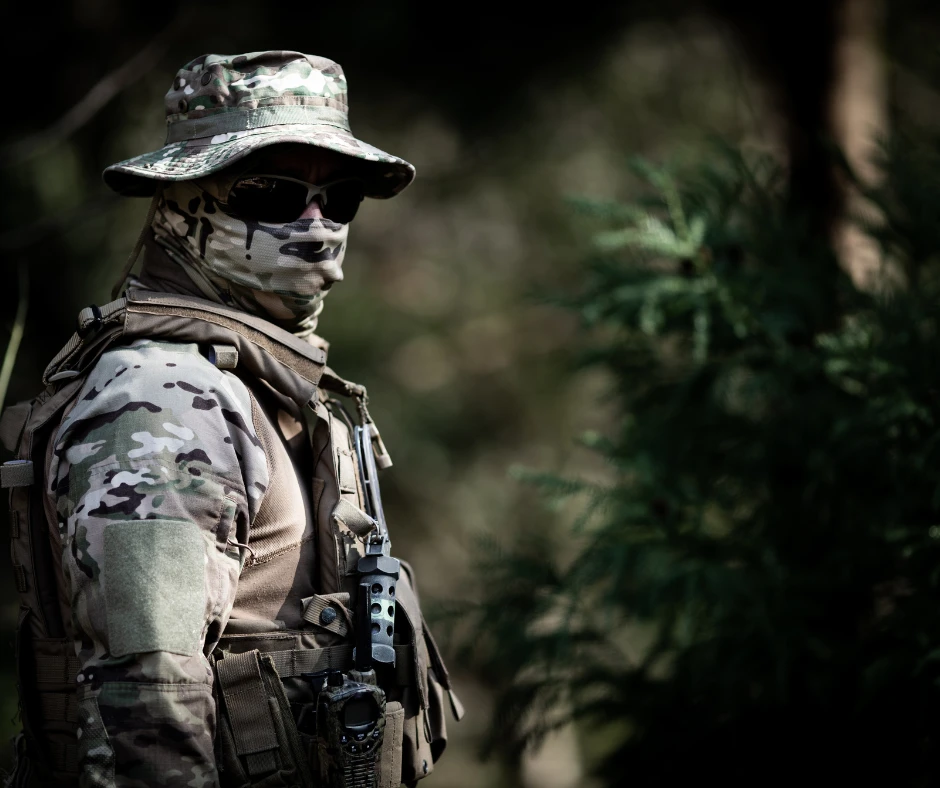
Body armour has always been associated with the battlefield, military, and tactical police searches. However, applications of such technology are emerging well outside typical sectors as tensions ratchet up among countries and personal safety becomes more of a concern. Today, body armour impacts civilian life, not just in places like Canada but worldwide, with private security contractors, medics, journalists, teachers in high-risk areas, and even everyday preparedness.
Once intended to shield soldiers from bullets and shrapnel, body armour has come a long way. Thanks to advances in materials science, there are lighter, stronger, and more flexible choices. For example, materials like Kevlar and UHMWPE (Ultra-High-Molecular-Weight Polyethylene) offer superior ballistic protection without the added weight of outdated steel plate designs. This means it is more manageable to wear body armour for long durations—something important for both the professional and civilian wearer.
In the private security sector, body armour is now considered normal equipment. Those who work in executive protection, crowd control, or other high-risk transport will often be issued vests rated for either ballistic or stab threats or both. These vests are designed for specific roles and environments, from soft body armour for less threatened areas to hard plate carriers for potential hostile contact.
But it’s not only professionals who are paying attention. Journalists in war zones, aid workers in politically unstable areas, and even some school leaders are buying body armour for added protection. In response, manufacturers have set out to create and produce discreet, comfortable gear that doesn't look out of place and doesn't feed panic while maximizing solid defense.
The laws regarding civilians wearing body armour are similar in Canada, the US, and the UK. In much of the country, it is perfectly legal for law-abiding citizens to buy and wear armour. However, restrictions can be placed on the style of Armour, where / when it is worn, and who can own it. It is important to know these legal guidelines before buying.
One segment in particular is booming: body armour and protection for emergency teams and disaster groups. With natural disasters and violent events becoming increasingly common, first responders seek protective apparel to protect themselves while helping others. Bespoke plate carriers and modular systems are essential for teams to keep the edge in the most dangerous conflict.
Body armour is also increasingly being modified to fit women or those with smaller frames, filling a void in the market that at one time would have made it more difficult to fit a piece of equipment properly. Today, companies develop contoured styles that allow full protective coverage, not giving up on flexibility or wearability.
As threats grow more complex and continue to pose danger to public safety, body armour is being seen as a measure of prevention rather than a reactive tool. If its roots are military, its future is civilian. As technology progresses and access becomes more obtainable, body armour will likely become more prevalent in personal security measures on a global scale.
James Foster is the author of this article. For more details about Ballistic Blankets in Canada, please visit our website: pspcorp.ca.