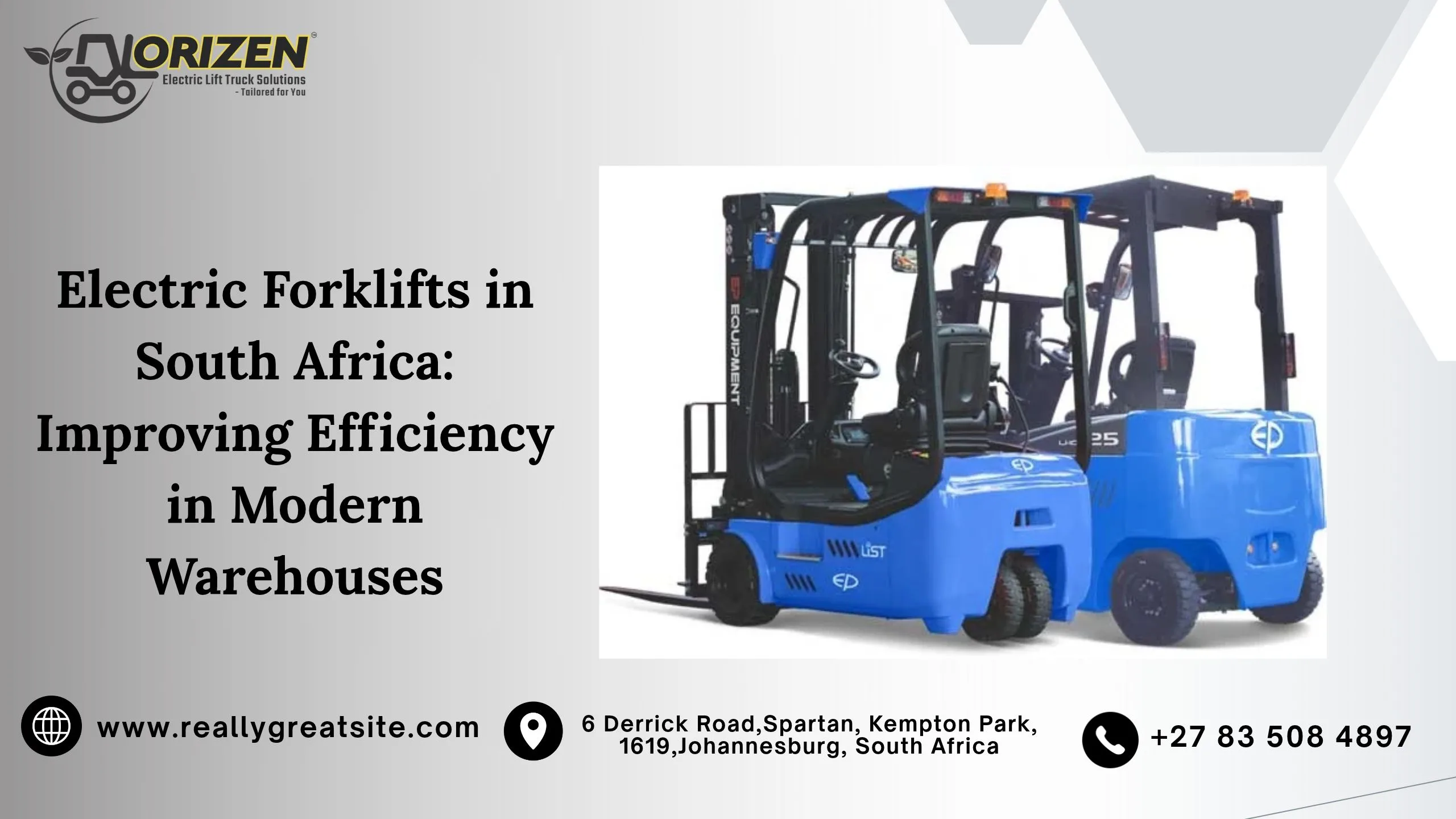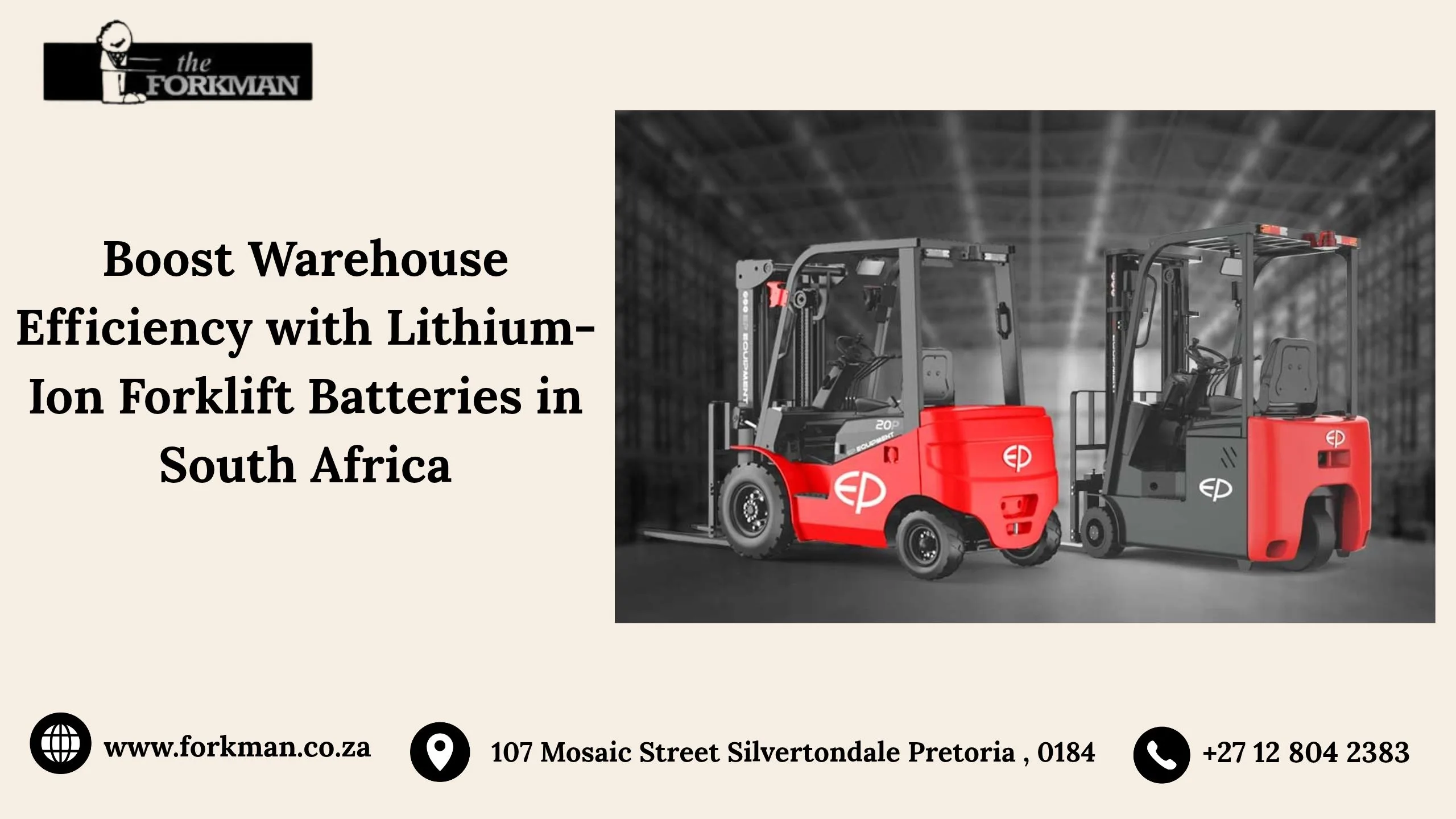
Modern warehouses and industrial businesses need reliable equipment to manage daily material handling tasks. Forklifts play an important role in moving, lifting, and transporting heavy goods. However, their performance depends on having a reliable power source. This is where lithium-ion forklift batteries become a useful solution.
Across South Africa, many businesses are exploring advanced battery technology to improve warehouse operations. Lithium-ion batteries offer several benefits, including faster charging, consistent power, longer service life, and reduced maintenance needs. They are widely used in warehouses, factories, storage facilities, and transportation industries.
Choosing the right lithium-ion forklift battery can help businesses improve productivity and manage their daily activities more effectively.
Table of Contents
- Understanding Lithium-Ion Forklift Batteries
- Benefits of Lithium-Ion Battery Technology
- Improving Warehouse Productivity
- Suitable Applications Across South Africa
- Important Factors When Choosing a Battery
- Battery Safety and Maintenance Tips
- Conclusion
1. Understanding Lithium-Ion Forklift Batteries
A lithium-ion forklift battery is a rechargeable power source designed to operate electric forklifts. It uses advanced lithium-based technology to store and deliver electrical energy. These batteries provide consistent power for different material handling activities.
Unlike traditional lead-acid batteries, lithium-ion batteries do not require regular water refilling. They also support faster charging and opportunity charging. This means operators can recharge the battery during short breaks instead of waiting for a long charging period.
Many modern battery systems also include a Battery Management System (BMS). It monitors important battery conditions, such as temperature, charging levels, and performance. This helps protect the battery during daily operation.
2. Benefits of Lithium-Ion Battery Technology
Lithium-ion batteries offer several advantages for businesses that depend on electric forklifts.
Faster Charging: These batteries generally charge faster than traditional battery options. Operators can use scheduled breaks to recharge the battery. This helps reduce unnecessary equipment downtime.
Longer Battery Life: Lithium-ion technology can support many charging cycles. With proper use, it can provide a longer service life than conventional battery systems.
Low Maintenance: These batteries do not need regular watering. They also require fewer routine maintenance activities. This saves time for warehouse teams.
Consistent Performance: Lithium-ion batteries deliver stable power during operation. This helps forklifts maintain reliable performance throughout their working cycles.
Improved Energy Efficiency: Efficient energy use helps businesses manage their electricity consumption. It also supports more sustainable warehouse operations.
These features make lithium-ion batteries a practical option for many material handling businesses.
3. Improving Warehouse Productivity
Warehouse productivity depends on smooth equipment operation and proper time management. Forklifts are used throughout the day to move pallets, load delivery vehicles, and organise stored products. Battery performance can directly affect these activities.
Lithium-ion forklift batteries help reduce charging interruptions. Operators can recharge them during suitable breaks. This is especially useful for businesses that operate multiple shifts.
Another benefit is consistent power delivery. Forklifts can maintain reliable lifting and moving performance when the battery is properly charged and maintained.
Businesses can also reduce the time spent on battery servicing. Warehouse employees can focus more on important tasks instead of handling regular battery maintenance.
For South African businesses, these advantages can support better workflow management and improve overall warehouse efficiency.
4. Suitable Applications Across South Africa
Different industries across South Africa use forklifts for regular material handling activities. Lithium-ion batteries can support many of these operations.
Warehouses: They help electric forklifts move pallets, organise stock, and transport goods between storage areas.
Manufacturing Facilities: Forklifts can move raw materials, finished products, and production supplies across factory floors.
Distribution Centres: These batteries support frequent material movement and help equipment remain available during busy working hours.
Retail and Wholesale Businesses: Electric forklifts help manage stock, load goods, and organise large storage spaces.
Logistics Operations: Businesses can use lithium-ion-powered forklifts to support loading, unloading, and transportation activities.
Their flexible charging options make them useful for workplaces with regular equipment demands.
5. Important Factors When Choosing a Battery
Choosing a suitable lithium-ion forklift battery helps ensure smooth operation and consistent equipment performance. Businesses should consider their equipment requirements before making a decision.
First, check the forklift manufacturer's battery specifications. The battery voltage, capacity, and dimensions must match the machine. An unsuitable battery may affect equipment performance.
Next, consider the daily working hours. Businesses operating multiple shifts may need a battery with suitable capacity and charging support.
The charger is another important factor. Always choose a compatible charger that follows the battery manufacturer's recommendations.
It is also useful to check the warranty, technical support, and availability of replacement parts. A reliable supplier can help businesses select the right battery for their operations.
6. Battery Safety and Maintenance Tips
Although lithium-ion batteries require less maintenance, proper handling is still important. Businesses should follow the manufacturer's safety instructions.
- Use only a compatible charger for the battery.
- Check the battery regularly for visible damage.
- Keep charging connections clean and in good condition.
- Avoid exposing the battery to extreme temperatures.
- Avoid using faulty charging cables or damaged connectors.
- Follow the recommended charging procedures.
- Train operators to recognise battery warning signals.
The Battery Management System should also be checked according to the manufacturer's guidelines. Proper charging practices and regular inspections help support battery performance and workplace safety.
Conclusion
Lithium-ion forklift batteries are a smart choice for businesses that want better warehouse performance. They offer faster charging, reliable power, and less maintenance. These benefits help reduce downtime and support smooth material handling activities.
For businesses across South Africa, choosing the right battery can improve daily operations. It is important to check battery compatibility, charging requirements, and safety features before making a selection.
The Forkman understands the importance of reliable material handling solutions. Choosing suitable battery technology can help businesses improve productivity and prepare their warehouses for future demands.