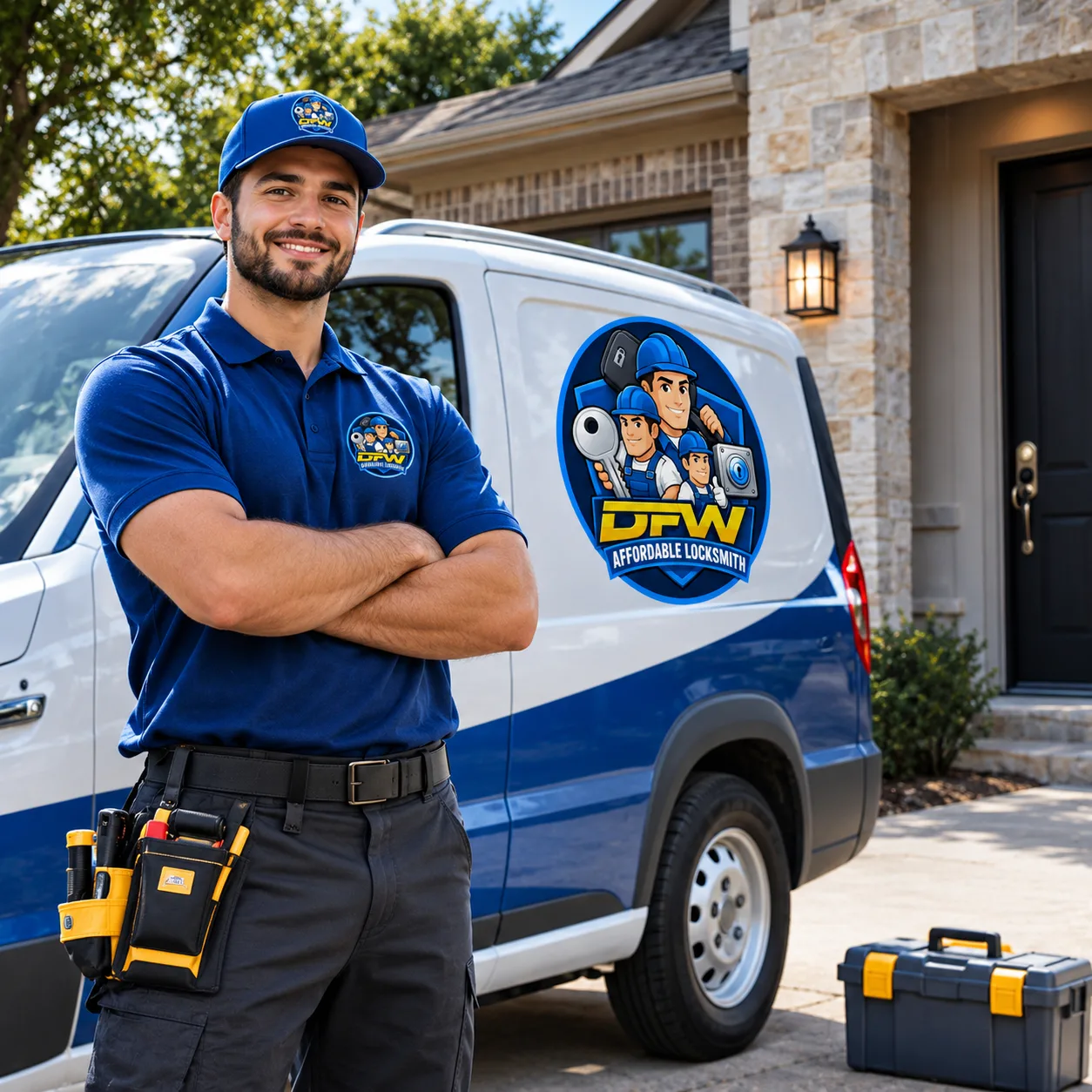
Learn about business locksmith services in DFW, lock options, commercial security costs, access control, and how to choose a qualified locksmith.
Running a business in Dallas-Fort Worth means protecting employees, customers, equipment, and important records. Whether you manage an office, retail shop, warehouse, or commercial building, reliable locks play a major role in daily security. DFW Affordable Locksmith helps businesses address common lock problems, improve entry control, and maintain secure commercial doors. From replacing damaged locks to installing master key systems, the right service can reduce security risks and prevent access problems. But what should business owners look for when choosing a locksmith? Understanding available services, pricing, and local requirements can help you make a practical decision. A well-planned security system protects your property without making daily operations difficult.
Why commercial properties need professional lock services
Commercial buildings face different security challenges than residential properties. Many businesses have several entrances, employee-only areas, storage rooms, and offices containing confidential information. Each area may need a different level of access.
For example, a retail shop may need strong front-door locks and restricted stockroom access. An office may require separate keys for management, staff, and cleaning personnel. Warehouses often need heavy-duty locks that can handle frequent use.
Professional Business locksmith services help property owners manage these requirements. Common services include lock installation, lock repair, rekeying, master key systems, commercial door hardware, and electronic access control.
Why replace every lock when you can rekey existing hardware? Rekeying can be a practical option when employees leave, keys go missing, or a business changes management.
Another important concern is emergency exit safety. The Occupational Safety and Health Administration (OSHA) requires workplace exit doors to remain openable from inside without keys, tools, or special knowledge. Its requirements are explained in OSHA workplace exit route regulations.
Businesses should review their door hardware regularly to identify worn locks, loose handles, damaged frames, and access problems.
Types of commercial locksmith services and security options
Every commercial property has different entry requirements. A small office may need basic mechanical locks, while a large facility may benefit from electronic access control.
Here are common options businesses can consider.
Commercial lock installation
Commercial locks are designed for regular use and different levels of security. They are available in several grades and configurations.
Grade 1 hardware is commonly selected for demanding commercial applications. Grade 2 can suit many standard commercial doors, while Grade 3 is generally intended for lighter-duty use.
The right choice depends on door construction, traffic levels, security needs, and the manufacturer's specifications.
Master key systems
A master key system allows different employees to access specific areas with assigned keys. Managers can carry a master key that opens several authorised doors.
For example, a building manager may need access to every office, while individual employees only need access to their own departments.
This arrangement reduces the number of keys a business needs to distribute.
Electronic access control
Electronic systems use keycards, PIN codes, mobile credentials, or other authorised methods to control entry.
They can help businesses manage employee access and review entry records, depending on the system.
These systems may suit offices, medical facilities, warehouses, and buildings with restricted areas.
High-security locks
High-security locks provide additional protection against certain picking, drilling, and unauthorised key duplication methods.
They can be useful for storage rooms, financial offices, server rooms, and other sensitive areas.
Panic bars and exit hardware
Panic bars allow occupants to open designated exit doors by pressing a horizontal bar. They are commonly used in commercial buildings with specific emergency exit requirements.
OSHA states that permitted exit doors must remain accessible from inside without keys or special knowledge. Hardware selection must follow the applicable building and fire safety requirements.
Commercial locksmith options compared
The following table provides a basic comparison of common commercial security options.
| Security Option | Typical Cost (USD) | Best For | Maintenance |
| Standard commercial lock | 75–200 | Small offices | Low |
| High-security lock | 150–400 | Restricted areas | Low |
| Master key system | 150–600+ | Multiple departments | Moderate |
| Electronic access control | 500–2,500+ | Offices and facilities | Moderate to High |
| Commercial panic bar | 150–500+ | Emergency exit doors | Moderate |
These are broad planning estimates, not verified DFW market averages. Actual prices depend on hardware, labour, door condition, installation requirements, and system complexity.
How a commercial locksmith service works
A professional locksmith should follow a clear process before making changes to your property's security.
1. Initial property assessment
The locksmith reviews the building's entrances, existing locks, door condition, and security concerns. This helps identify which areas need repair or improved access control.
2. Identifying the right solution
After reviewing the property, the locksmith explains suitable options. These may include rekeying, replacing locks, installing commercial-grade hardware, or adding electronic access control.
3. Providing a cost estimate
You should receive a clear estimate covering labour, hardware, installation, and any additional charges. Ask about replacement parts and warranty coverage before approving the work.
4. Installation or repair
The technician completes the approved work. This may involve fitting new locks, adjusting door hardware, programming access credentials, or repairing damaged components.
5. Testing and final inspection
The locksmith tests each lock and confirms that authorised users can access the required areas. Emergency exits should remain compliant with applicable safety rules.
6. Explaining maintenance
Before leaving, the technician should explain basic maintenance and provide information about replacement keys, access credentials, and future servicing.
A simple example is a business that recently changed its management team. Instead of replacing every commercial lock, the owner may choose to rekey existing hardware and issue new keys to authorised employees.
This approach can reduce unnecessary hardware replacement while restoring control over who has access.
How much do business locksmith services cost in DFW?
Commercial locksmith pricing depends on the type of service, the number of doors, hardware quality, and the complexity of the installation.
A basic lock replacement may cost less than installing a complete access control system. Emergency appointments and work outside normal business hours may increase the final bill.
Here are some factors that affect the price:
- Type of lock: High-security and electronic locks usually cost more than standard mechanical hardware.
- Number of doors: Multiple entrances require more hardware and installation time.
- Labour requirements: Difficult installations, damaged frames, and older doors may require additional work.
- Access control features: Keycards, PIN systems, software, and credential management affect the total investment.
- Emergency service: After-hours appointments may include additional charges.
For example, a small office with three doors may only need lock replacement and rekeying. A warehouse with several restricted areas may require master keying, heavy-duty hardware, and electronic entry controls.
Before hiring a provider, request an itemised quote. It should explain the hardware cost, labour, service charges, and any additional work.
How to choose a commercial locksmith in Dallas-Fort Worth
Choosing a locksmith involves more than comparing prices. You need a provider who understands commercial hardware, business access requirements, and relevant Texas regulations.
Start by checking the company's licence. Under Texas Occupations Code Chapter 1702, locksmith companies must hold the required company licence, and individuals performing regulated locksmith work must hold the appropriate individual licence.
The Texas Department of Public Safety regulates this profession. You can review the requirements through its official private security licensing information.
Before hiring a provider, consider these points:
- Verify licensing: Check the company's and technician's applicable credentials.
- Review commercial experience: Ask about previous work involving offices, warehouses, retail stores, and commercial buildings.
- Request written estimates: Compare hardware, labour, and additional charges.
- Ask about warranties: Understand the coverage for installation and replacement parts.
- Check service availability: Confirm whether the company handles scheduled work and urgent commercial lock problems.
- Discuss safety requirements: Ask how the proposed hardware supports applicable fire and emergency exit rules.
Local providers such as DFW Affordable Locksmith can be considered when comparing commercial locksmith options across the Dallas-Fort Worth area.
A specialist who regularly handles commercial lock systems may understand the differences between office hardware, restricted-entry doors, and warehouse security needs. This experience can help avoid unsuitable hardware choices.
Frequently Asked Questions
1. What do business locksmith services in DFW include?
Commercial locksmith work can include lock installation, lock replacement, rekeying, master key systems, electronic access control, panic bar installation, and commercial door hardware repair. The exact service depends on the property's security requirements, the number of entrances, and the type of building.
2. How much does a commercial locksmith cost in Dallas-Fort Worth?
Costs vary by service and hardware. A basic commercial lock replacement may cost around 75–200, while electronic access control installations can cost several hundred to several thousand dollars. Request a written estimate based on your property's actual requirements.
3. Does a business need to replace locks after an employee leaves?
Not always. Rekeying may be sufficient if the existing locks are in good condition. It changes which keys operate the locks without requiring complete hardware replacement. Businesses should review access permissions whenever employees leave.
4. Are locksmith companies required to have a licence in Texas?
Yes. Texas regulates locksmith companies under Occupations Code Chapter 1702. Companies must hold the required licence, and individuals performing regulated locksmith work must have the appropriate individual licence. You can verify requirements through the Texas Department of Public Safety.
5. What is a master key system for commercial buildings?
A master key system allows different employees to access specific doors using assigned keys. A manager may hold a master key that opens several authorised areas, while individual employees receive keys with more limited access.