
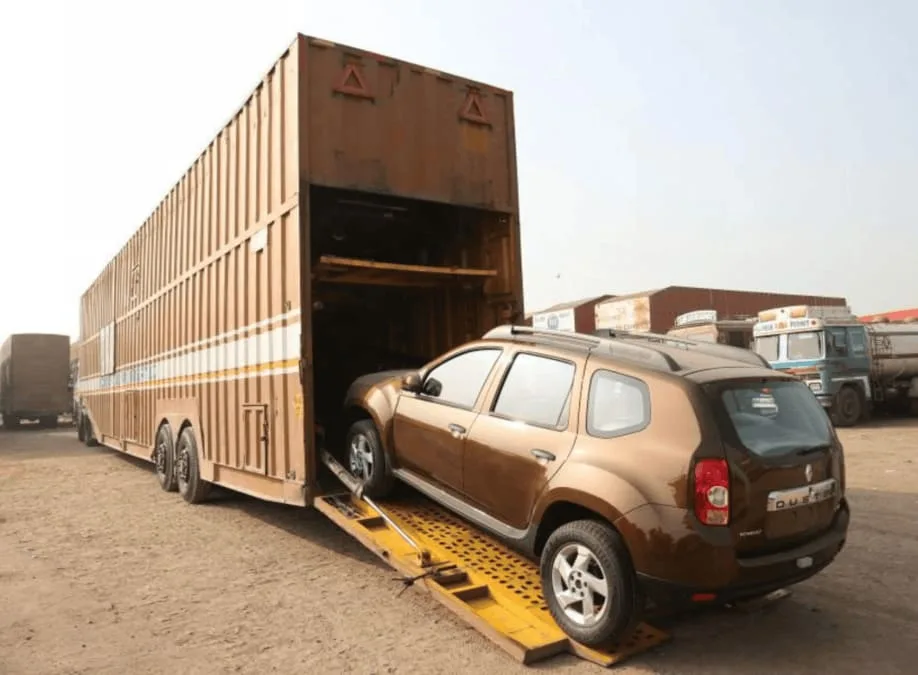
Transporting an electric vehicle over a long distance requires a different level of preparation compared to moving a conventional petrol or diesel car. EVs have high-voltage battery systems, specialized charging components, regenerative braking systems and specific handling requirements. When multiple vehicles share the same carrier, proper preparation becomes even more important because the available space, loading sequence and transit conditions must be considered.
For owners arranging packers and movers in Pune, understanding these requirements can help prevent avoidable delays and reduce the risk of transportation-related complications. A little preparation before handing over the vehicle can make the entire process more organized.
Why Shared Carrier Transit Needs Extra Attention for EVs
A shared car carrier transports multiple vehicles on the same truck or trailer. This arrangement can be economical, but every vehicle must be positioned securely without interfering with the others.
Electric vehicles can have different dimensions, ground clearance and weight distribution because of their battery packs. Some models are also heavier than similarly sized petrol or diesel cars. These differences matter during loading, unloading and securing.
Before confirming the booking, owners should share the following details with the transporter:
- EV make, model and manufacturing year
- Vehicle dimensions and approximate weight
- Ground clearance and any modified components
- Battery condition and any warning indicators
- Special loading or handling instructions mentioned by the manufacturer
This information allows the carrier operator to assess whether the vehicle can be accommodated safely alongside other cars.
EV Preparation Before Handing It Over
Preparing an electric car involves more than cleaning its exterior and removing personal belongings. The following steps help make the vehicle ready for long-distance transportation.
1. Check the Battery and Charging Level
Follow the vehicle manufacturer's instructions regarding the recommended battery charge level for transportation. Avoid assuming that every EV should be transported with a completely full or nearly empty battery.
A sufficient charge may be useful if the vehicle needs to be moved during loading or unloading. However, the correct level depends on the manufacturer's guidance and the expected transit duration.
Also check for battery-related warning messages before handing over the car. If the vehicle has an existing battery fault, inform the transporter rather than leaving it undocumented.
2. Disconnect Charging Equipment
Remove portable charging cables, adapters and other accessories from the charging compartment unless they are specifically required to travel with the vehicle. Store them separately and securely.
Check that the charging port cover closes properly. If the manufacturer provides specific instructions for preparing the charging system before transportation, follow those instructions.
3. Secure Loose Accessories
Remove detachable items such as phone holders, dashboard accessories, charging adapters and loose boot organisers. Items left inside the cabin may shift during transit.
Fold or secure movable components where the manufacturer's instructions permit it. Keep the vehicle's keys and essential documents separately instead of leaving them inside the car.
Loading and Securing an EV on a Shared Carrier
The loading process deserves particular attention because EVs may require specific handling procedures.
| Area | What the transporter should consider |
| Loading method | Use suitable ramps and equipment compatible with the vehicle |
| Ground clearance | Prevent the underbody and battery enclosure from contacting the ramp |
| Securing points | Use manufacturer-approved tie-down points |
| Tyres | Ensure the vehicle is properly positioned and secured |
| Battery protection | Avoid pressure or impact around the battery enclosure |
One important precaution is to avoid using unsuitable lifting or securing points. The battery pack is generally positioned beneath the vehicle, so careless handling around the underbody can create serious problems.
Owners should also confirm whether the transporter has experience handling electric cars. A company familiar with conventional vehicles may not automatically understand the specific requirements of every EV model.
Documents and Condition Inspection Before Transit
Before the vehicle is loaded, conduct a joint inspection with the transportation representative. Record existing scratches, dents, wheel damage and other visible defects.
Take clear photographs of the exterior, interior, wheels, windscreen and underbody wherever safely accessible. Record the odometer reading and battery charge level as well.
Keep these details in the vehicle handover record:
- Vehicle registration number and model details.
- Existing exterior and interior damage.
- Battery charge level and visible warning indicators.
- Accessories handed over with the vehicle.
- Pickup date and transporter details.
These records provide a useful reference when checking the vehicle at the destination. They also make it easier to raise a concern if the delivered vehicle shows damage that was not present during pickup.
What to Check After Delivery
Once the EV reaches its destination, inspect it before signing the final delivery confirmation.
Start with a visual comparison against the pickup photographs. Check the bumpers, doors, roof, wheels, glass and visible underbody areas. Then check the dashboard for warning messages and confirm that the charging port, charging cable and other accessories are accounted for.
If you notice unusual battery warnings, charging problems or physical damage, document them immediately and contact the transporter. Avoid ignoring a warning simply because the vehicle appears to drive normally.
Conclusion
Long-distance EV transportation through a shared carrier requires coordination between the vehicle owner and the transport operator. Battery preparation, accurate vehicle details, suitable loading equipment and proper condition documentation all contribute to a safer handover.
When arranging car transport in Pune, choose a transporter who understands EV-specific handling requirements instead of evaluating the service on price alone. Proper preparation before pickup and a careful inspection after delivery can help make distant transit considerably more predictable.