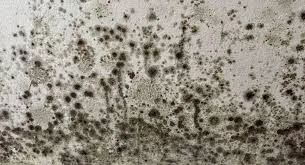
Ceiling mould is not just a cosmetic issue. Left untreated, it can pose serious health risks, damage your property, and lead to long-term structural problems. Black spots, persistent damp patches, and musty odours are clear warning signs that require a permanent and effective solution.
At Disaster Care Capital, we understand how important a clean, mould-free home is for your health and peace of mind.
What Causes Mould on Ceilings?
Ceiling mould typically develops due to excess moisture combined with poor airflow. The most common causes include:
- Leaking roofs or plumbing
- Water leaks create damp environments where mould spores thrive.
- Condensation build-up
- Often caused by everyday activities in kitchens and bathrooms.
- Insufficient ventilation
- Trapped moisture and stale air encourage fungal growth.
- External weather conditions
- Heavy rainfall can allow water to penetrate walls and ceilings.
Step-by-Step Guide: How to Remove Mould from a Ceiling
1. Identify and Fix the Source of Moisture
Before cleaning, it’s crucial to eliminate the underlying cause.
Pre-cleaning checklist:
- Inspect the roof for leaks, condensation, or plumbing faults
- Use a moisture meter to detect hidden damp areas
- Improve airflow with extractor fans or a dehumidifier
2. Natural Mould Removal Using Vinegar
Vinegar is a safe, eco-friendly option that works well on light to moderate mould.
How to use vinegar on ceiling mould:
- Mix equal parts vinegar and water in a spray bottle
- Spray directly onto the affected area
- Leave for around one hour
- Gently scrub with a soft sponge or brush
- Wipe clean with a damp cloth and allow the ceiling to dry
3. Heavy-Duty Mould Treatment Using Bleach
For stubborn mould on non-porous surfaces, bleach can be effective when used correctly.
Steps:
- Mix 1 part bleach with 3 parts water
- Wear gloves and protective eyewear
- Spray evenly over the mould
- Leave for 15–20 minutes
- Scrub, rinse thoroughly, and allow to dry
⚠ Important: Never mix bleach with other chemicals and always ensure proper ventilation.
4. Baking Soda: A Gentle Natural Alternative
Baking soda is a mild antifungal that also helps control moisture.
How to apply:
- Mix 1 tablespoon of baking soda with water to form a paste
- Apply to the mould-affected area
- Leave for 15 minutes
- Wipe clean with a soft cloth
How to Prevent Mould from Coming Back
- Increase ventilation by opening windows and using extractor fans
- Avoid drying clothes indoors
- Keep indoor humidity below 50% with a dehumidifier
- Repair leaks immediately
- Clean ceilings regularly using anti-mould products or vinegar solutions
When Should You Call a Professional?
It’s time to seek expert help if:
- Mould covers an area larger than 1m²
- Damp problems persist despite repeated cleaning
- Anyone in the household has asthma, allergies, or breathing difficulties
📞 Contact Disaster Care Capital for expert advice on removing black mould safely.
Our Professional Ceiling Mould Removal Process
At Disaster Care Capital, we provide a complete mould remediation service, including:
- Comprehensive mould and moisture inspections
- Advanced leak detection and moisture control
- Safe, eco-friendly mould removal
- Air filtration to remove airborne spores
- Anti-mould treatments to prevent regrowth
- Structural repairs to ceilings and walls
- Odour elimination for musty smells
- Certified, fully trained technicians
- 24/7 emergency response services
Need Professional Mould Removal?
If you’re dealing with persistent or widespread mould, our specialists are here to help.
Final Thoughts
If you’re wondering how to remove mould from a ceiling, acting quickly is essential. While natural solutions like vinegar and baking soda can help, severe or recurring mould requires professional intervention to prevent further damage.
Disaster Care Capital is committed to keeping homes and flats clean, safe, and mould-free.
📞 Get professional help today — contact us now for expert mould removal solutions.