
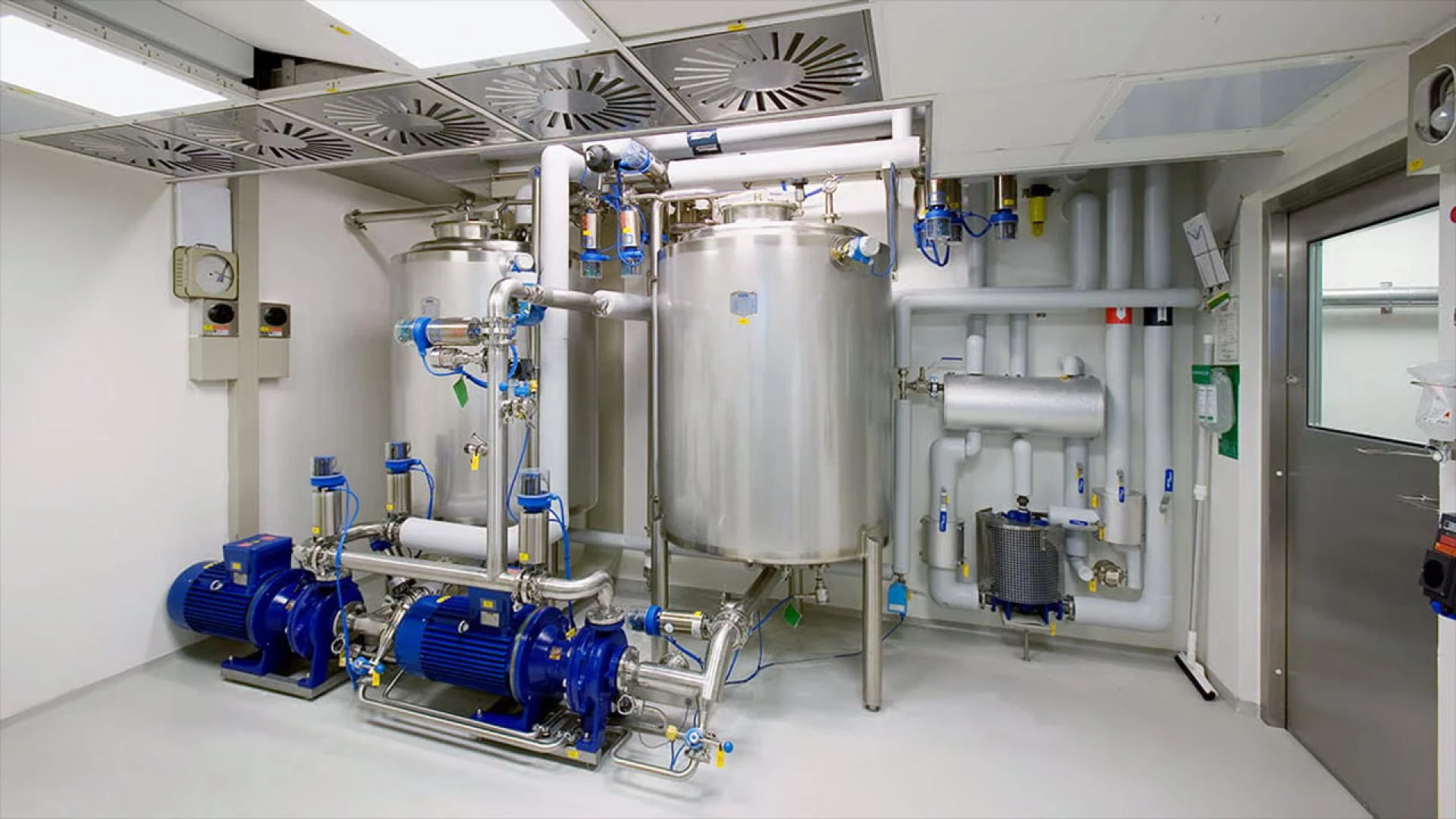
A CIP system (Clean-in-Place) is an essential process used in industries like food and beverage, pharmaceuticals, and dairy to ensure equipment is cleaned efficiently without disassembly. This automated cleaning method helps maintain hygiene, prevent contamination, and comply with strict industry regulations. A CIP system uses a sequence of rinses, detergents, and sanitizers to remove residues, bacteria, and other contaminants from internal surfaces of pipes, tanks, and processing equipment. By eliminating manual cleaning, it reduces the risk of human error and enhances consistency in sanitation procedures.
The key advantage of a CIP system is its ability to clean equipment without interrupting production for long periods. Traditional cleaning methods require manual disassembly, which is time-consuming and labor-intensive. In contrast, a CIP system automates the cleaning process, reducing downtime and ensuring consistent results. It also minimizes water and chemical usage, making it a cost-effective and environmentally friendly solution for large-scale operations. Companies using CIP systems benefit from increased productivity, reduced labor costs, and improved workplace safety since employees are not exposed to harsh cleaning chemicals.
A well-designed CIP system follows a structured cleaning cycle, including pre-rinse, detergent wash, intermediate rinse, and final sanitization. The parameters such as temperature, flow rate, and cleaning solution concentration are precisely controlled to ensure thorough cleaning while protecting equipment from damage. Industries such as breweries, dairy processing, and pharmaceutical manufacturing rely on CIP systems to maintain product integrity and extend the lifespan of machinery. Advanced CIP systems also feature programmable controls, allowing manufacturers to customize cleaning cycles based on specific equipment and residue levels.
Regular maintenance and monitoring of a CIP system are crucial to ensuring optimal performance. Proper calibration, filter checks, and periodic validation help detect issues early and prevent contamination risks. Sensors and automated monitoring systems can track cleaning efficiency in real-time, ensuring compliance with industry standards. As technology advances, modern CIP systems are becoming more efficient, integrating remote monitoring and data analysis for improved performance. Investing in a high-quality CIP system ensures consistent sanitation, operational efficiency, and compliance with hygiene standards across various industries, making it an essential component of modern manufacturing and food processing.