
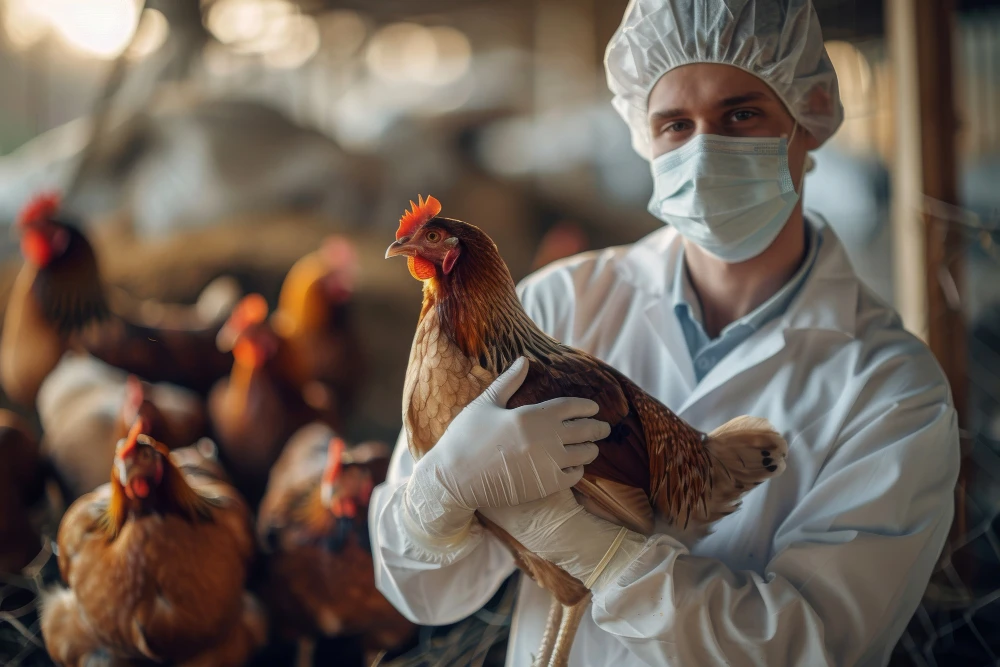
Poultry birds are extremely sensitive to their environment. Small changes in temperature, humidity, or air quality can affect growth, feed intake, and immunity. In modern poultry production, maintaining a stable and comfortable environment is not just about animal welfare it directly impacts productivity and profitability. Heat stress, poor ventilation, and humidity imbalance are among the leading causes of mortality and poor performance. That’s why climate management has become a central feature of advanced poultry farming solutions, helping farmers create ideal living conditions for birds throughout the year.
Environmental Risks in Poultry Housing
Poultry houses must be carefully managed to avoid environmental stress.
Heat Stress
Birds do not have sweat glands, making them highly vulnerable to high temperatures. Heat stress leads to dehydration, lower feed consumption, slower growth, and even death.
Cold Stress
Inadequate heating during early life stages forces birds to use energy for warmth instead of growth, weakening immunity.
Poor Ventilation
Without proper airflow, ammonia from litter builds up, causing respiratory problems and reduced performance.
Humidity Imbalance
High humidity promotes bacteria and mold, while low humidity increases dust, which harms respiratory health.
Climate-control systems are designed to solve these challenges and keep conditions stable.
Key Components of Poultry Climate-Control Systems
Modern poultry houses rely on integrated systems to manage environmental conditions effectively.
Ventilation Systems
Tunnel and cross-ventilation systems, along with exhaust fans, remove stale air and supply fresh oxygen. This reduces ammonia levels and improves bird comfort.
Cooling Systems
Evaporative cooling pads and fogging systems help lower house temperatures during hot weather. These systems are especially important in warm climates.
Heating Systems
Brooders and radiant heaters provide warmth for chicks during early growth stages, ensuring proper development.
Environmental Sensors
Sensors monitor temperature, humidity, CO₂, and ammonia levels in real time, allowing quick adjustments.
Automated Control Panels
Centralized controllers manage all systems automatically, reducing manual labor and human error.
These technologies are a core part of advanced poultry farming solutions, ensuring consistent environmental management.
Impact on Bird Health and Welfare
A stable environment reduces stress and supports stronger immunity. Birds raised in optimal conditions experience fewer respiratory issues and require less medication. Proper airflow and temperature control prevent disease spread and improve overall welfare. Healthier birds grow faster and use feed more efficiently, making climate control an important part of integrated poultry solutions that prioritize both productivity and animal care.
Productivity and Economic Benefits
Climate-controlled housing offers measurable financial advantages:
- Improved feed conversion ratios
- Lower mortality rates
- Faster weight gain
- Reduced veterinary costs
- Consistent production cycles throughout the year
By protecting birds from environmental stress, farmers achieve more predictable and profitable results.
Link Between Farm Climate Control and Processing Efficiency
Healthy birds raised in well-managed environments produce better-quality meat. Reduced stress before processing leads to improved carcass yield and meat texture. Consistent farm performance also ensures reliable supply to processing facilities. This demonstrates how farm-level climate management supports efficient poultry processing solutions and strengthens the entire production chain.
Sustainability Advantages
Modern climate systems are designed to use energy efficiently. Smart controls prevent overcooling or overheating, reducing electricity consumption. Lower mortality rates mean fewer wasted resources, supporting more sustainable poultry production.
Future Trends in Poultry Climate Management
Technology continues to evolve. AI-driven systems will predict environmental changes and adjust automatically. IoT devices will allow remote monitoring of multiple farms. Integration with weather forecasting will further improve efficiency. Solar-powered ventilation and cooling systems are also gaining popularity as farms move toward renewable energy.
Conclusion
Climate control is no longer optional in poultry farming it is essential. Proper environmental management improves bird health, boosts productivity, and enhances profitability. Advanced poultry farming solutions, combined with smart monitoring and integrated poultry solutions, ensure farms operate efficiently while meeting growing demand. Farmers who invest in climate-control technology today are building stronger, more sustainable operations for the future.